Land Rover Discovery 2026 review | Hugely spacious and supremely talented family SUV
Land Rover Discovery cars for sale
4.0
Expert review
Pros
Enormously roomy and practical seven-seat cabin
Tremendous to drive off road
Comfortable to travel in
Cons
Poor reputation for reliability
Not as exciting to drive as a BMW X5
Less distinctive-looking than earlier generations

The CarGurus verdict
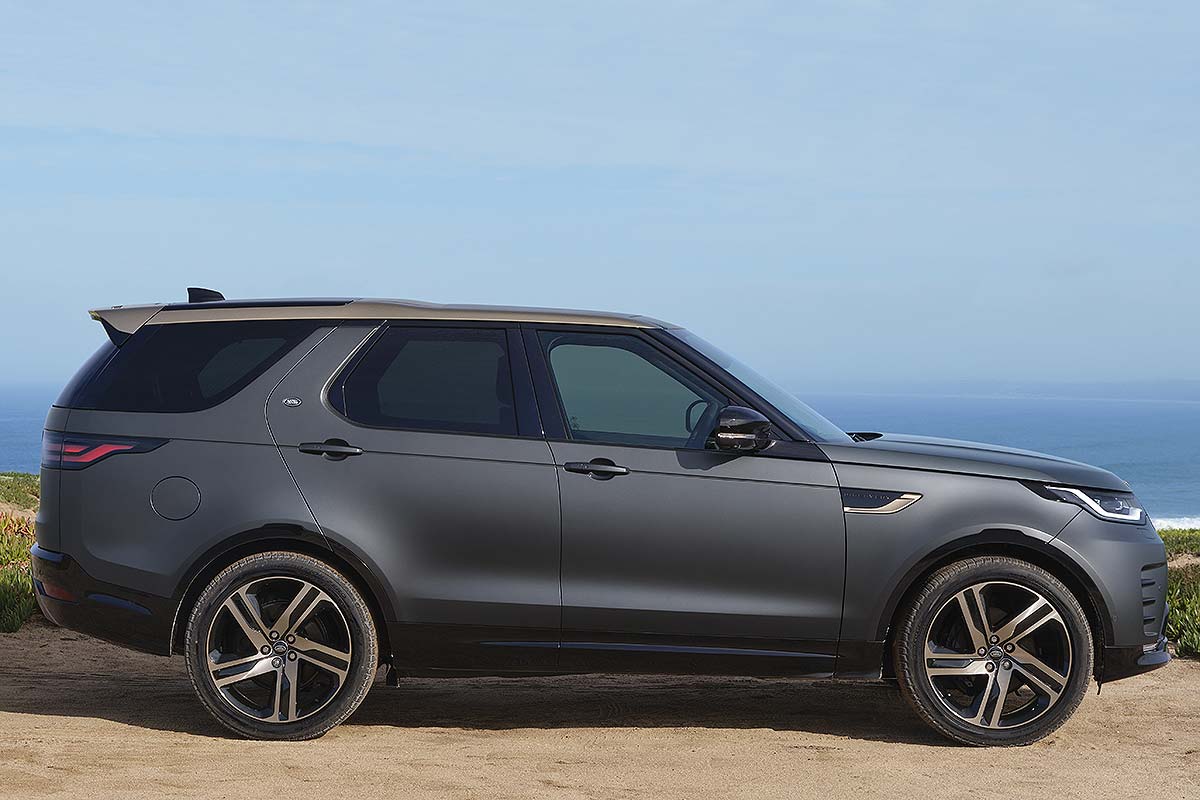
The Land Rover Discovery is a world-class off-roader that has morphed into a world-class luxury family car. It is unashamedly more rugged than alternatives such as the Audi Q7 and the Volvo XC90, both of which have a more on-road bias. Yet the Discovery is still hugely satisfying to drive, and that go-anywhere character defines what buyers love about it, regardless of whether they make use of it. It’s as practical as a posh SUV can be, and about as luxurious.
The big issue is its poor reliability, which might be enough to put off some buyers, but if you’re willing to take the risk then don’t hesitate. Class-leading practicality and off-road prowess, plus its general charm, mean you won't feel short-changed with a Discovery. It’s one of our favourite seven-seat SUVs.
What is the Land Rover Discovery?
The Land Rover Discovery is a household name. It has been around since 1989 and is now in its fifth generation, commonly known as the Discovery 5. This version arrived in 2017 and brought a more luxurious, refined and upmarket feel than earlier versions of the Discovery – or ‘Disco’ in enthusiast-speak.
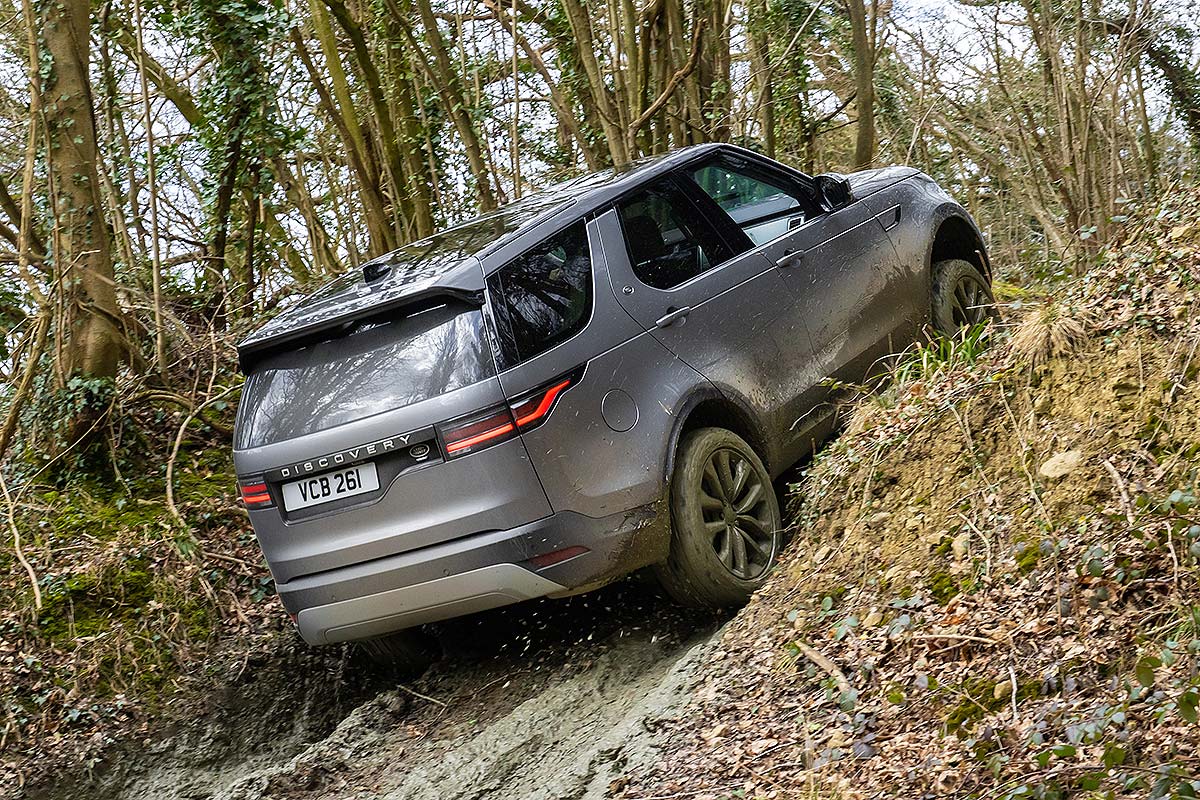
Most people who buy a Land Rover Discovery are probably more concerned with the school run than crossing muddy fields. Buyers of large SUVs usually want them to work as family cars first. Nonetheless, the Discovery still fulfills its original brief of being one of the best off-roaders in the world. Select the right mode from Land Rover’s Terrain Response system, and the Discovery can tackle deep ruts, muddy tracks and serious wading – all without spilling your Fairtrade coconut latte all over the leather seats.
That ability comes from proper four-wheel drive, a low-range gearbox, height-adjustable air suspension and serious off-road geometry. It boasts up to 285mm of ground clearance in off-road mode and a maximum wading depth of 900mm, so this remains a genuinely capable 4x4, rather than a soft-roader with a Mountain Warehouse makeover.
The Discovery sits between the smaller Discovery Sport and the more rugged Defender in Land Rover’s range. For many buyers, that makes it the sweet spot: a luxurious seven-seat daily SUV that can venture further off-road than the majority of its rivals.
How practical is it?
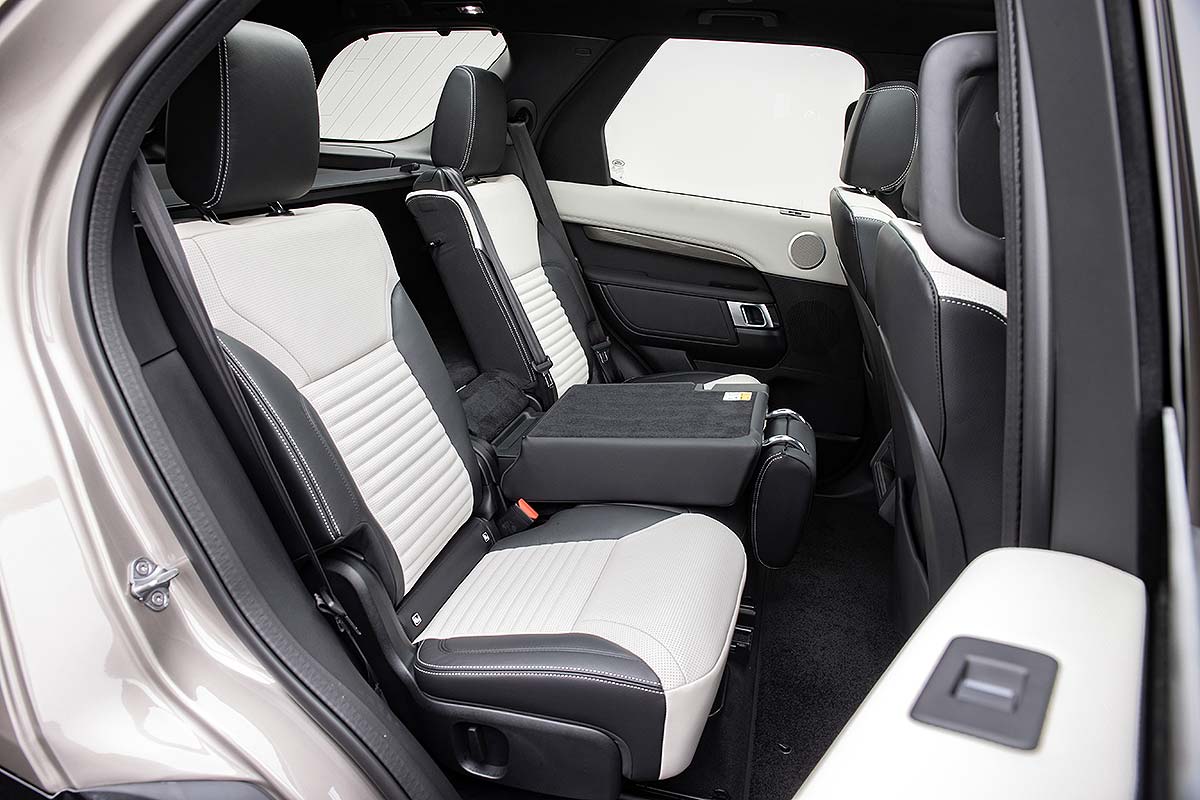
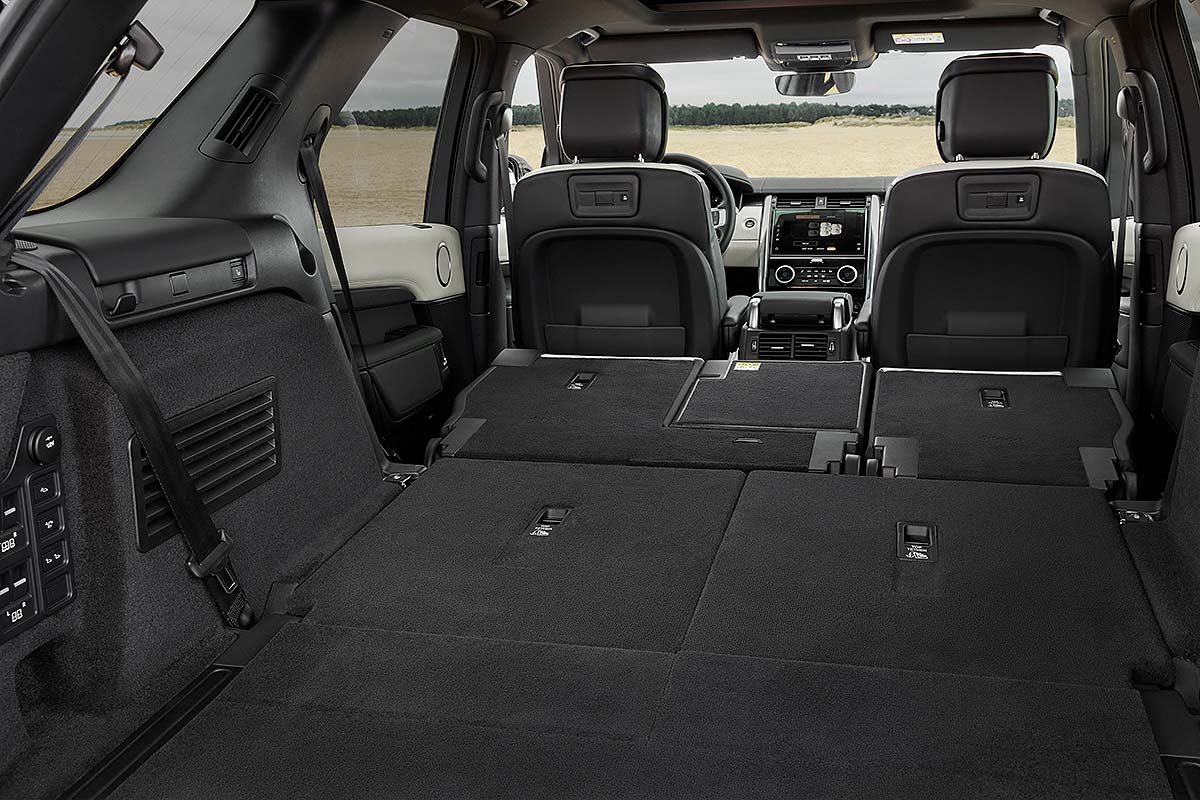
The Discovery is absolutely huge inside. You won’t find many more spacious seven-seat SUVs short of something van-based or considerably more expensive (a Mercedes-Benz GLS or BMW X7, for instance). Even adults can travel in the sixth and seventh seats more comfortably than in many rival seven-seaters, while passengers in the middle row get plenty of space to stretch out.
Boot space is impressive, too. Even with the rearmost seats upright, you get 258 litres of space, which is enough for a light buggy or a useful amount of shopping. Fold them down and you get 1,137 litres; do the same with the three middle seats and you end up with 2,391 litres of luggage capacity. In short, it’s massive.
The middle-row seats are split 60:40 and manually slide, as well as fold, in the same ratio. The middle seats also recline and fold electrically, but they do so irritatingly slowly – especially if you’re waiting to get in when it’s raining – and if the slider mechanism isn’t completely engaged in the right position, you’ll be left wondering why the seat isn’t doing what it’s told.
At the back, the Discovery has a large tailgate with a useful inner load platform, which can act as a handy perch for changing muddy boots, sorting dogs or pretending you’re about to head across a grouse moor rather than into Waitrose. The offset rear number plate is a divisive styling feature, but at least the boot itself is enormously useful.
Family-friendly touches include plenty of storage, a high seating position, excellent visibility and multiple Isofix mounting points. Factor in the Discovery’s 3,500kg towing capacity and you’ll, er, discover why it’s one of the most versatile family SUVs you can buy.
What's it like to drive?
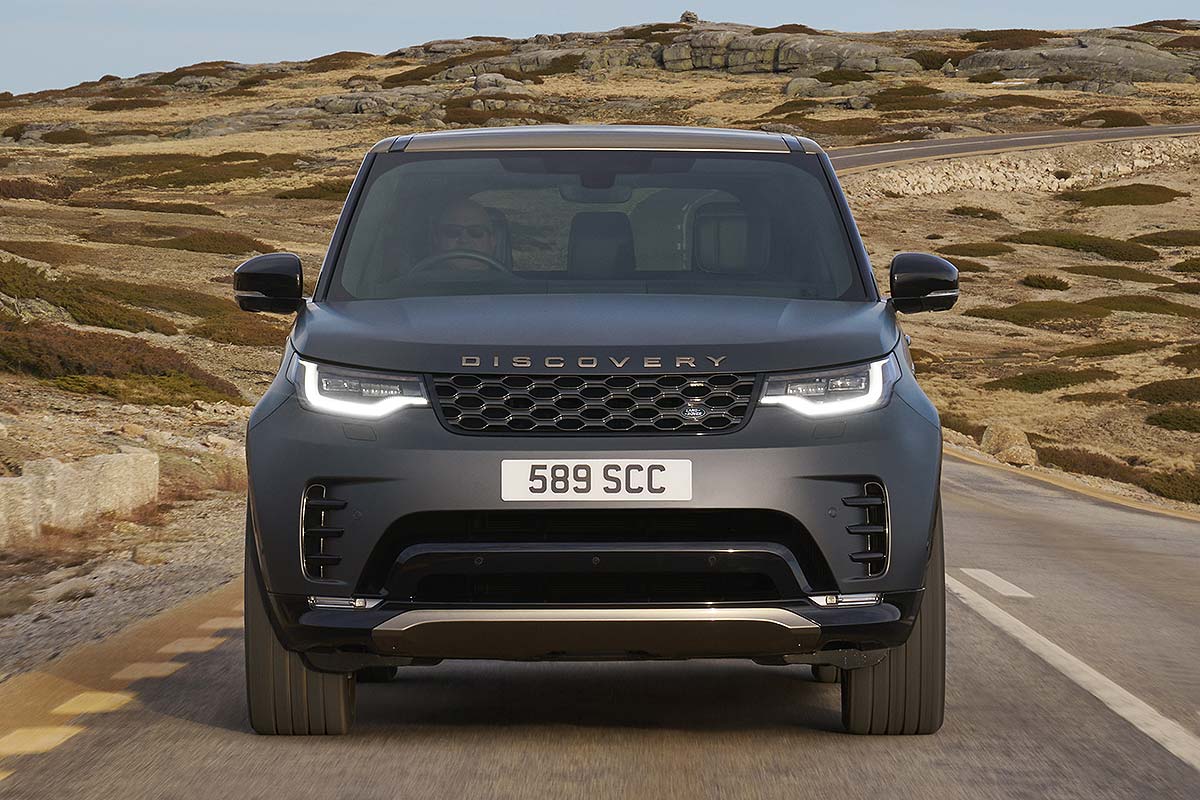
The Discovery is comfortable and easy to drive. Early cars were available with a mix of four-cylinder petrol and diesel engines, plus a smoother and stronger 3.0-litre six-cylinder diesel. The latter is worth seeking out among used examples, because it suits the Discovery’s size and character far better than the smaller engines.
A supercharged 3.0-litre six-cylinder petrol model was also available, but in a car this heavy the additional thirst is hard to justify unless you really want petrol power. The Discovery isn’t an SUV that encourages you to drive quickly. It steers with satisfying fluidity, but there’s plenty of body-roll and you’re always aware of its size. The ride is very comfortable, whether you’re on a potholed urban street or cruising on the motorway, but this certainly isn’t an SUV that will thrill you like a Porsche Cayenne can.
The Discovery underwent a facelift in 2021, introducing an updated look and revised engines. Petrol and diesel mild-hybrid options were offered, including the excellent D300 diesel. We’ve tried the D300 and it’s a lovely engine that really suits the Discovery’s easygoing nature, with a healthy portion of low-end torque for strong performance. It works nicely with the smooth-shifting automatic transmission, too.
Today, the Discovery range is limited to the D350 mild-hybrid diesel: a 3.0-litre six-cylinder engine that produces 345bhp and 700Nm of torque. It delivers strong performance, with a 0-62mph time of 6.3 seconds and a top speed of 130mph. Every current Discovery has four-wheel drive and an automatic transmission for effortless performance both on and off the road.
Technology, equipment & infotainment
Early Discovery models used Land Rover’s older 10-inch touchscreen infotainment system, which was not the best in class. The graphics looked dated, some menus were fiddly to navigate and the screen could be slow to respond. It did include useful features such as navigation, online functionality and USB ports, but the lack of Apple CarPlay and Android Auto connectivity on early cars now feels like a significant omission.
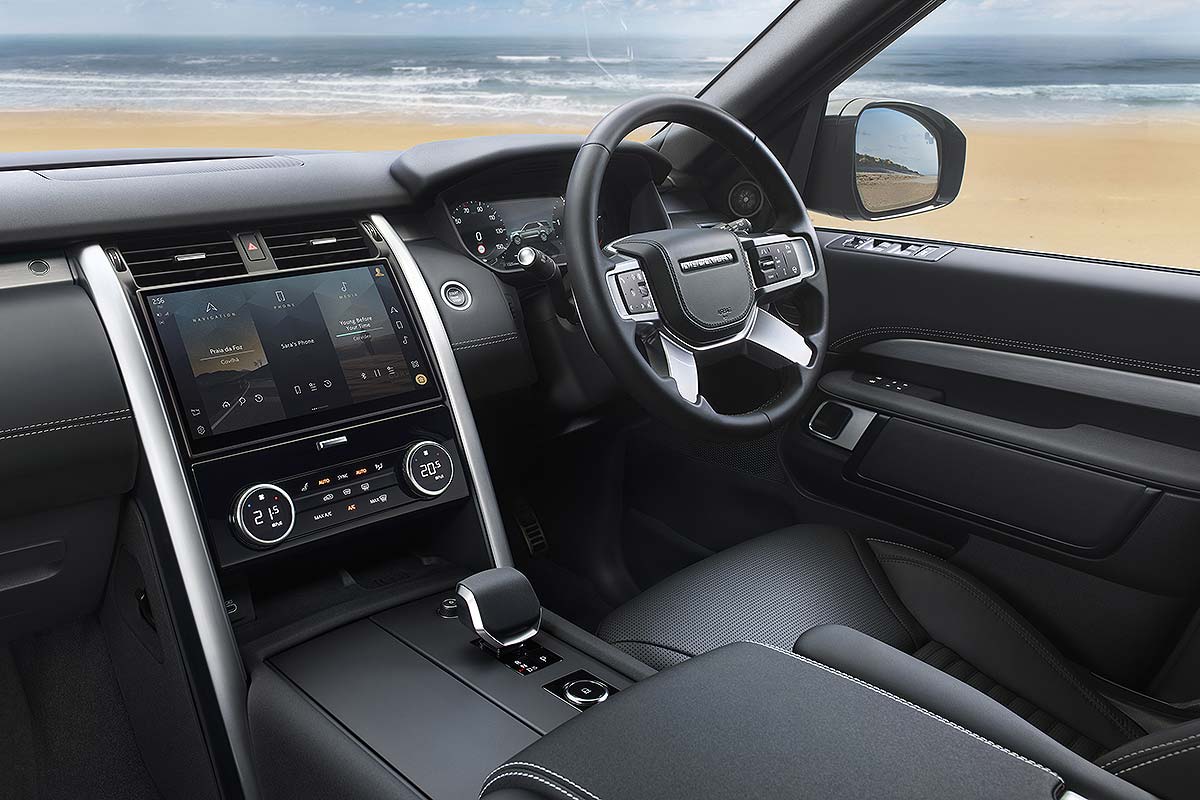
Things improved considerably after the 2021 facelift, when the Discovery gained Jaguar Land Rover’s Pivi Pro infotainment system. This features an 11.4-inch curved glass display with sharper graphics and a more responsive touchscreen. It’s one of the better touchscreens in this type of SUV, although physical rotary controls would still be easier to use on the move.
Cabin quality is strong throughout. The Discovery has an upright, recognisably Land Rover dashboard, a high driving position and a mix of gloss, metal and leather finishes that help it feel like a proper luxury SUV rather than just a rugged family bus. Early cars had Land Rover’s rising rotary gear selector, while later versions switched to a more conventional lever.
Land Rover Discovery running costs
Predictably, the Discovery is not a cheap SUV to buy or run, but its costs are broadly in line with other premium seven-seaters such as the Audi Q7 and Volvo XC90. It also looks like reasonable value compared with larger luxury SUVs such as the Mercedes-Benz GLS and BMW X7, especially given its space, towing ability and off-road prowess.
Diesel models make the most sense for most buyers. Earlier four-cylinder diesels are likely to be the cheapest to buy and run, but the six-cylinder diesels suit the Discovery far better and are more desirable on the used market. Current D350 mild-hybrid models officially return up to 35mpg, which is decent for a car of this size.
Petrol versions are rarer and more expensive to fuel, particularly the supercharged V6, which is likely to return significantly lower real-world economy. Unless you specifically want petrol power, diesel is the most sensible choice in a Discovery, especially if you tow regularly or cover long distances on the motorways.
Servicing and maintenance costs can be substantial. Land Rover parts and labour are not cheap, and buyers should budget accordingly, particularly once the car is out of warranty. Main dealer service plans may help spread the cost, while independent Land Rover specialists can often reduce bills on older examples.
Insurance groups are typically high, but that’s also true of rivals such as the Audi Q7 and Volvo XC90. Overall, the Discovery is expensive to own, but not unusually so for a full-size premium SUV with this much space, capability and complexity.
Land Rover Discovery reliability
The Land Rover Discovery doesn’t have a stellar reputation for reliability. In the latest What Car? Reliability Survey, Land Rover finished 26th out of 30 manufacturers, while the Discovery itself finished 20th out of 23 cars in the large SUV category. That doesn’t mean ownership will be a disaster, but it does mean that you should go in with your eyes open.
The Discovery’s complexity is part of the problem. It has a lot of electronic systems, air suspension, advanced four-wheel-drive hardware and luxury equipment, all of which can become expensive if faults develop. Reported issues often relate to electrical systems, software, suspension components and warning lights, rather than one single obvious weak point.
Every new Land Rover comes with a three-year, unlimited-mileage warranty and roadside assistance, while extended cover may be available depending on age, mileage and service history. For used buyers, a strong warranty is well worth considering, especially on higher-mileage examples or those with lots of optional equipment.
A full service history is essential, and any prospective purchase should be checked carefully for warning lights, suspension faults, infotainment glitches, water leaks and evidence of completed recall work. Alternatives such as the Audi Q7, BMW X5 and Volvo XC90 generally have stronger reputations for dependability, but few can match the Discovery’s blend of space, seven-seat practicality, towing ability and off-road capability.
- The Land Rover Discovery is a fantastic tow car. It can pull up to 3,500kg, which is about as good as it gets for a large SUV, and its four-wheel-drive system and strong diesel engine make it well suited to towing caravans, trailers or horseboxes. Land Rover also offers towing assistance features and a choice of tow bars, including electrically deployable and detachable options.
- The Discovery remains a proper off-roader, not just a luxury SUV with rugged styling. There’s up to 285mm of ground clearance in off-road mode, impressive approach and departure angles, and a maximum wading depth of 900mm with air suspension. Most buyers may never use all of that ability, but it’s reassuring to know the Discovery still has the hardware to back up its badge.
- The D350 mild-hybrid diesel is now the only engine available in the UK. Don’t mistake it for a full hybrid or anything with plug-in capability, but the mild-hybrid system does improve efficiency. Official fuel economy is 33.2mpg to 35mpg, which is respectable rather than remarkable for a family SUV of this size.
- Best used option for value: If you’re looking to keep purchase price and running costs as low as possible, an earlier four-cylinder diesel such as the SD4 can make sense. It’s not as smooth or refined as the later six-cylinder diesels, but it should be cheaper to buy and still gives you the Discovery’s huge cabin, seven-seat layout and proper off-road ability. Avoid the most basic S trim if you can; SE models feel much more appropriate for a luxury SUV, adding useful kit such as leather upholstery, LED headlights, heated front seats and a 360-degree parking camera.
- Best all-rounder: For most buyers, a six-cylinder diesel is the one to have. Earlier D300 models suit the Discovery beautifully, with strong low-down torque, smooth performance and far better refinement than the four-cylinder engines. In the current range, that role is filled by the D350 mild-hybrid diesel, which produces 345bhp and 700Nm of torque.
- Best for towing: Again, choose one of the six-cylinder diesels. The Discovery’s maximum towing capacity is 3,500kg, and the big torque output of the D300 or current D350 means it doesn’t feel overwhelmed by a heavy trailer. Add the right towing equipment and you’re looking at one of the best tow cars around.