Mercedes GLC Electric 2026 review | Has the iX3 met its match?
Mercedes-Benz Electric GLC cars for sale
4.0
Expert review
Pros
Really comfortable ride
Dramatic, posh-feeling cabin
Excellent practicality
Cons
Not cheap
Range figures are behind those of key rivals
So many screens could be distracting
The CarGurus verdict
The Mercedes GLC Electric can’t compete with the class’s best on range, but it very much lives up to expectations when it comes to comfort and practicality. While the Volvo EX60 just edges it for overall storage space, the difference isn’t big enough to really matter. Nor is it enough to beat the GLC’s more glamorous-feeling interior.
While the interior’s tech focus may be too much for some (and a lack of mechanical buttons is a big ergonomic negative), the tech that aids driving really does add to the car’s comfort credentials. That said, those who prefer to be more involved in the experience will definitely find more joy in the BMW iX3 and Porsche Macan EV. For those not concerned with having the most engaging SUV driving experience, however, the GLC’s higher-level of ride comfort and bolted-down pace makes it a brilliant all-rounder.
What is the Mercedes GLC Electric?
At the risk of sounding obvious, it's the new all-electric iteration of Mercedes' mid-size SUV, the GLC. However, it's not merely an existing GLC (the combustion-engined car is still on sale alongside the new EV) with an electric powertrain crowbarred in: it's an all-new car built on an all-new platform.
All versions of the GLC Electric currently use a 400 4Matic setup offering 483bhp and all-wheel drive. We've driven the Premier Edition, which costs upwards of £73,000, but it gets the most standard equipment.
In price, power and specification, then, this variant ranks alongside sportier electric SUV rivals such as the BMW iX3 50 xDrive M Sport, Volvo EX60 Ultra and Audi Q6 e-tron Vorsprung. It’s also close to the Porsche 4S Macan, an SUV intended more for performance car enthusiasts. Yet the Mercedes holds its own, with a claimed 0-62mph time of just 4.3 seconds, which gives even the Macan a run for its money.
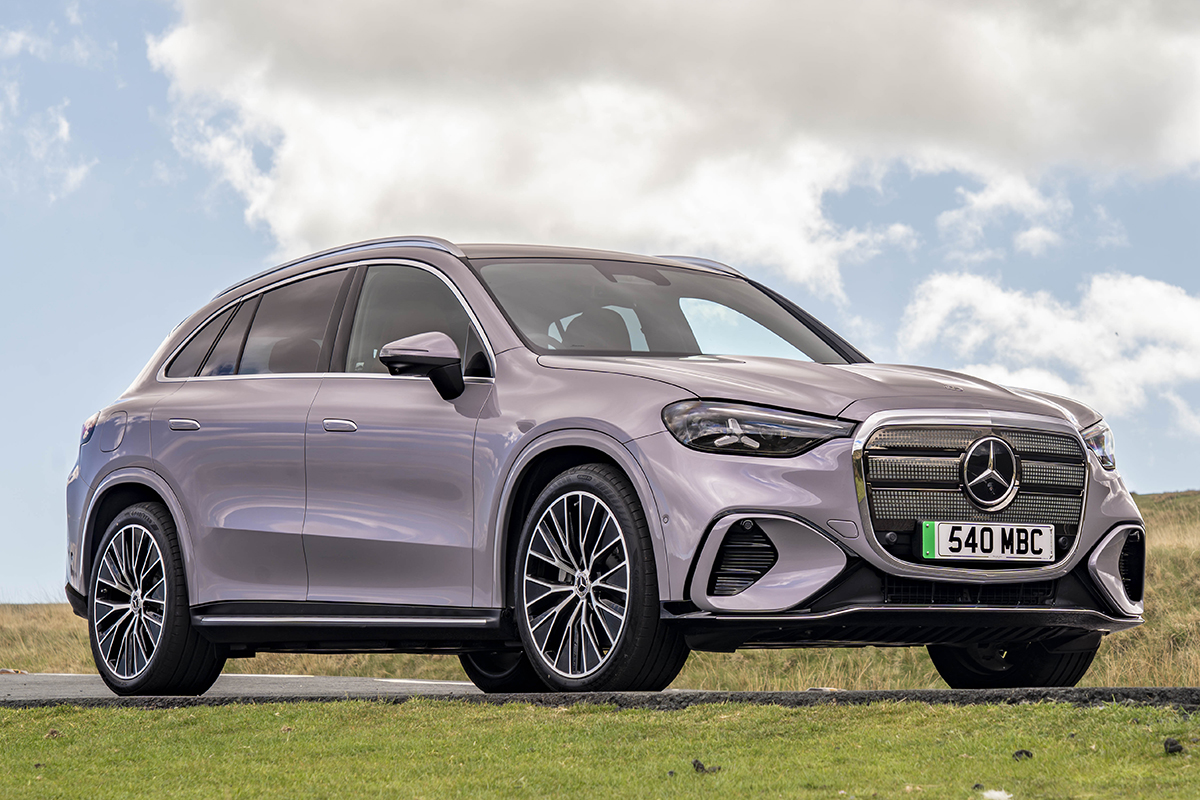
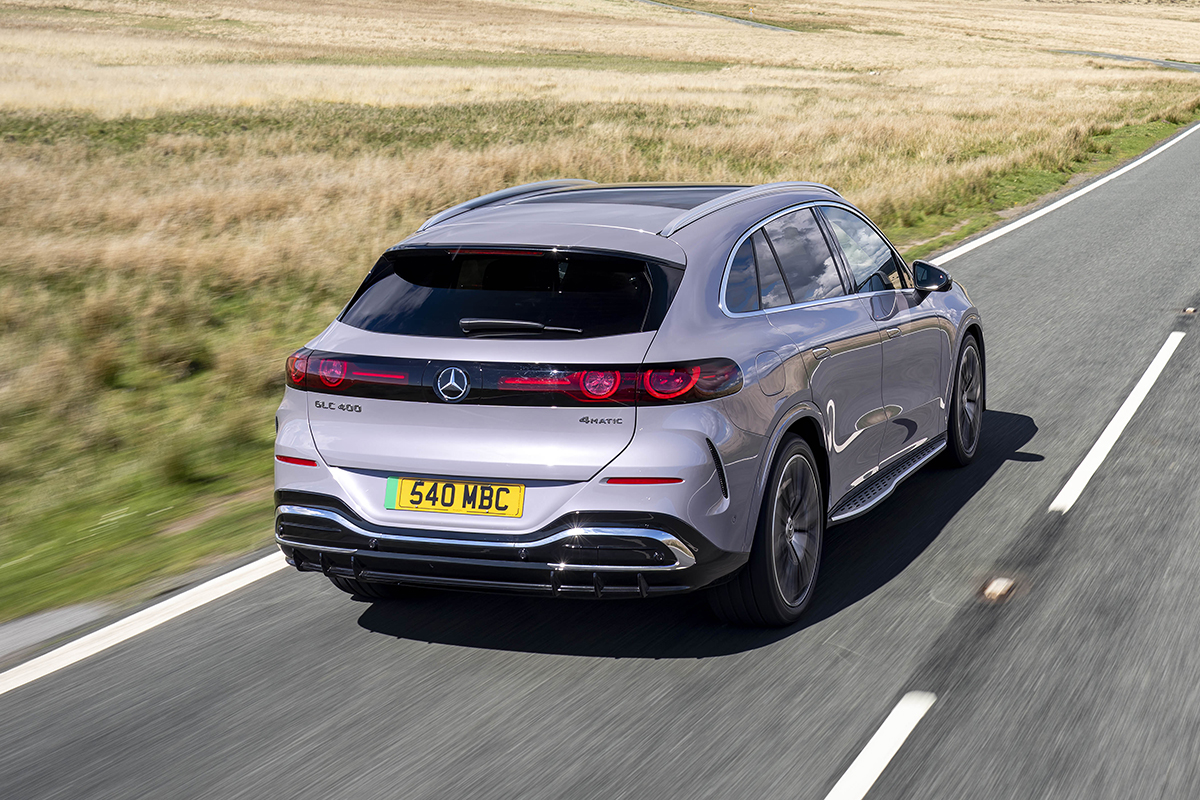
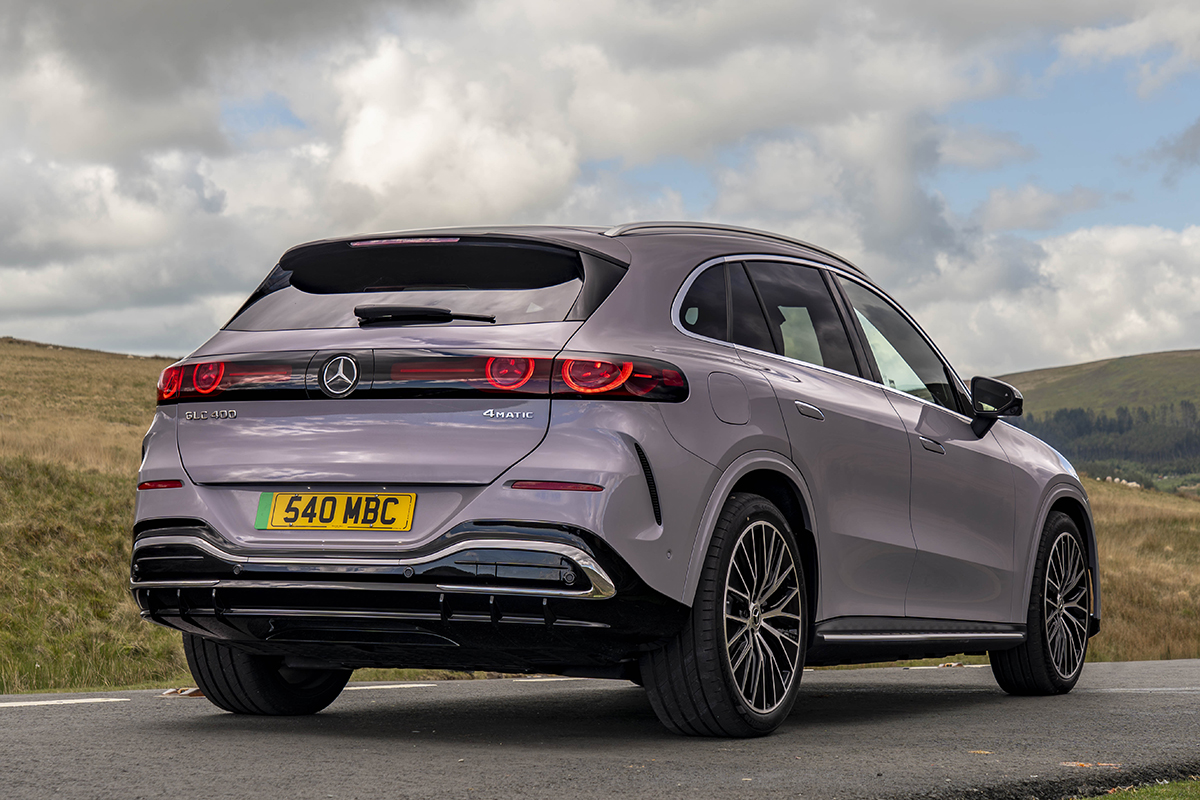
That said, you won’t need us to tell you that the GLC Electric is less focused on out-and-out speed and more concerned with comfort and style. With a bold front grille featuring illuminated details, a rear lighting arrangement that resembles a bank robber's mask, and no shortage of interior glitz, the battery-powered GLC is clearly a modern Mercedes. But key to its appeal will be comfort features, including an optional air suspension system, which gives it a key advantage over the purely passively-sprung iX3.
Where the GLC appears to look a little outgunned is with its battery and range. With a 94kWh battery in the floor of its structure and a claimed 405-mile range that drops to 393 miles in the Premier Edition we’ve tested, the GLC is clearly well short of its 450-plus-mile-capable rivals from BMW and Volvo. Charging speeds are competitive, with a maximum of 330kW at the plug enabling a 22-min 10-80% top-up time, or 188 miles in 10 mins. But for those who spend their lives hammering up and down the motorway, being over 50 miles short of the class’s best may be an unforgivable weakness.
How practical is it?
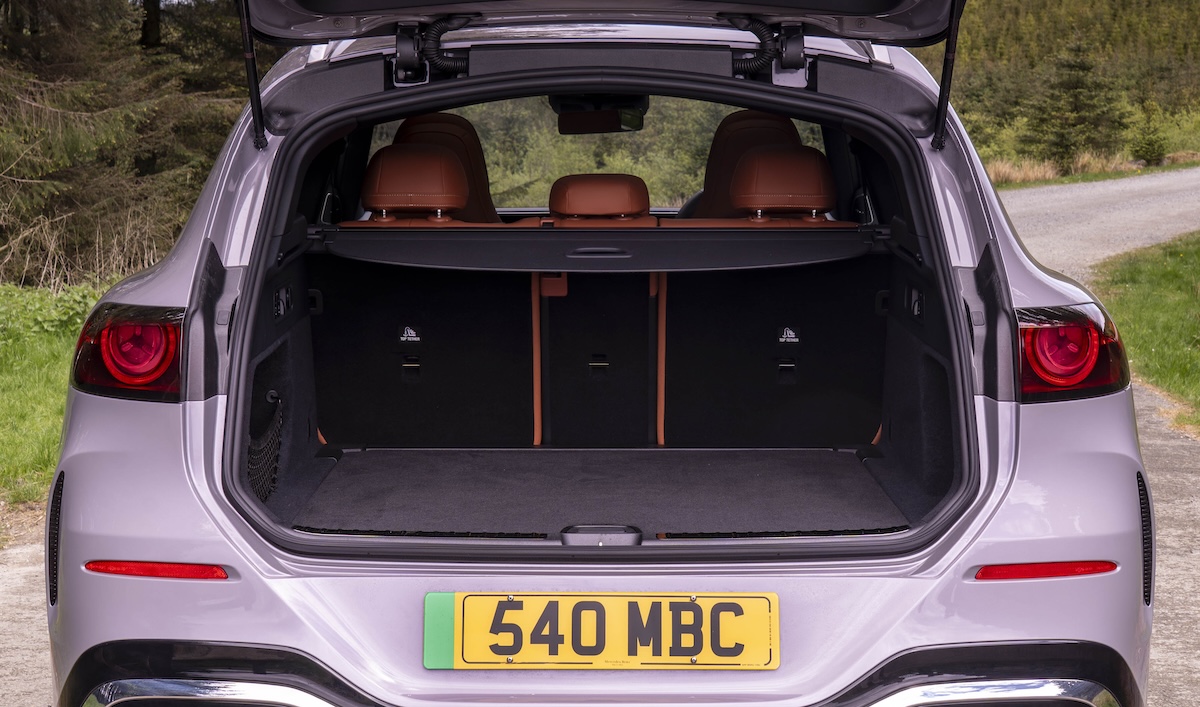
Very. In fact, the GLC Electric can claim to be one of the most practical cars in its class because a 570-litre boot and a 128-litre front boot provide useful amounts of space at both ends. While the EX60 is slightly bigger in the back, the GLC’s front boot is almost twice as big, meaning overall the advantage for the Volvo is just 54 litres. Most of that is to do with the Mercedes’s thinner underfloor storage space in the boot, too, so unless you make regular use of that area, you’d be hard-pressed to tell the difference.
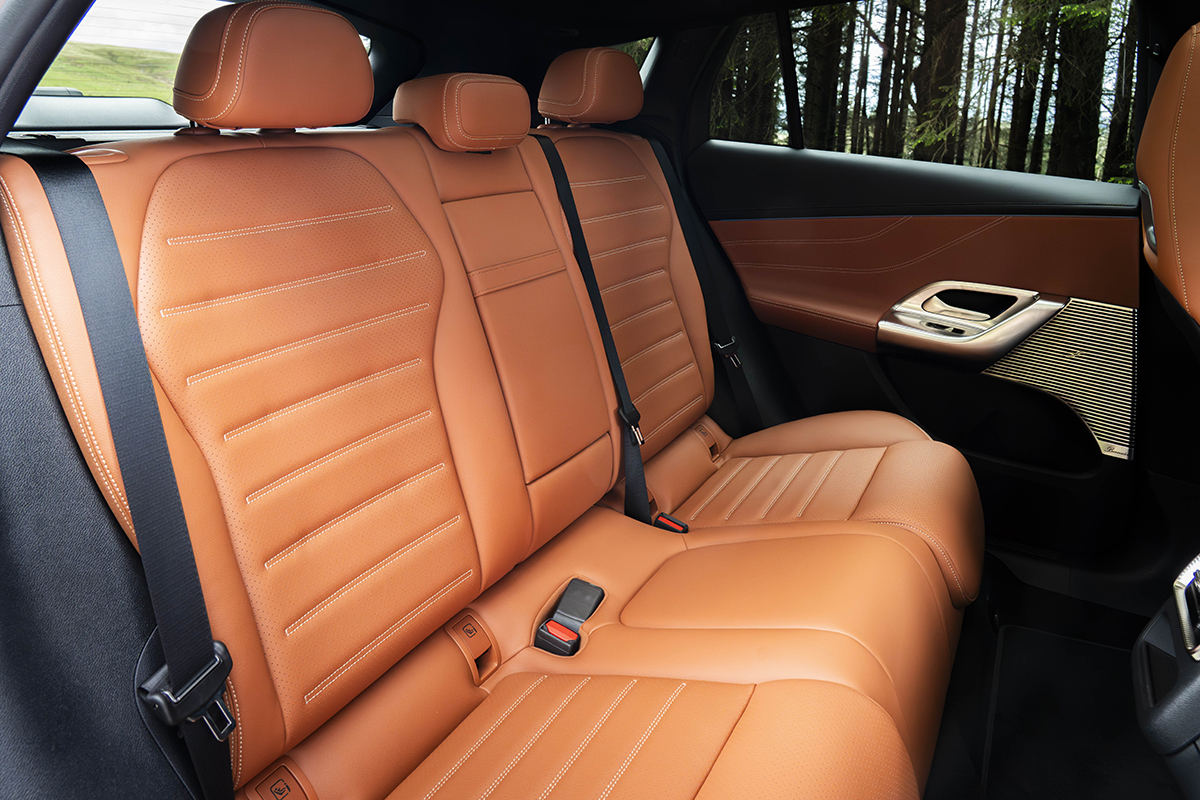
The space and practicality on offer elsewhere in the cabin is brilliant as well. Up front, the seats are broad and there’s no shortage of storage space, with generous door bins and a useful area under the centre console. In the back, a six-foot passenger can almost stretch their legs out completely, and there's also a surplus of headroom, while the GLC’s flat floor means even a middle-seat passenger can get comfortable, albeit from a slightly higher vantage point due to the raised middle pew.
Interior quality is also decent, with a solid-feeling and slick-reacting digital arrangement that spans the entire dashboard. It’s a shame there are no mechanical switches for the climate control (it’s all handled by the touchscreen, like it is in the iX3 and EX60), and the touch-sensitive steering wheel buttons feel disappointingly plasticky. But the main touch points - your leather seat, the leather steering wheel and even the screens - feel of good quality.
Overall, it’s a more glitzy cabin than the tech-focused, clutter-free layout of the BMW, Volvo and Audi. The Porsche definitely wins it for ergonomics, though, because it has actual buttons, including those for climate control, drive modes and even a conventional volume knob.
What's it like to drive?
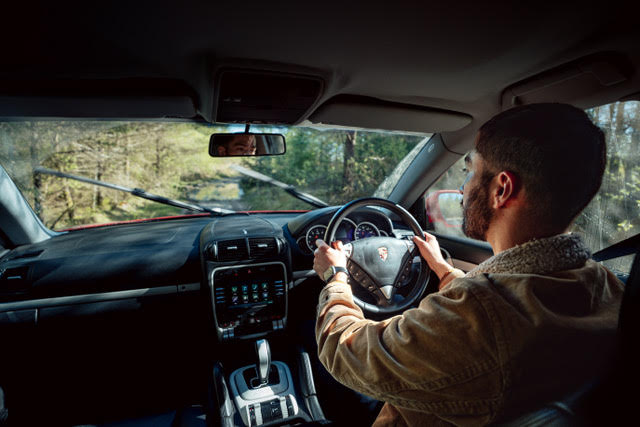
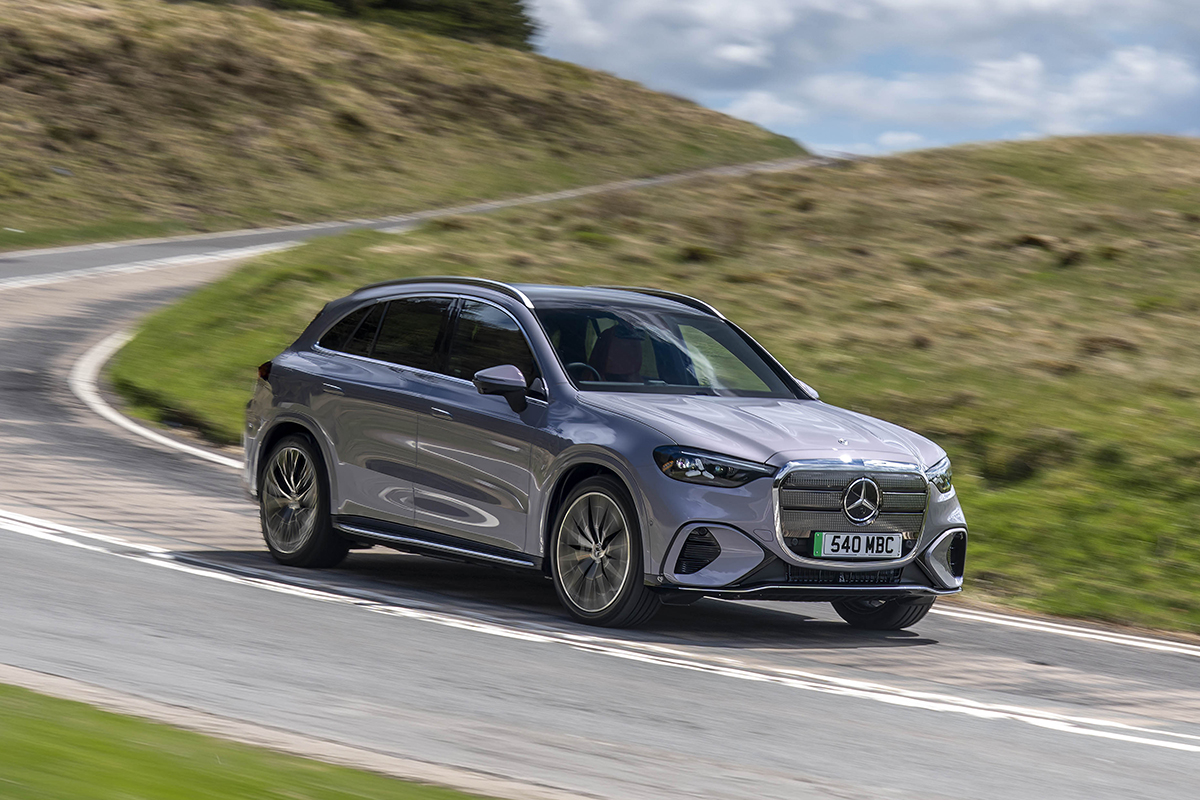
While Mercedes claims that the most comfortable GLC Electric uses the optional air suspension system, our Premier Edition came equipped with standard-fit passive suspension. You might therefore expect the ride of this 2.6-tonne and 21-inch-alloy-shod SUV to be compromised. But somehow Mercedes’s engineers have achieved the impossible (or at least, very difficult) by creating a car that is supple over bumps and potholes, and yet has good body control when you carry momentum into corners. First impressions suggest that even the passively-sprung GLC Electric is more comfortable than the iX3.
Alright, that does come at a slight cost to driver engagement, with the iX3 definitely providing more entertainment through the bends, with the Macan EV easily still holding on to overall class honours in this department. But the GLC Electric’s bolted-down cornering and seemingly unbreakable traction makes for a confidence-inspiring experience.
That’s not the big Merc’s natural state, though. It’s actually best when left to breathe along a road at normal pace, so the suspension can flow and absorb the worst of a scruffy road surface.
It’s quick, too, with significant amounts of electric muscle off the line and from a rolling start. It’s genuinely rapid, in fact. The 400 4Matic powertrain is satisfyingly effortless, too, and its forward punch is matched by useful regenerative braking, which can be adjusted on the fly using the shift paddles behind the wheel. Best of all, the maximum-strength setting can bring the car to a complete stop, meaning full one-pedal driving is within easy access.
It also means you can be pleasingly efficient with energy usage, so the GLC's inherent range disadvantage compared to rivals is at least not worsened by by the way it operates on the road. In fact, the opposite is true, so the on-paper range feels entirely achievable. That - along with the car’s rapid charge capability - does at least mean stops on long-distance drives can be short and predicted accurately.
Technology, equipment and infotainment
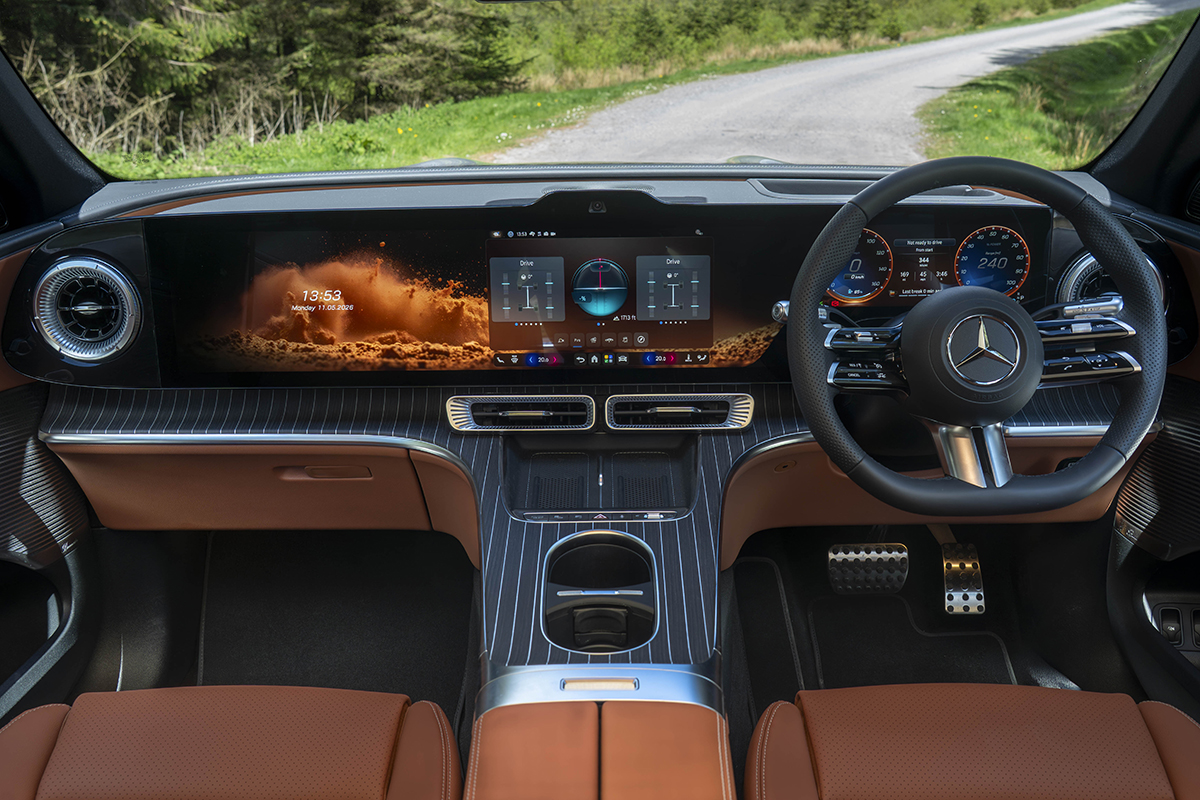
As standard, the GLC Electric gets three screens, but only the AMG Line and trims above it get the passenger touchscreen setup, complete with menus for journey data and even video games. Either way, the dashboard-wide digital setup presents the driver with a digital instrument cluster and a central infotainment system with sharp graphics. The infotainment is slick and smartphone responsive, and unlike smaller Mercs to get this arrangement, it’s not too dominating in the GLC.
Most impressive are the augmented-reality graphics added to the sat nav system, but the head-up display projected directly onto the windscreen is probably the most useful feature for route guidance.
The biggest drawback of the GLC’s digital-first cabin is a lack of mechanical climate control buttons, because the climate menu is fully embedded into the central screen, requiring several seconds of your attention for temperature and fan speed adjustments. The touch-sensitive buttons on the steering wheel (to adjust the adaptive cruise control and media settings) are also fiddly and feel plasticky. Combined, it provides a stark contrast to the tactile physical buttons fitted to the Porsche Macan EV’s cabin.
The driver assistance features are, however, mightily impressive on the GLC. The adaptive cruise is smart and smooth, even bringing the car to a complete halt in traffic. While the steer assist feature really does take the effort out of long-distance motorway driving. You get the impression this car can already drive itself, if it weren’t for the requirement for you to keep your hands on the wheel. Mercifully, Mercedes has also given drivers a permanently-on-screen icon to switch off the legally mandatory speed limit alert chimes with just a single tap.
Back seat passengers are given fewer toys to play with. A pair of vents and USB-C charge points were all that came fitted in the back of our Premier Edition, although the ‘Sky Control’ panoramic sunroof is a welcome addition.
Mercedes GLC Electric running costs
You won't be flabbergasted to learn that the Mercedes GLC Electric is not a cheap car: if you expected it to be, you'd be stark-raving bonkers. What's more important is how it compared with rivals on the score, and the answer to that is that it's somewhere in the middle of the pack. Starting prices are cheaper than those of the Audi Q6 e-tron, but a little higher than those of the Volvo EX60, and quite a bit higher than those of the BMW iX3. That said, the imminent arrival of the lower-powered single-motor GLC 300+ should make prices more affordable.
As we've already said, the GLC's official range is a wee way behind the official figures achieved by some of its key rivals, which isn't a great start. Charging the GLC's 94kWh battery pack will cost you around £26 if you charge at home and pay for your domestic electricity at the UK's national average rate, but the chances are that you'll be on a variable tariff that allows you to charge your car overnight at an vastly reduced off-peak rate. Do so, and you'll cut you charging costs to about a third of those at the national average.
The GLC's maximum DC rapid charging rates are a lot more competitive than its range figures, but do bear in mind that charging this way is very pricey indeed. Remember that national average domestic power figure we talked about? Well, the power that comes out of public DC rapid charging stations often charged at three times that amount, at which point running an EV becomes hardly any cheaper than running a petrol or diesel car.
Despite being an EV, Mercedes still recommends an annual service on its GLC Electric, which means it’ll be more demanding to maintain than the iX3, which has two-year intervals. That said, much of the maintenance work will be safety checks - and with such strong regenerative braking, things like brake component wear and tear should be kept to a minimum.
Since the GLC Electric can only be had with 20- or 21-inch alloy wheels, tyre replacement costs are quite high. Expect to pay more than £200 per corner to replace worn out tyres with equivalent-spec Michelins, Pirellis or Continentals.
Mercedes GLC Electric reliability
While the latest GLC Electric is too new to be accurately evaluated for reliability, Mercedes ranked in 22nd place in the manufacturer standings of WhatCar?’s annual Reliability Study, alongside Audi and just one spot behind Volvo. Mercedes scores 90.6% with cars that are five years old, which is some way behind BMW, which ranks sixth with 94.6%. That said, like the GLC, the iX3 is too new to be individually rated for reliability.
Mercedes offers a standard three-year, unlimited-mileage warranty, along with a dedicated eight-year/100,000-mile high-voltage battery warranty. This is nearly identical to what’s offered with the iX3, while the Volvo EX60 actually ranks a bit behind, with a three-year/60,000-mile warranty. That said, the Volvo gets a 10-year battery warranty.
- The new GLC Electric is 4,845mm long, making it more 50mm longer than the iX3 and over 100mm longer than the Macan EV. It’s even 40mm longer than the EX60.
- Mercedes will add a single-motor variant to its GLC Electric range, the GLC 300+, giving the car a bigger range to close the gap to its main competitors.
- The combustion-engined Mercedes GLC can still be had, with both petrol and diesel powerplants, with the latter actually kicking off the range from around £55,000.
- If you’re on a budget, the £60k opener has the same power and a still-impressive standard equipment list. But you may be better off waiting for the single-motor 300+ to save more money, unless you specifically need all-wheel drive.
- If you want a more performance-focused look, the AMG Line adds sportier body details and multi-spoke 20-inch wheels. You’ll need to go for an AMG Line Premium Plus or above to get 21-inch wheels.
- If you want maximum comfort from an air suspension system, you’ll need to go for an AMG Line model or higher, as the option isn’t available with lower-grade GLCs.