Mercedes-Benz G-Class review (2018-present) | Luxury SUV occupies a class of its own

Pros and cons
What we like
Amazing off-road ability
Eye-catching retro styling
Luxurious cabin with lots of space
What to consider
Hugely expensive to buy and run
AMG versions are very thirsty
Not as sharp to drive as a Porsche Cayenne
The CarGurus verdict
The Mercedes-Benz G-Class is one of the most distinctive luxury SUVs on sale. It’s hugely expensive, very costly to run and far less sensible than many rivals, but that’s also part of its charm. Few vehicles combine old-school character, opulent luxury and road presence quite like this one.
Crucially, the latest version is far easier to live with than older G-Wagens. It’s more comfortable, more refined and considerably more modern inside, while still retaining the rugged feel and extraordinary off-road ability that made the original such an icon.
Whether you choose a diesel, a thunderous Mercedes-AMG model or the new electric G 580, the G-Class remains a deeply charismatic SUV. It may not be the rational choice, but very few owners are likely to care once they’re behind the wheel.
out of 5 expert review
What is the Mercedes-Benz G-Class?
The Mercedes-Benz G-Class can trace its roots back to the 1970s, when the original Geländewagen – or G-Wagen – was developed as a military off-roader. A civilian version followed in 1979 and quickly built a loyal following, thanks to its rugged capability, distinctive styling and near-unmatched durability. It was, in many ways, Germany’s alternative to the Land Rover Defender or Toyota Land Cruiser. Saying that, at this price point, it's a more natural rival to the Bentley Bentayga and Porsche Cayenne.
Remarkably, the original G-Class remained in production for almost 40 years with only gradual updates along the way. Then, in 2018, Mercedes-Benz finally introduced a completely redesigned successor. While the current G-Class retains the upright, boxy styling that made the original such an icon, underneath it is far more modern, luxurious and technologically advanced.
Today’s G-Class blends serious off-road capability with the sort of luxury and technology expected from a high-end Mercedes-Benz SUV. It remains hugely capable off-road thanks to its ladder-frame chassis, low-range gearbox and locking differentials, but most examples spend their lives on the road as luxury family SUVs and status symbols.
Buyers can choose from powerful petrol and diesel engines, while Mercedes-AMG models add even more performance to an already extravagant package. More recently, Mercedes-Benz has also introduced the fully electric G 580 with EQ Technology, which offers an official 291 miles of battery range.
Understanding the lineup is easy compared with other Mercedes-Benz SUVs. The Professional Line is powered by a six-cylinder diesel engine and is the closest in spirit to a classic G-Class. The AMG Line Premium Plus gets more equipment and the choice of diesel or electric power, and there are several versions of the Mercedes-AMG G 63 4Matic, each one powered by a thunderous 4.0-litre V8 engine.

Practicality
How practical is it?
As you’d expect for a luxury SUV that costs well into six figures in many forms, the G-Class feels exceptionally solid and well built inside. The upright windscreen and relatively narrow cabin layout compared with some modern SUVs are both reminders of the G-Class’s utilitarian roots, but they also help provide an excellent view of the road ahead. Visibility to the rear is more restricted because of the externally mounted spare wheel, although parking sensors and cameras help when manoeuvring.
There’s plenty of space in the front seats, while rear-seat passengers enjoy generous headroom and legroom, even if some luxury SUV rivals feel airier inside. Unlike many large SUVs, there is no seven-seat option, but luggage space is still impressive. Petrol and diesel versions offer 640 litres of boot space, but this drops to 555 litres in the electric version. In all cases, the rear seats can be folded down to provide extra space for bulky luggage, bikes or a trolley-load of flat-pack furniture.
One feature that divides opinion is the side-hinged rear door. It looks authentic and suits the G-Class’s character, but is less convenient than a conventional tailgate in tight parking spaces. Make sure you leave enough room behind the car before opening it – although this won’t be much help if someone parks too close behind you.

Driving
What's it like to drive?
Your perception of the G-Class’s driving experience will depend heavily on your expectations. At this price point, it competes with luxury SUVs such as the Range Rover, Porsche Cayenne and even the Bentley Bentayga. Unlike those cars, though, the G-Class retains much of its old-school, off-roader character.
Compared with the previous G-Class, this current model is dramatically more refined and civilised on the road. The steering is more precise than before, body control is better managed and ride comfort is surprisingly good considering the G-Class still uses a ladder-frame chassis and rugged suspension setup. It’s not as smooth or composed as a Range Rover over rough roads, but it’s far less intimidating to drive than older G-Wagens. You don’t feel like you’ve had a workout after every trip.
That said, the G-Class is still not an especially agile SUV. Its tall body and substantial heft discourage enthusiastic cornering, even in high-performance Mercedes-AMG versions. Instead, it feels happiest cruising along Park Lane or into a Cotswolds farm shop car park in a relaxed and unhurried manner.
Off-road capability remains hugely impressive. The G-Class still features three locking differentials, low-range gearing and serious ground clearance, allowing it to tackle terrain that would stop most luxury SUVs almost immediately. Approach, departure and breakover angles are all excellent, while the G-Class can also wade through up to 700mm of water.
More recently, Mercedes-Benz introduced the fully electric G 580 with EQ Technology. Despite the switch to battery power, it remains astonishingly capable off-road thanks to its four individually controlled electric motors, while on-road refinement is even more impressive thanks to the near-silent electric drivetrain. However, the added weight means it still feels more like a luxury off-roader than a sporty SUV.

Tech and equipment
Technology, equipment & infotainment
Mercedes-Benz has worked hard to preserve the G-Class’s retro appeal, so plenty of nods to the original G-Wagen remain. These include the exposed door hinges, chunky grab handles and externally mounted spare wheel, while even the doors still close with a satisfyingly heavy clunk that feels very different to most modern SUVs.
Inside, however, the G-Class looks and feels thoroughly modern. Unlike the run-out versions of the old model, which sometimes felt as though modern tech had been crowbarred into a classic car, this current G-Class integrates luxury and technology far more seamlessly. The dashboard combines classic off-roader styling cues with Mercedes-Benz’s widescreen digital display setup, which sits alongside physical controls and a prominent passenger grab handle. You need to hang on when you’re mounting the kerb outside a wine bar in Chelsea…
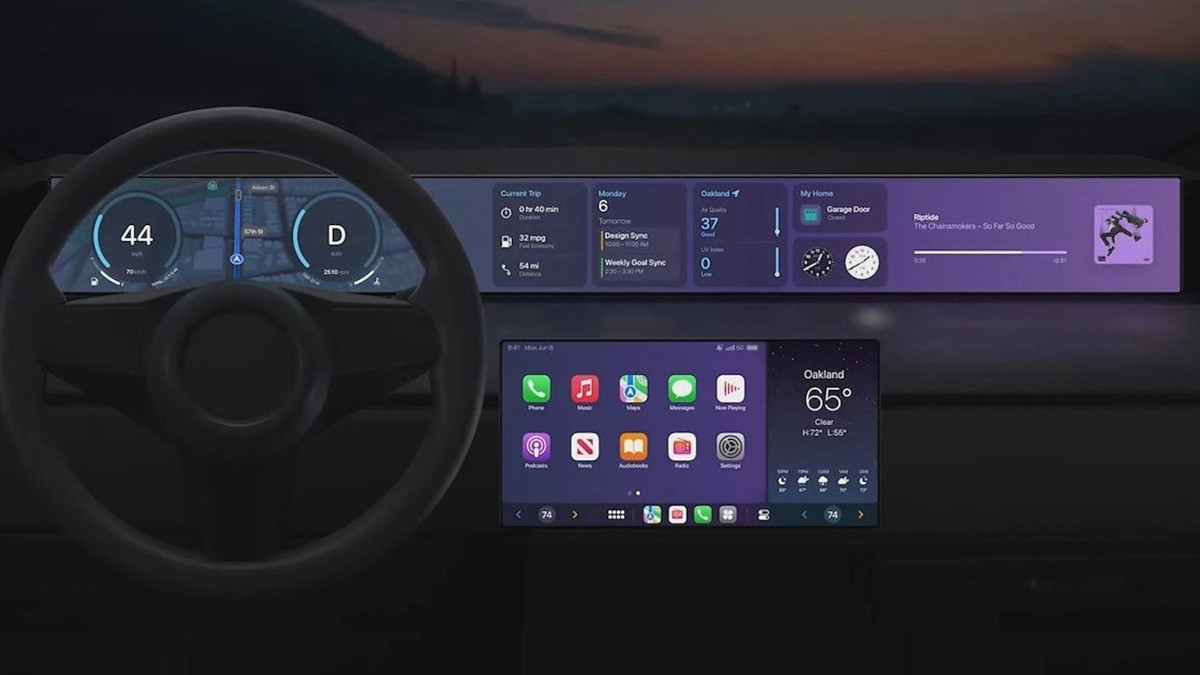
Mercedes-Benz’s MBUX infotainment system is one of the better systems fitted to a luxury SUV, offering sharp graphics, strong voice control functionality and straightforward smartphone connectivity via Apple CarPlay or Android Auto. The 12.3-inch digital instrument panel and 12.3-inch infotainment system combine to create a seamless display that somehow looks at home in the retro-style cabin.
Most G-Class models are also generously equipped, with features such as heated leather seats, ambient lighting, three-zone climate control, premium audio systems and advanced driver assistance technology widely fitted across the range.

Running costs
Mercedes-Benz G-Class running costs
The G-Class is not a cheap SUV to own, regardless of which version you choose. Purchase prices are extremely high, fuel consumption can be heavy and maintenance costs are firmly in luxury-car territory. On the plus side, slow depreciation helps soften the financial blow, as the G-Class retains its value incredibly well.
Diesel models such as the G 450d make the most sense for regular long-distance driving, offering surprisingly respectable fuel economy considering the G-Class’s size, weight and brick-like shape. The Mercedes-AMG G 63, meanwhile, is considerably more expensive to run, especially if you make full use of its performance.
The fully electric G 580 avoids fuel costs altogether and may prove cheaper to run for drivers able to charge at home, although the purchase price is extremely high and insurance costs are unlikely to be modest.
Servicing and repair bills can also be substantial, particularly on AMG versions. Most owners are likely to stick with Mercedes-Benz dealers or recognised specialists in order to protect resale values, while premium tyres add further expense. Unsurprisingly, all models sit in the highest insurance groups.

Mercedes-Benz G-Class reliability
Given its niche status and comparatively low sales volumes, there is relatively limited long-term reliability data available for the current G-Class. The previous-generation G-Wagen developed a reputation for exceptional durability, but the modern G-Class is a far more complex and tech-laden vehicle.
A number of recalls have affected the current model over the years, including issues relating to wiring, seatbelt components, locking differentials and various electronic systems. Most affected cars should already have received the necessary remedial work, but it’s sensible to check that all recall campaigns have been completed before buying a used example.
Mercedes-Benz covers the G-Class with a three-year, unlimited mileage warranty, which is competitive for a luxury SUV, although some mainstream manufacturers now offer significantly longer cover periods. The unlimited-mileage aspect may still appeal to high-mileage owners.
Mercedes-Benz as a brand tends to deliver mixed reliability results in owner surveys. In the latest What Car? Reliability Survey, the company finished joint 22nd out of 30 manufacturers. The G-Class itself was not specifically included, most likely because of its specialist position in the market. With fewer moving parts, the G 580 is likely to be the most reliable G-Class, but the car is too new to say that with confidence.


What owners say
The car is exceptionally Good. I'm impressed. Everything is great and the security too is top-notch. I would definitely recommend.
27 February 2026Three things to know
- Mercedes-Benz has gradually updated the G-Class engine line-up since launch. Earlier diesel models used the G 350d and later G 400d straight-six engines, while today’s G 450d adds mild hybrid technology for improved fuel economy and better performance. Even the diesel versions feel effortlessly quick thanks to the G-Class’s huge reserves of torque; the 0-62mph time is an impressive 5.8 seconds.
- The range-topping Mercedes-AMG G 63 remains one of the most extravagant SUVs on sale. Its twin-turbocharged V8 produces huge performance and an unmistakable soundtrack, giving the upright G-Class the performance to rival a sports car. It’ll sprint to 62mph in just 4.4 seconds, going on to hit a top speed of 137mph. It’s undeniably excessive, but that’s part of the appeal.
- Mercedes-Benz has also introduced the fully electric G 580 with EQ Technology. Despite switching to battery power, it retains the G-Class’s serious off-road ability and distinctive styling, while adding near-silent performance and advanced features such as individually controlled electric motors and ‘G-Turn’ tank-turn functionality for off-road driving. It’s also no slouch, as highlighted by the 4.7 seconds it takes to reach 62mph.
Which one to buy
- Best value: If you’re trying to spend as little as possible on a G-Class, earlier G 350d models are usually the cheapest way into ownership. Even so, the G-Class holds its value remarkably well, so don’t expect bargains in the conventional sense.
- Best all-rounder: For most buyers, the diesel-powered G 450d makes the best case. It combines strong performance with impressive long-distance comfort and slightly more sensible running costs than the petrol-powered alternatives. The effortless torque delivery also suits the G-Class’s relaxed character perfectly.
- Best for performance: It has to be the Mercedes-AMG G 63. Its twin-turbocharged V8 delivers outrageous straight-line pace and a thunderous soundtrack, turning the already attention-grabbing G-Class into something even more excessive.
- Best for something different: The fully electric G 580 is one of the most unusual luxury EVs currently on sale. It retains the G-Class’s iconic styling and serious off-road ability, but adds near-silent electric performance and clever off-road tech. It’s hugely expensive, but also rather fascinating.


More on the Mercedes-Benz G-Class (2018 - 2026)

Compare 2026 Mercedes-Benz G-Class Trims
The G-Class offers a blend of luxury and off-road capability, with a price range that caters to both budget-conscious and performance-focused shoppers.
- Starting at £156,605
- Most Popular: G63 5dr 9g-tronic
Trim Overview
Prices updated weekly from CarGurus listings.
| G450d Amg Line Premium Plus 5dr 9g-tronic | G63 5dr 9g-tronic (Most Popular) | G63 Magno Edition 5dr 9g-tronic | |
|---|---|---|---|
| Starting MSRP | £136,925 | £184,425 | £203,425 |
| Avg. Market Price | £156,605 | £206,350 | £225,746 |
| Positioning | Best value | Adventure-ready | Trail-ready |
| Standout Features | Heated Seats, Navigation System, Panoramic Roof | Apple CarPlay, Heated Seats, DAB Radio | Heated Seats, Bluetooth, Night Package |
| Drivetrain | AWD | AWD | AWD |
| Listings Available | 14 | 53 | 13 |
Quick Compare Table
Listing prices sourced from CarGurus — updated weekly. OEM specs from manufacturer data.
| G450d Amg Line Premium Plus 5dr 9g-tronic | G63 5dr 9g-tronic | G63 Magno Edition 5dr 9g-tronic | |
|---|---|---|---|
| AI Summary | Best value for luxury SUV shoppers | Ideal for adventure enthusiasts | Unique styling with premium features |
| Avg. Market Price | £156,605 | £206,350 | £225,746 |
| MSRP | £136,925 | £184,425 | £203,425 |
| Engine | 3.0l I6 Diesel | 3982.0cc 585 hp V8 | 3982.0cc 585 hp V8 |
| Drivetrain | AWD | AWD | AWD |
| Heated Seats | ✓ | ✓ | ✓ |
| Navigation System | ✓ | — | — |
| Privacy glass/Tinted windows | ✓ | ✓ | ✓ |
| Apple CarPlay | ✓ | ✓ | ✓ |
| Climate control | ✓ | ✓ | — |
| Android Auto | ✓ | ✓ | ✓ |
| Cruise Control | ✓ | ✓ | ✓ |
| Heated Steering Wheel | ✓ | — | — |
| Bluetooth | — | ✓ | ✓ |
| DAB Radio | — | ✓ | ✓ |
| Alarm/Immobiliser | — | ✓ | ✓ |
| Active Listings | 14 | 53 | 13 |
Missing data displayed as "—".
Trim Deep Dives
G450d Amg Line Premium Plus 5dr 9g-tronic — "Who It's For"
The G450d Amg Line Premium Plus is the pick for shoppers who want luxury features without the higher price tag of the G63. It's a great entry point into the G-Class lineup.
- Avg. market price: £156,605 (updated weekly)
- Inventory: 14 listings — lower availability; may limit negotiating room
- View G450d Amg Line Premium Plus listings
G63 5dr 9g-tronic — "Who It's For"
The G63 is the pick for shoppers who want a powerful V8 engine and luxury features without compromise. It's also the most popular trim in the lineup.
- Avg. market price: £206,350 (updated weekly)
- Inventory: 53 listings — lower availability; may limit negotiating room
- View G63 listings
G63 Magno Edition 5dr 9g-tronic — "Who It's For"
The G63 Magno Edition is the pick for shoppers who want exclusive styling and advanced features without sacrificing performance. It's perfect for those who want to stand out.
- Avg. market price: £225,746 (updated weekly)
- Inventory: 13 listings — lower availability; may limit negotiating room
- View G63 Magno Edition listings
Trim Recommendations
Most Popular — G63 5dr 9g-tronic
With 53 active listings, the G63 is the clear volume leader in the lineup.
Best Budget Option — G450d Amg Line Premium Plus 5dr 9g-tronic
At £156,605 avg market price — below the lineup median of £206,350 — it's the most accessible entry point.
Browse G450d Amg Line Premium Plus listings
Closing Attribution
These recommendations are based on CarGurus' proprietary market data from October 22, 2026, CarGurus experts' opinions, and generative AI.

