Ssangyong Tivoli Review (2015-present)


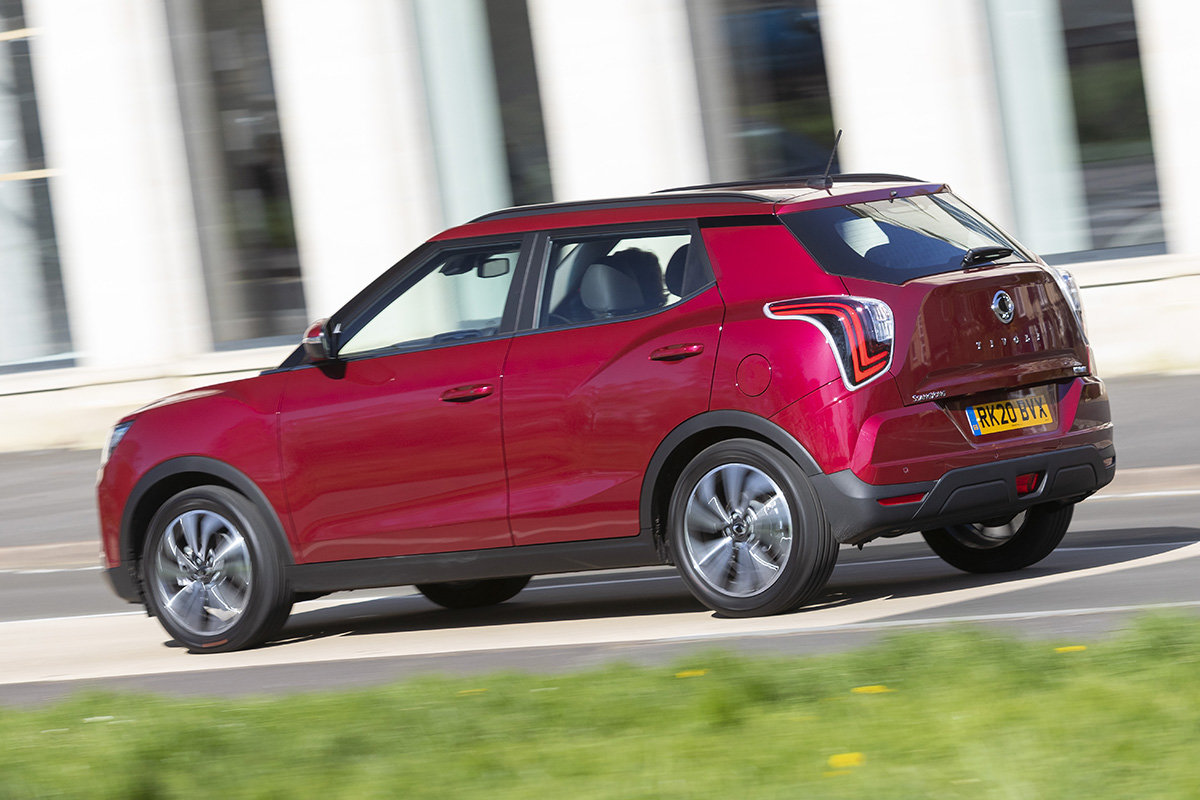
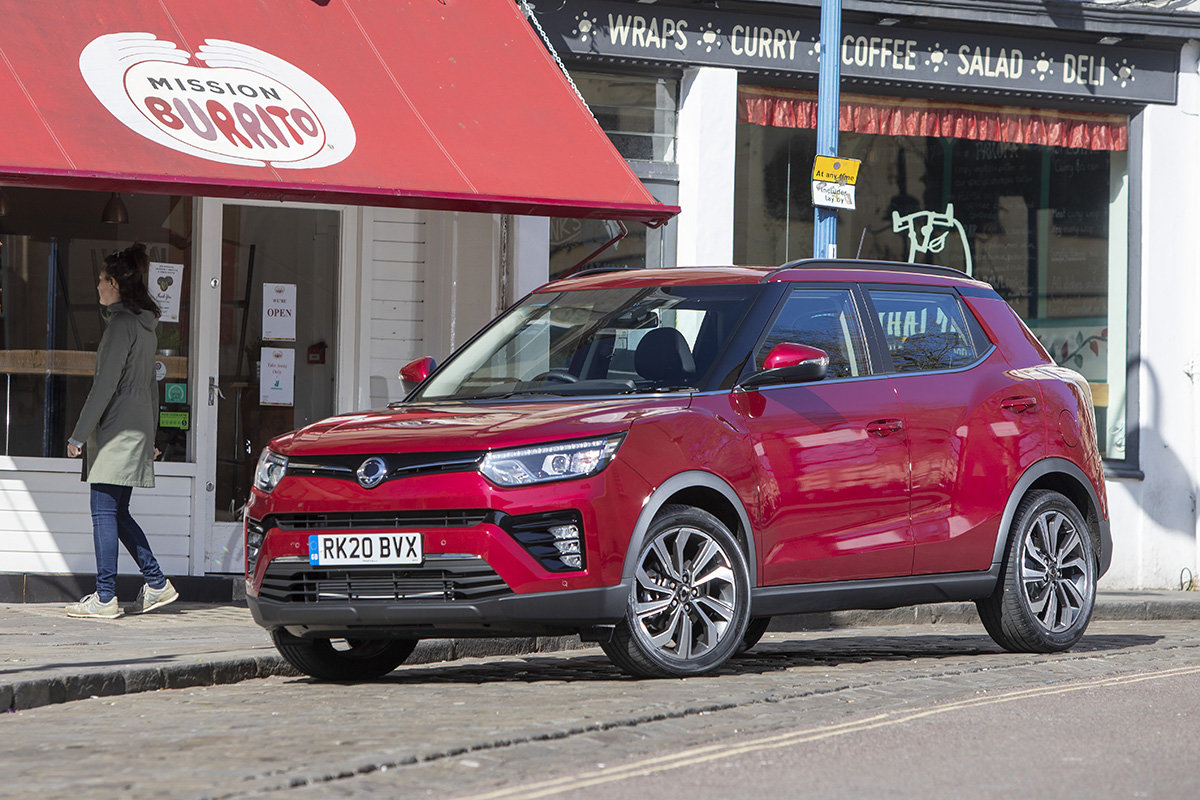
Pros and cons
What we like
Very cheap to buy, new or used
Seven-year new car warranty from October 2018
Every model is well equipped
What to consider
Poorly finished interior
Mediocre to drive
Potentially expensive problems with manual gearbox
The CarGurus verdict
The Ssangyong Tivoli’s combination of a huge warranty with generous space and equipment levels is hard to match. So if peace-of-mind and practicality are the two things you most desire in your next car, it’s worth a look.
The trouble is, it’s quite noisy, not particularly comfortable, and rather thirsty, too. So if you’re willing to spend just a little bit more cash, you can bag yourself a small SUV that’s not only much nicer to drive, but cheaper to run, and many are almost as roomy.
What’s more, if value-for-money really is the be-all-and-end-all, there’s always the Dacia Duster, which offers even more space for even less cash.
All of which makes the Tivoli a car that’s hard to recommend. In and of itself, it’s not really a bad little car, just an average one. The trouble is, there are rivals on all sides that do what it does far better.
out of 5 expert review
What is the Ssangyong Tivoli?
If you haven’t heard of Ssangyong, you aren’t alone. The Korean manufacturer (which changed its name to KGM in 2023) is still one of the smallest in the UK, with a range of SUVs that major on value and off-road chutzpah. But with next to no brand image to speak of, relatively few people want one, or even know they’re out there.
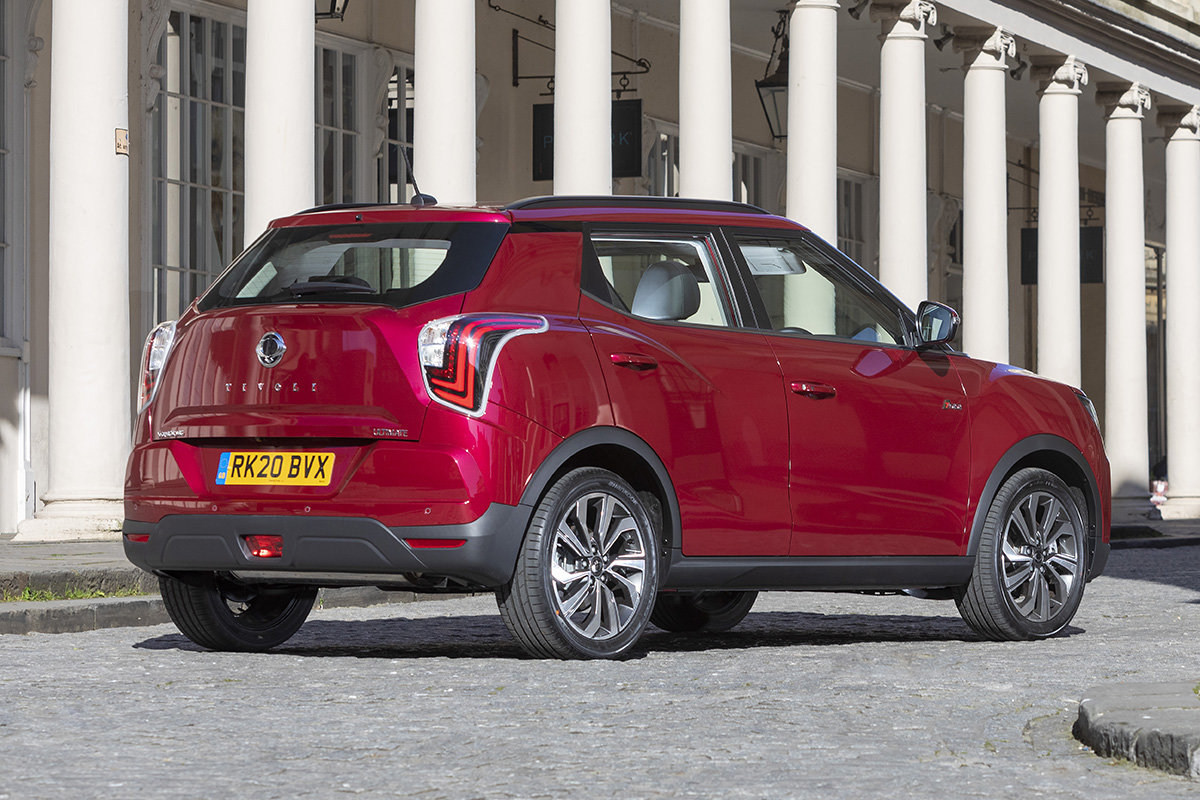
Ssangyong is trying to change that, and one of the ways it’s doing so is with the Tivoli, its smallest and most cost-effective new car. It’s a high-riding SUV with compact, town-friendly dimensions in the vein of so many of today’s small cars; a crossover, in other words. And as such, it can count among its rivals the Renault Captur, Nissan Juke, Kia Stonic, Hyundai Kona, Ford Puma and Suzuki Vitara, though it feels more at home when compared with cheaper competitors like the Dacia Duster.
Practicality
How practical is it?
The Tivoli is the sort of car you buy with your head, rather than your heart. On paper, it makes an awful lot of sense. After all, when you look at the equipment you get as standard even with the entry-level EX version – not to mention the price it’s on sale for – it seems like the bargain of the century.
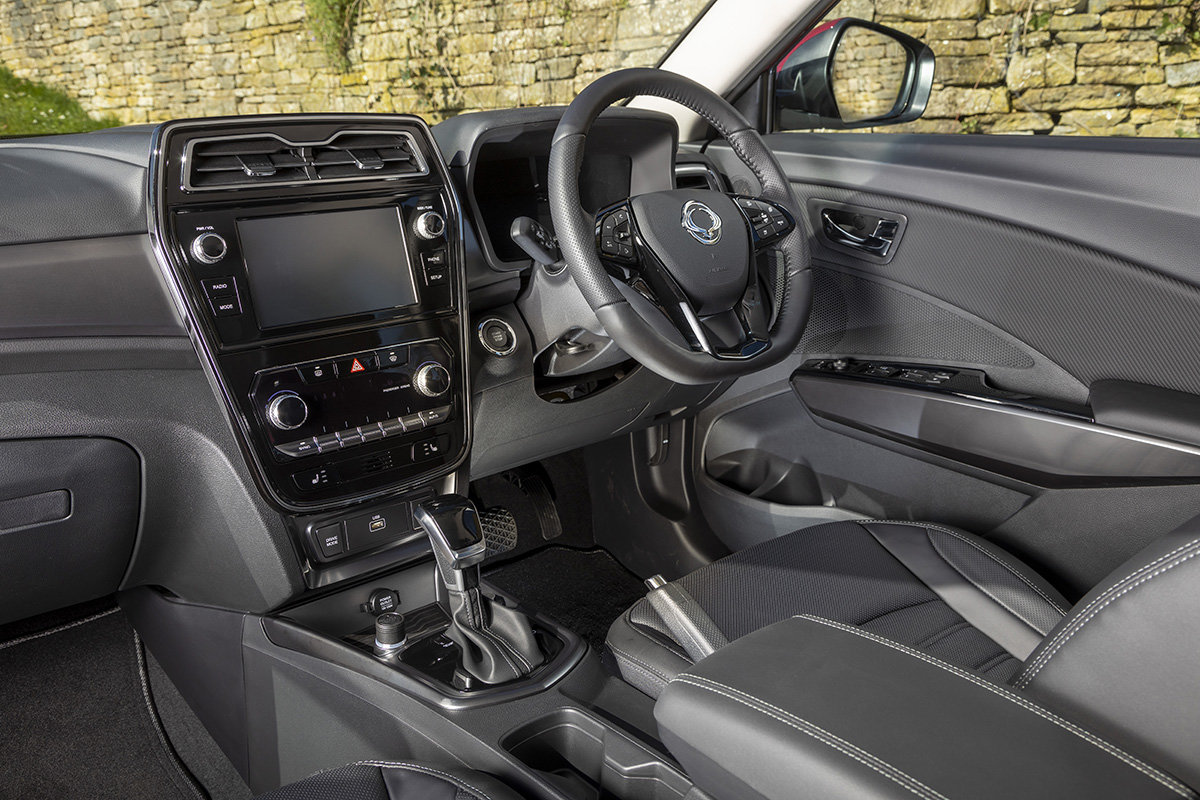
Inside the Tivoli, some of the plastics feel rather cheap, though you can arguably excuse that given the car’s low price. Okay, you're never going to mistake the interior for something from Audi, Mercedes or BMW, but at this money, you really wouldn't expect to.
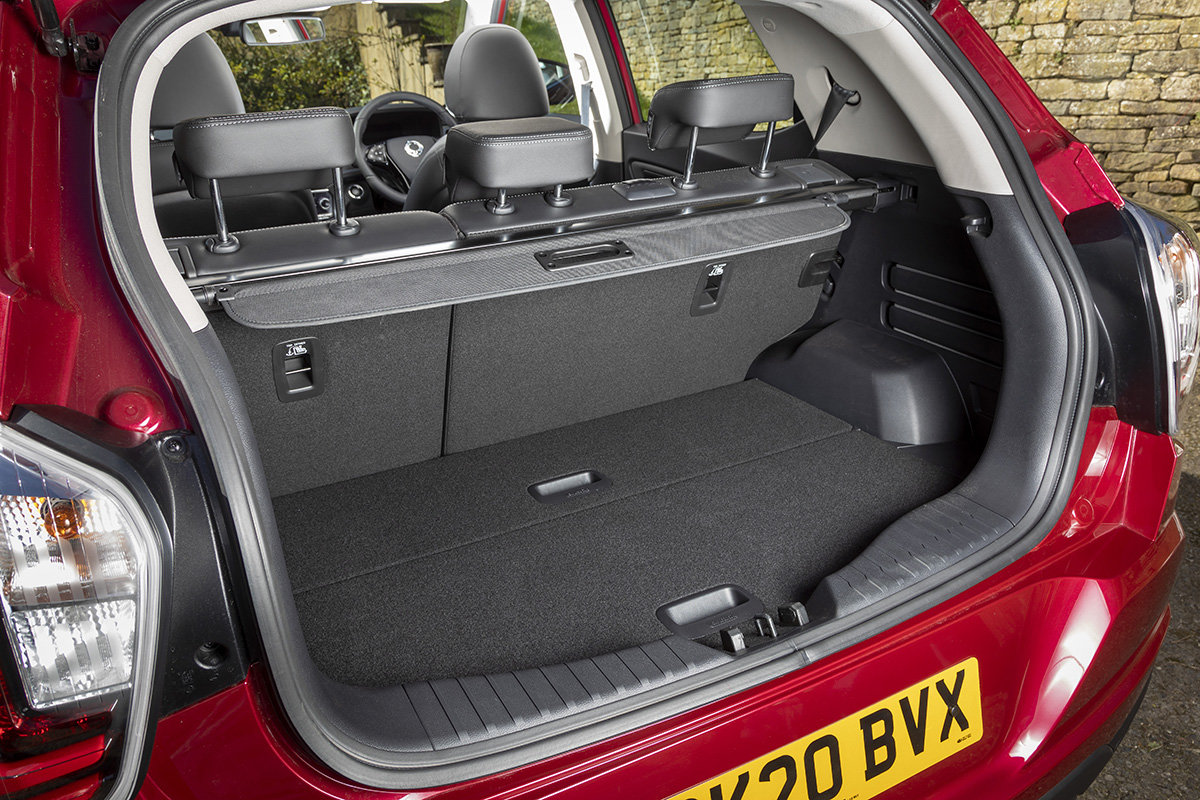
Where the Tivoli does score, though, is on space. Its boot is huge at 427 litres, bettering almost all of its rivals. The downside is that you don’t get clever sliding seats like those you’ll find in the Renault Captur, but given the boot’s larger than the Captur’s even with the seats fixed in position, that doesn’t really matter too much. However – and this is unusual – you only get the full 427 litres if you buy a Tivoli with a manual gearbox. Go for an automatic, and you get a substantially smaller 311-litre boot.
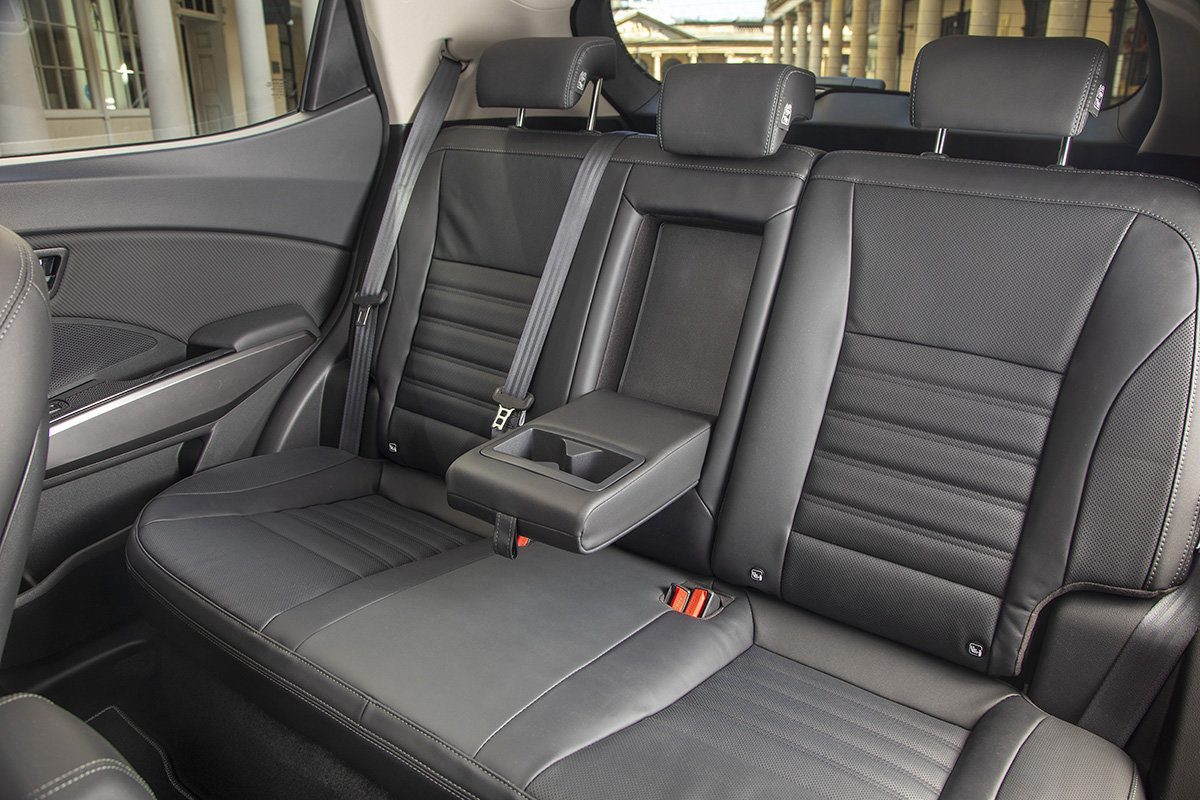
Passenger space is great, too, with lots of leg-, head- and elbow room in both the front and the rear seats. There's also an even bigger version of the car known as the Ssangyong Tivoli XLV that's even more practical, but we'll deal with that in a separate review.
Driving
What's it like to drive?
Out on the road, though, the Tivoli’s limitations start to become clear. It’s not that it’s a bad car, it just feels distinctly average in almost every area.
Out on the road the Tivoli’s engines are noisy, the six-speed manual gearbox is notchy and the six-speed automatic is slow to react.
The ride comfort is so-so, the Tivoli reacting to larger bumps reasonably well but clattering its way over scruffier surfaces. It doesn’t handle as neatly as some of its rivals, either, because there isn’t much feel from the steering, and nor is there very much grip.
Tech and equipment
Technology, equipment & infotainment
There are four grades of Tivoli available; the EX, Ventura, Ultimate and Ultimate Nav. EX seems fairly well equipped for the price, with alloy wheels, heated front seats, cruise control, six airbags and air-conditioning all coming as standard, but it does miss out on some bits you’d normally expect to see as standard: there’s no luggage cover, for example, while the steering wheel’s only adjustable for height, not reach, and you don’t get height adjustment on the driver’s seat.
Ventura adds these features, as well as keyless entry, rear parking sensors, and a touchscreen infotainment system with Bluetooth connectivity, Apple CarPlay, Android Auto and a reversing camera. Ultimate then comes with leather seats, extra safety kit, and dual-zone climate control, and as its name suggests, top-spec Ultimate Nav then adds satnav, too.
Running costs
Ssangyong Tivoli running costs
Compare the Tivoli’s fuel consumption with that of rivals and you’ll notice it almost universally lags behind. The 1.6-litre diesel is the most efficient of the bunch, and should see about 45 mpg on average. For comparison, a diesel Dacia Duster will be returning around 50 mpg in the same conditions.
The petrol engines get closer to their rivals, but even the 1.2-litre petrol won’t see much more than 35 mpg on average in daily use, where you’ll be seeing at least 2-3 mpg more than that from a Dacia Duster or Skoda Kamiq.
The 1.5-litre is barely any thirstier, in fact (unless you choose the automatic gearbox, that is) so it makes a lot of sense. Or rather, it would, if it wasn’t available exclusively with the pricier Ultimate trim, which has a considerably heftier price tag than lesser models. That starts to push the Tivoli into competition with much newer, smarter rivals, at which point it just doesn’t stack up.
Keep the specification modest, though, and the Tivoli looks like decent value. It’s cheaper than its newer, more sophisticated rivals, and for the prices Ssangyong is asking, it does pack in a lot of equipment.
That said, that sub-standard fuel economy, combined with fairly heavy depreciation and reasonably steep maintenance and repair costs all contribute to a high projected ownership cost for the Tivoli.
What’s more, like-for-like the Duster will cost you considerably less to buy, run and sell on than these cheaper models, so if you really do need an SUV with lots of space on a tight budget, that might be a better option.
In fact, the Tivoli’s whole-life costs are so high that if you were to pay more up front for a pricier alternative, like the Kamiq, you’d actually save money in the long run thanks to its more parsimonious fuel consumption and better resale values.
Ssangyong Tivoli reliability
As we’ve mentioned, the Tivoli isn’t exactly a big-selling car here in the UK, and as a result of that, there aren’t enough examples around for them to feature heavily in reliability surveys. In fact, the same can be said for Ssangyong’s model range as a whole, so we have very little data on the company’s reliability record, which makes it hard to predict exactly how dependable – or otherwise – the Tivoli will be.
On the plus side, Ssangyong’s warranty is pretty generous. New Tivolis benefit from an impressive seven-year, 150,000-mile guarantee, though you’ll want to check the small print, as certain parts of the car are covered for less than that.
If you’re buying used, one thing to bear in mind is that before 1 October 2018, Tivolis came with a five-year warranty, albeit one that wasn’t limited by mileage. Still, something to be aware of, in case you want to buy an older Tivoli and end up with a shorter warranty than you were expecting
One common fault some owners have reported is a problem with the manual gearbox, which can grow sticky and notchy with time. It’s a problem dealers have put down to the gear selectors coming out of alignment, and can be quite costly to sort, so steer clear of any manual Tivoli with a stiff gear change.

What owners say
Superb value, very good for its money, I like the leather finish.
22 March 2023Three things to know
- Ssangyong released a comprehensive facelift of the Tivoli in 2020. Changes to the new model included the introduction of more efficient petrol engines with lower emissions, and a new interior, as well as some tweaks to equipment levels (the ELX version was renamed Ventura, for example) and refreshed exterior styling more in-line with the larger Ssangyong Korando. Before this facelift, the Tivoli was lumbered with a fairly dated 1.6-litre petrol engine that was thirsty, noisy and quite slow, which makes it hard to recommend. The diesel engine wasn’t much quicker, but it was at least much more efficient, which makes it the one to have if you’re buying used.
- From 2016 to 2020, the Tivoli was offered with four-wheel drive, making it one of the only cars in its class to be available with the technology. Combined with good approach and departure angles, this made the nimble Tivoli pretty adept off-road. However, there was a price to pay in terms of fuel economy, and this kept demand low, which explains why the Tivoli 4x4 was removed from sale. Today, therefore, the range is only available with two-wheel drive.
- You can opt to have your Tivoli with an automatic gearbox, but we wouldn’t recommend it. Available only with the 1.5-litre petrol engine, it’s an old-fashioned six-speed unit sourced from Japanese manufacturer Aisin, and while it’s OK if you’re just pootling around gingerly, demand anything more and it’s out of its depth, shifting jerkily when hurried and slurring changes when you’re accelerating hard.
Which one to buy
- We haven’t driven the 1.2-litre and 1.5-litre petrol engines in the Tivoli, but on paper they make a reasonable amount of sense, especially the former, whose respectable fuel consumption is in the same ballpark as rivals’, even if it isn’t quite as good.
- That engine is the only one available with our preferred specification, the Ventura, which seems to offer all the equipment you’d need, with the possible exception of dual-zone climate control.
- If your budget really is tight, though, you might want to consider looking at the EX instead. Yes, it does miss out on some fairly basic bits of equipment, but it is the cheapest Tivoli out there, and still gives you just as much space as you get with more expensive models, which really is its USP.


Compare 2023 Ssangyong Tivoli Trims
The Tivoli offers a blend of value and features, with the 1.5p Ultimate 5dr being the most accessible option in the lineup.
- Starting at £12,210
- Most Popular: 1.5p Ultimate 5dr
Trim Overview
Prices updated weekly from CarGurus listings.
| 1.5p Ultimate 5dr | 1.5p Ultimate Auto 5dr | |
|---|---|---|
| Starting MSRP | £21,105 | £22,265 |
| Avg. Market Price | £12,210 | £12,684 |
| Positioning | Best value | Fully loaded |
| Standout Features | Apple CarPlay, Backup Camera | Heated Seats, Parking Assist |
| Drivetrain | FWD | FWD |
| Listings Available | 18 | 16 |
Quick Compare Table
Listing prices sourced from CarGurus — updated weekly. OEM specs from manufacturer data.
| 1.5p Ultimate 5dr | 1.5p Ultimate Auto 5dr | |
|---|---|---|
| AI Summary | Best value option with essential features | Fully equipped for a premium experience |
| Avg. Market Price | £12,210 | £12,684 |
| MSRP | £21,105 | £22,265 |
| Engine | 1497.0cc 163 hp I4 | 1497.0cc 163 hp I4 |
| Drivetrain | FWD | FWD |
| MPG/MPGe (City/Hwy) | 35.3/48.7 | 33.2/46.3 |
| Apple CarPlay | ✓ | ✓ |
| Android Auto | ✓ | ✓ |
| Backup Camera | ✓ | ✓ |
| Parking Assist | ✓ | ✓ |
| Air Conditioning | ✓ | ✓ |
| Privacy glass/Tinted windows | ✓ | ✓ |
| Keyless Entry/Start system | ✓ | ✓ |
| Bluetooth | ✓ | ✓ |
| AUX/USB connectivity | ✓ | ✓ |
| Alarm/Immobiliser | ✓ | ✓ |
| Cruise Control | ✓ | — |
| Heated Seats | — | ✓ |
| Active Listings | 18 | 16 |
Missing data displayed as "—".
Trim Deep Dives
1.5p Ultimate 5dr — "Who It's For"
The 1.5p Ultimate 5dr is the pick for shoppers who want essential tech and comfort without paying for extra features. It's the most popular trim in the lineup.
- Avg. market price: £12,210 (updated weekly)
- MPG/MPGe: 35.3 city / 48.7 hwy
- Inventory: 18 listings — lower availability; may limit negotiating room
- View 1.5p Ultimate 5dr listings
1.5p Ultimate Auto 5dr — "Who It's For"
The 1.5p Ultimate Auto 5dr is the choice for buyers seeking a fully loaded experience with advanced features and comfort. It offers a premium feel at a competitive price.
- Avg. market price: £12,684 (updated weekly)
- MPG/MPGe: 33.2 city / 46.3 hwy
- Inventory: 16 listings — lower availability; may limit negotiating room
- View 1.5p Ultimate Auto 5dr listings
Trim Recommendations
Most Popular — 1.5p Ultimate 5dr
With 18 active listings, the 1.5p Ultimate 5dr is the clear volume leader in the lineup.
Browse 1.5p Ultimate 5dr listings
Best Budget Option — 1.5p Ultimate 5dr
At £12,210 avg market price — below the lineup median of £12,447 — it's the most accessible entry point.
Browse 1.5p Ultimate 5dr listings
These recommendations are based on CarGurus' proprietary market data from October 29, 2026, CarGurus experts' opinions, and generative AI.

