For probably half a century, BMW has been the undisputed king of upmarket saloons with a sporty edge. But wind back the clock to the 1960s and 1970s, and it was the British brand Triumph that enjoyed a reputation for creating svelte and sporty saloons.
In fact, the elegant and luxurious Triumph 2000 was a 5 Series-type car before BMW had even dreamed of building one...
- Dolomite Sprint: a 16-valve Innovator
- Triumph 2000: Good Design and Strong Performance
- Modern Sporting Saloons That Led the Way
- BMW 5 Series: The German Triumph
- BMW and Triumph: What Could Have Been
- Triumph 2000: Setting the Template
- __BMW 5 Series: Decades of Success __

Dolomite Sprint: a 16-valve Innovator
It’s easy to forget how innovative a car company Triumph was. Take, for example, the Dolomite Sprint of 1973. Under the forward-opening bonnet of the compact and neatly styled saloon, among other highlights elsewhere, nestled a four-cylinder engine with a 16-valve cylinder head.
Although the concept of four valves per cylinder was not a new one, by a long stretch, the debut of the Sprint marked the arrival of such a technology in mainstream four-cylinder engines. It also did so without the adoption of dual overhead cams; instead, the Sprint relied on a single camshaft that acted directly on the intake valves and operated the exhaust valves via rocker arms.
The Sprint’s engine, thanks to its multi-valve design, subsequently punched out a then-impressive 127bhp and 122lb ft, granting the one-tonne saloon a 0-60mph time of 8.4sec. It also secured the company a prestigious Design Council award in 1974.
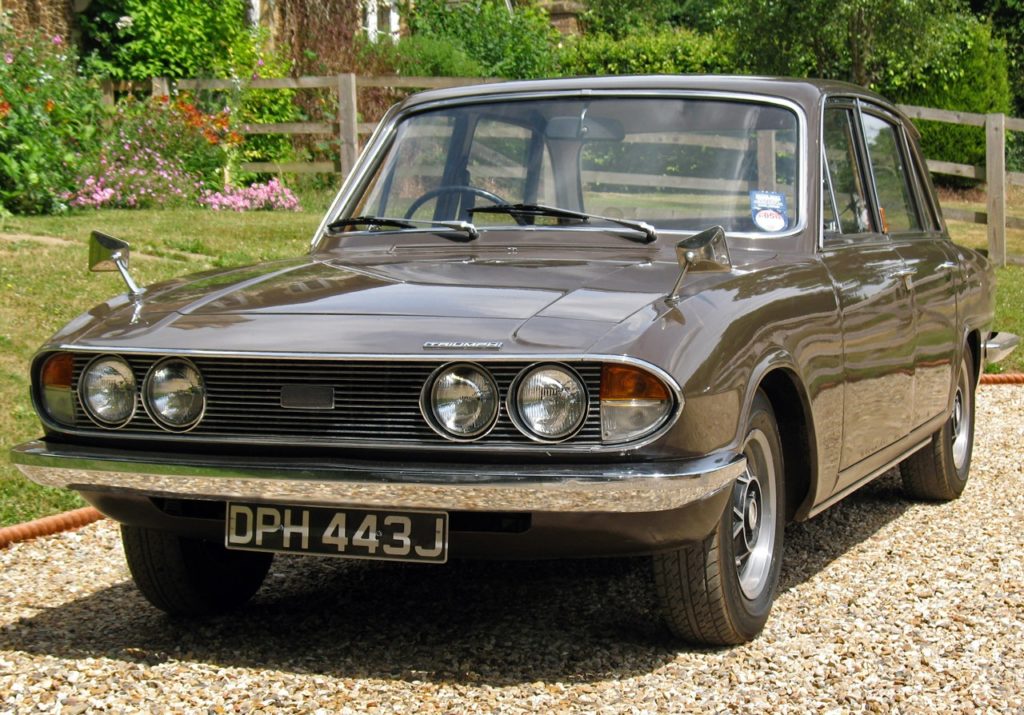
Triumph 2000: Good Design and Strong Performance
The Triumph 2000 was yet another demonstration of the brand’s capabilities. The elegant rear-wheel-drive saloon, which was introduced in late 1963 – a later Mk2 variant is pictured – was a remarkably modern car. It had a smooth 2.0-litre straight-six engine, independent suspension all round, rack-and-pinion steering, front disc brakes and a choice of four-speed manual or three-speed automatic transmissions. You could opt for overdrive on the manual, too, bumping the available ratios to six.
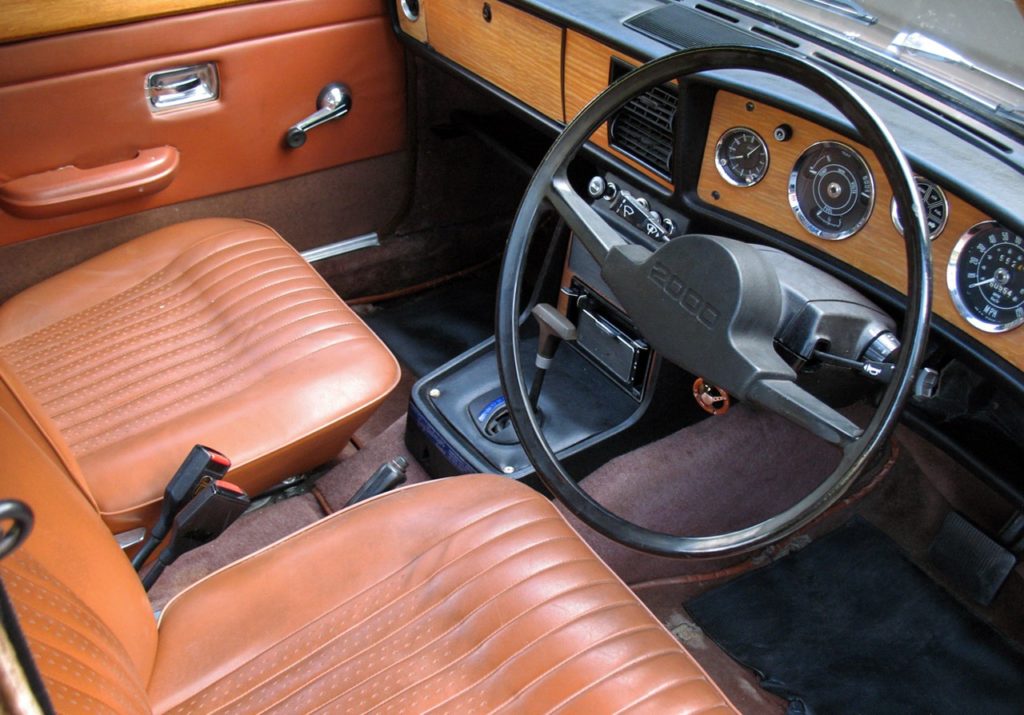
Modern Sporting Saloons That Led the Way
The 2000 weighed in at less than 1,200kg, which further helped it deliver eager performance and good cornering capabilities. Even more impressive was the later 2.5 PI, which arrived in 1968. Its engine, as the badging indicated, had grown to 2.5 litres and, instead of being fed by a pair of carburettors, a mechanical fuel injection system with individual throttle bodies was adopted.
The result was dramatic, with power climbing from 90bhp to 132bhp. Torque was up significantly, too, helping make the big Triumph a true sporting saloon.
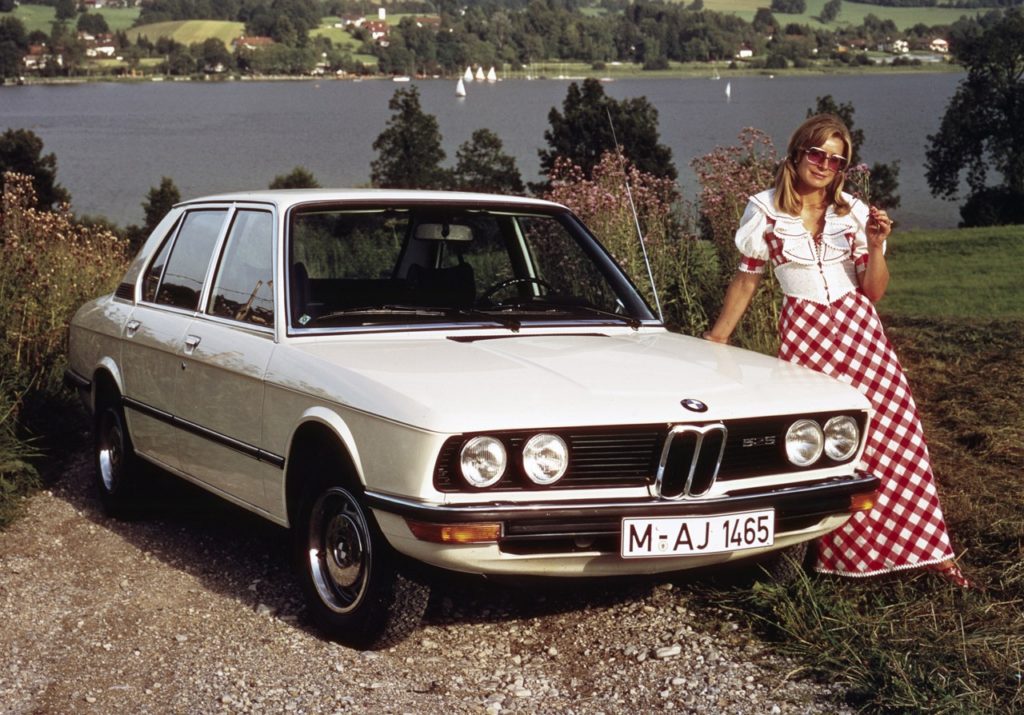
BMW 5 Series: The German Triumph
BMW, the automotive arm of which was still in its comparative infancy in the early 1960s, had launched a similarly sized saloon dubbed the New Class in 1962. That said, it was only offered with four-cylinder engines and the option of fuel injection didn’t arrive until 1969.
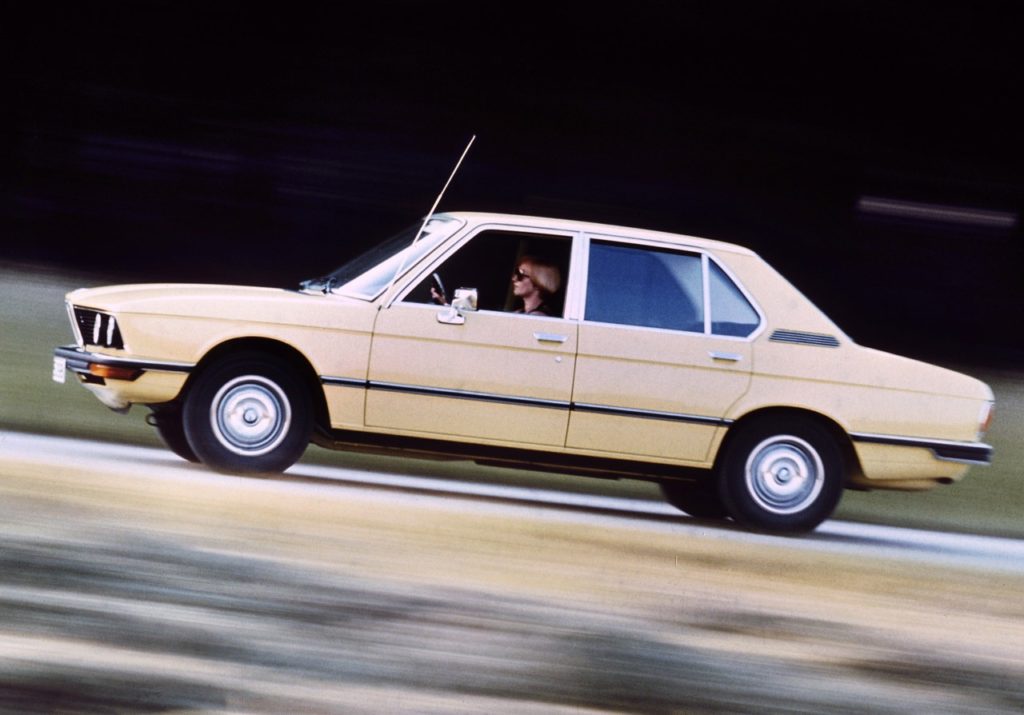
When the first generation of 5 Series made its debut in 1972, however, the similarities to Triumph’s 2000 – and the Mk2 2000 and 2500 variants that succeeded the Mk1 in 1969 – were numerous. Quad headlamps aside, the E12 5 Series was a nigh-on dimensionally identical four-door saloon. BMW also launched a six-cylinder version a year down the line, which featured a dual-carburettor engine much like the Triumph’s entry-level one; fuel-injected versions of the 5 Series wouldn’t arrive until even later.
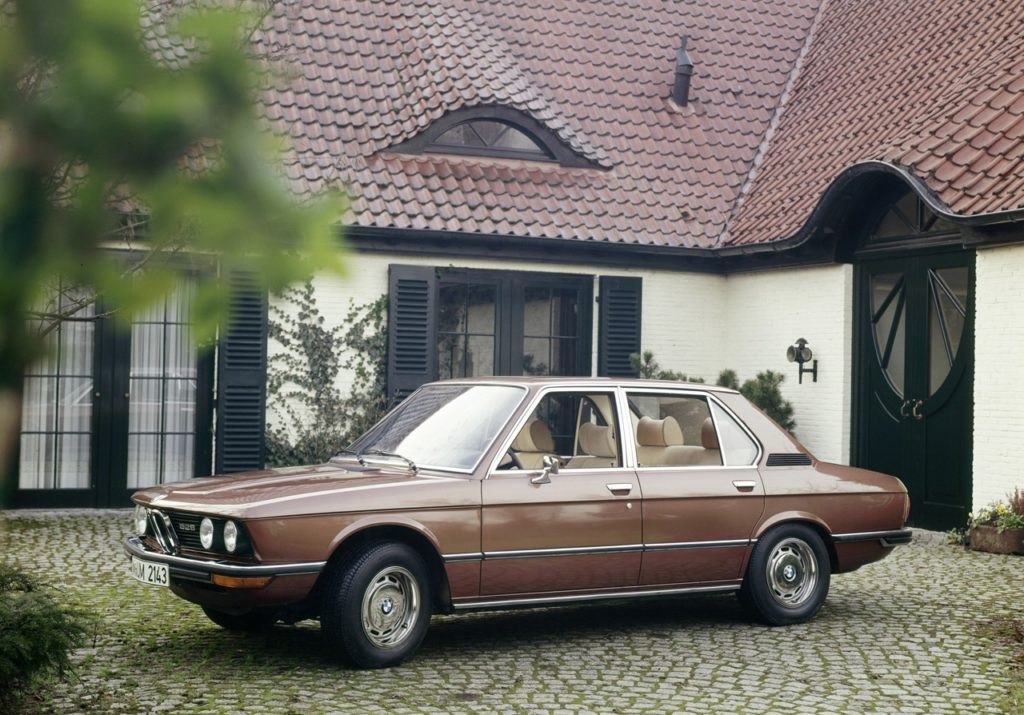
BMW and Triumph: What Could Have Been
The earlier New Class saloons had not been devoid of problems, but the E12 was a far more refined and reliable machine. It was also a sharp and stylish saloon, which was more modern and likely to appeal to a wider audience: in the same way that the Triumph was pitched as a more accessible and interesting alternative to somewhat staid offerings from companies such as Jaguar.
The E12 5 Series helped establish the reputation that BMW would trade on for decades to come. Subsequent generations of 5 Series, among other BMWs, would become renowned for their rear-drive layout, six-cylinder engines and driver-focused nature, echoing the praise often directed at the earlier Triumph. An estate version of the 5 Series didn’t arrive until 1992, either, which was also something Triumph had already done back in 1965.
Such forward thinking from Triumph, alas, was to prove moot. Following the formation of British Leyland in 1968, into which Triumph was merged, the company would suffer with competition from other brands within the organisation. A host of issues, ranging from reliability to ever-shrinking resources, compounded its problems further; ultimately, in 1984, a line was quietly drawn through the Triumph name, which was a terrific shame, given its potential.
Triumph 2000: Setting the Template
In any case, you could argue that the Triumph 2000 established a successful template, which may have steered BMW’s design decisions in an effort to secure itself a stronger foothold during its revival. Had Triumph been given the resources and room required to manoeuvre, BMW might not have had it so easy later on. A second-generation Dolomite could have gone toe-to-toe with the first- and second-generation BMW 3 Series, while a successor to the 2000 could have been a strong rival to BMW’s increasingly popular 5 Series.
There would have admittedly been plenty of hurdles to leap along the way, but Triumph had proven that it could build desirable, exciting and advanced cars; had the company survived, today’s automotive landscape might look somewhat different.
BMW 5 Series: Decades of Success
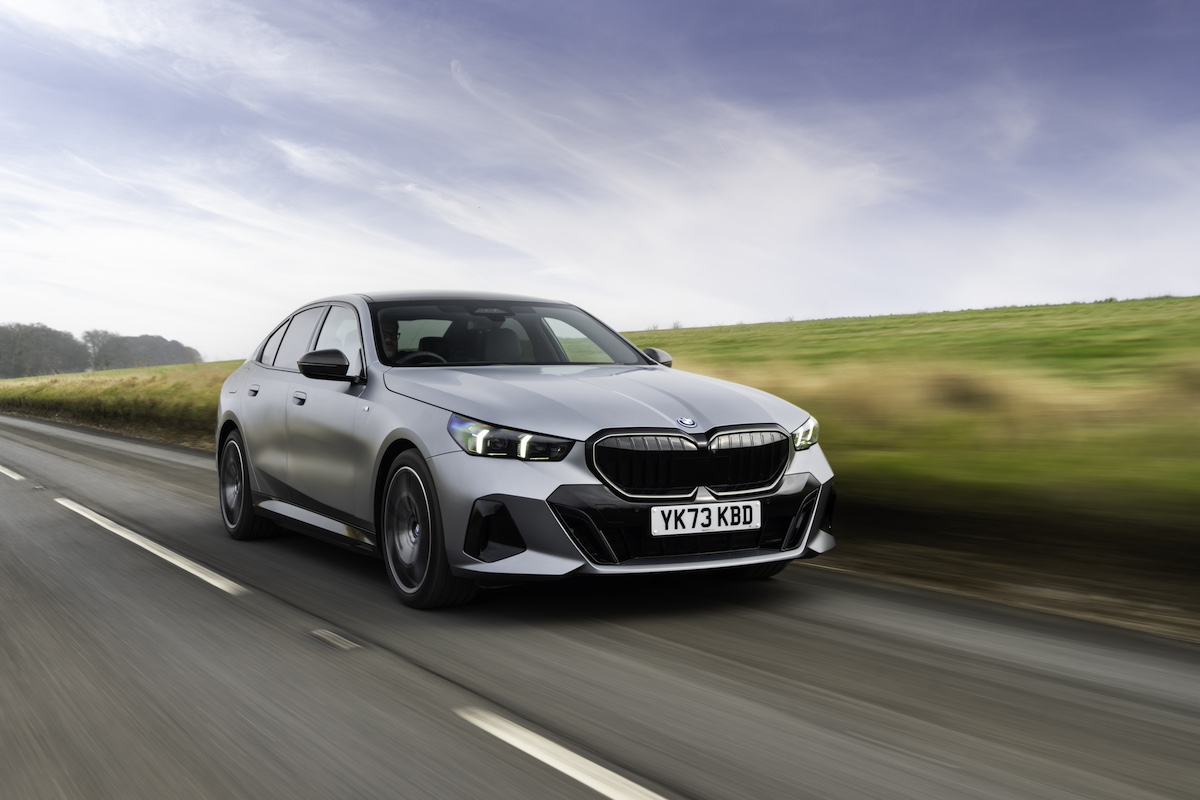
While Triumph's flame would peter out and die, BMW went from strength to strength, its 5 Series model line – along with the smaller 3 Series – evolving to become the very backbone of the company.
By 2024, the Munich-based firm would launch its eighth iteration of the BMW 5 Series, and this time with a fully electric option in the form of the BMW i5. Yet even with an utterly transformed drivetrain and a suite of technologies that the E12 of 1972 would not have been able to even imagine, the essential DNA of this satisfyingly sporty executive saloon remains undimmed.


