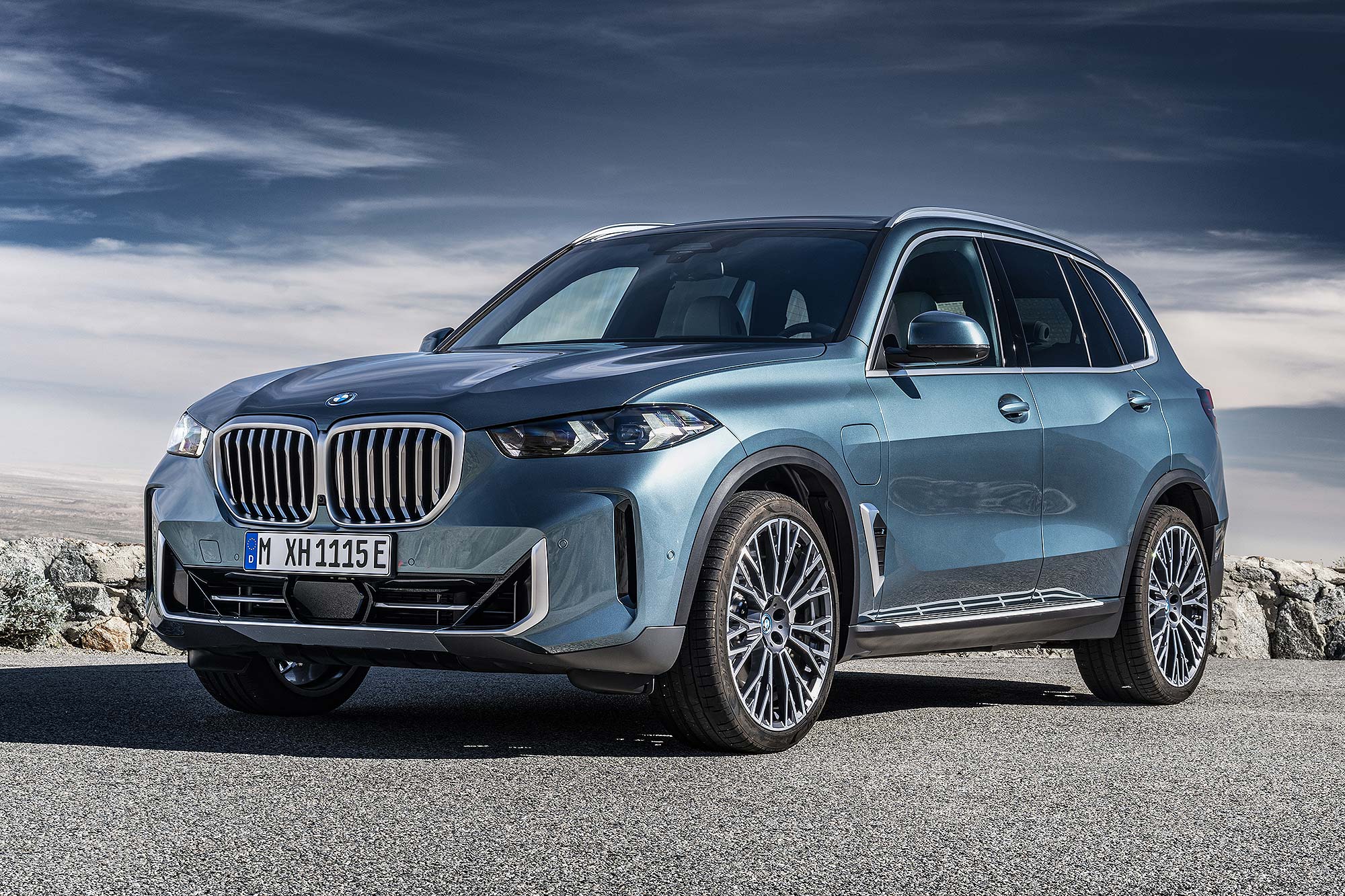
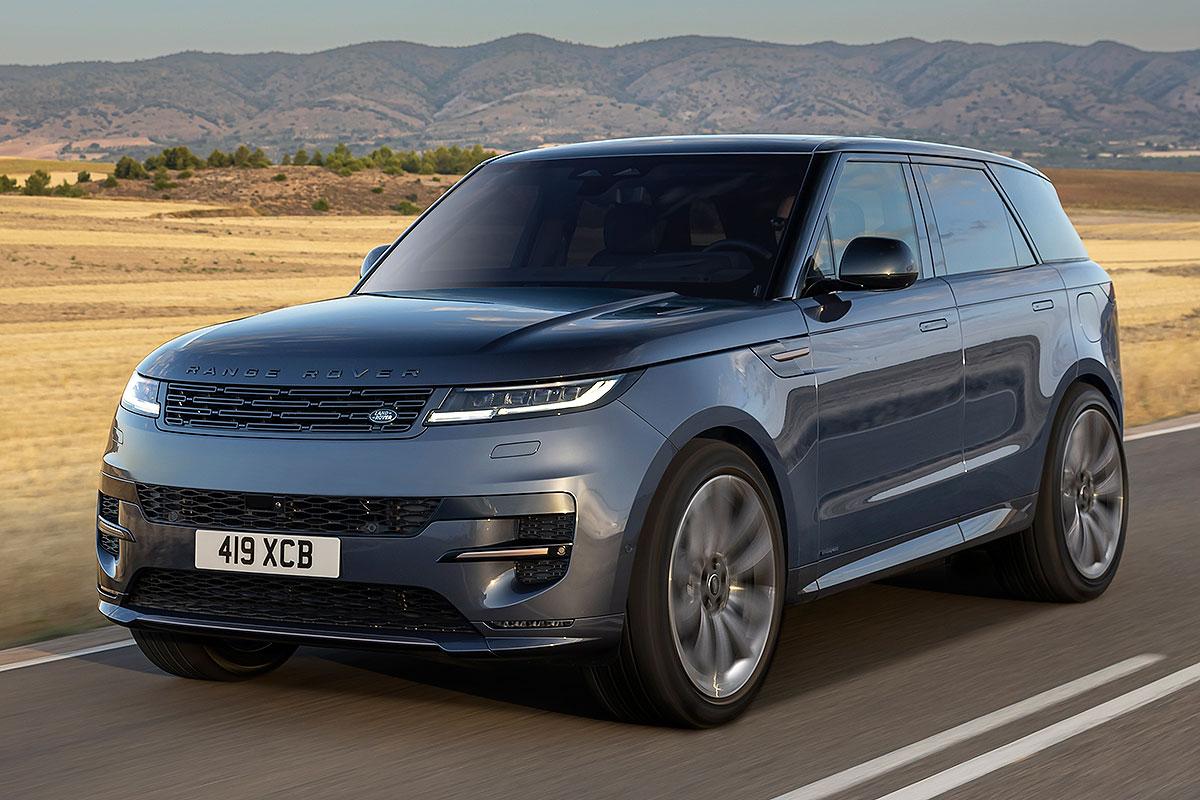
If you're looking for a large, premium SUV, the BMW X5 and Range Rover Sport are likely on your shortlist. Both offer a blend of luxury, performance, and badge appeal, but they go about their business in slightly different ways.
The BMW X5 focuses on sharp driving dynamics and modern technology, while the Range Rover Sport leans into its heritage with a plush, minimalist cabin and a focus on comfort. Both are available with efficient plug-in hybrid powertrains, so which of these luxury SUVs is the right choice for you?
BMW X5 vs Range Rover Sport
Practicality
BMW X5 practicality score: 5/5
Range Rover Sport practicality score: 4/5
The BMW X5 takes the lead here, largely thanks to its versatility. It offers good passenger space and a 650-litre boot. Crucially, non-hybrid versions can be specified with an optional third row of seats, turning the X5 into a handy seven-seater. It also features a practical split tailgate, which is useful for loading awkward items.
The Range Rover Sport is also a spacious SUV, offering plenty of room for rear passengers and a 647-litre boot. However, unlike the previous generation, it is no longer available with seven seats, which might be a drawback for some buyers. It uses a conventional one-piece tailgate, but standard air suspension means you can lower the rear of the car to make loading heavy items easier.
Driving Impressions
BMW X5 driving score: 5/5
Range Rover Sport driving score: 5/5
Both of these SUVs are impressive to drive, earning top marks. For a large vehicle, the BMW X5 feels car-like. It handles corners with predictable body control, yet standard air suspension ensures it remains a comfortable long-distance cruiser. The plug-in hybrid xDrive50e is a strong performer, offering up to 64 miles of electric-only range.
The Range Rover Sport is equally capable, though it prioritises a more relaxed experience. Its ride comfort is plush, soaking up bumps well, yet it still manages to feel poised on a twisty road. Its plug-in hybrid models offer an electric range of up to 71.5 miles. Both cars offer smooth six-cylinder diesels and potent V8s, providing plenty of choice.
Technology and Equipment
BMW X5 technology and equipment score: 5/5
Range Rover Sport technology and equipment score: 4/5
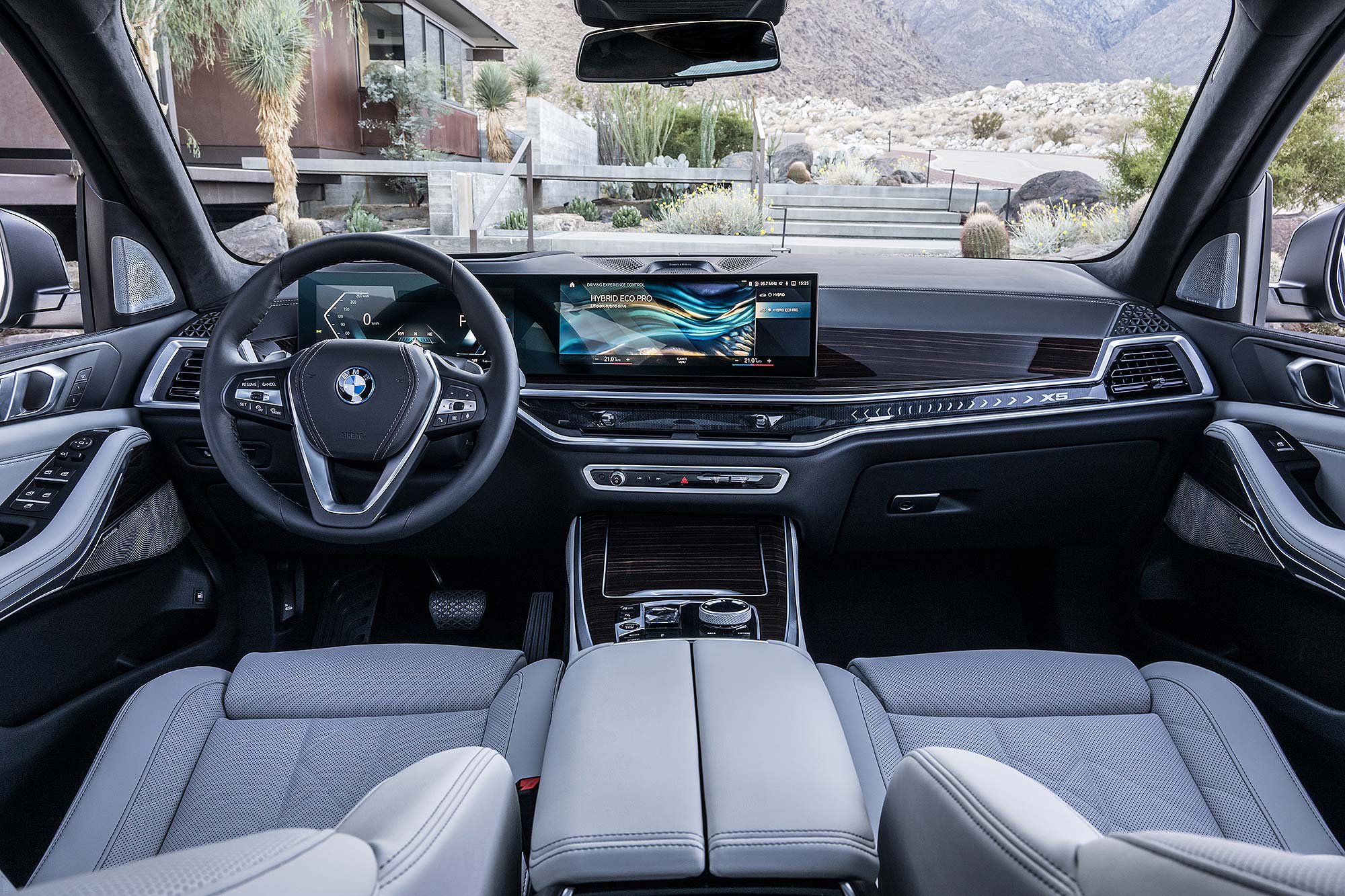
The BMW X5 comes well-equipped right out of the box. Its cabin features a curved digital dashboard that combines a 14.9-inch touchscreen with a 12.3-inch driver display. The system is responsive and packed with features. Even the entry-level xLine trim includes adaptive LED headlights, air suspension, and wireless phone charging.
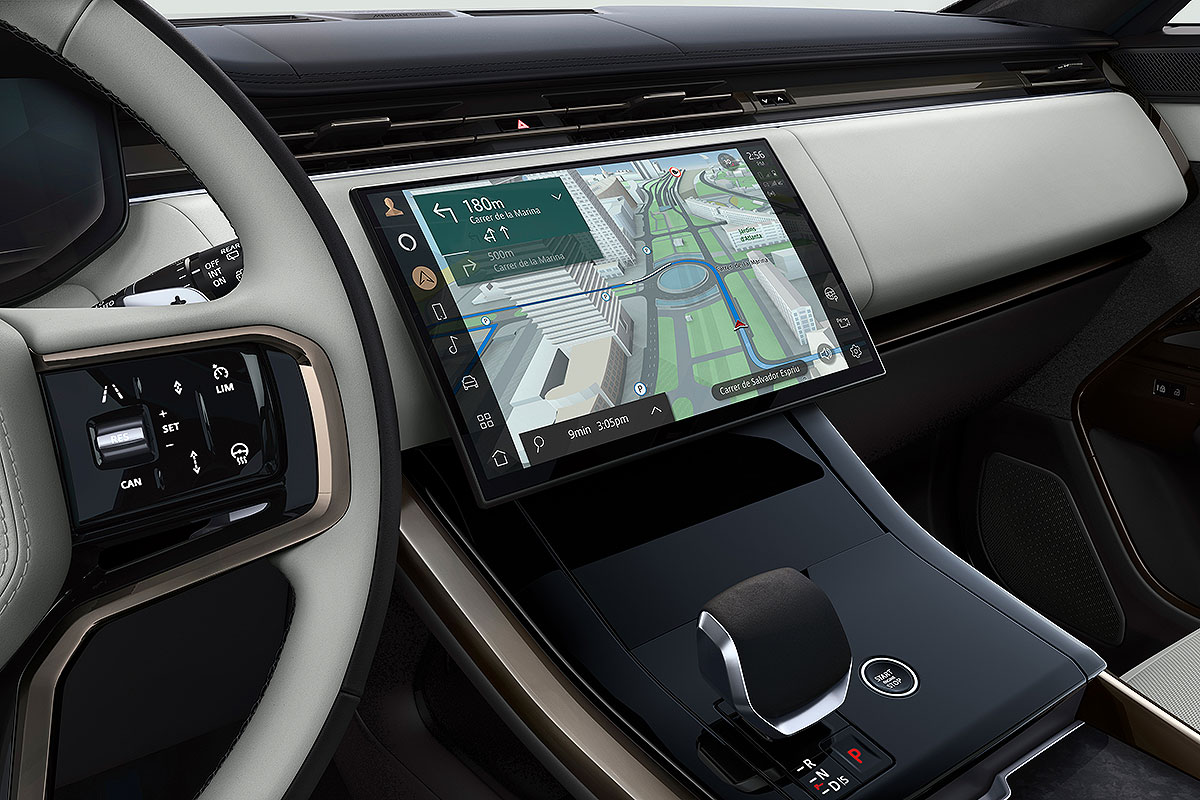
The Range Rover Sport counters with a 13.1-inch touchscreen running Land Rover’s Pivi Pro software. It looks sharp and features wireless Apple CarPlay and Android Auto. However, Land Rover has integrated the climate controls into the screen, which makes the cabin look minimalist but is slightly less intuitive to use on the move than physical dials.
Running Costs
BMW X5 running costs score: 3/5
Range Rover Sport running costs score: 4/5
Neither of these luxury SUVs will be cheap to run. The BMW X5 scores slightly lower here, largely due to the high running costs of its petrol and V8 models. However, the plug-in hybrid xDrive50e is efficient for company car drivers, and BMW offers fixed-price servicing packages to help budget for maintenance.
The Range Rover Sport manages a slightly higher score, helped by strong residual values that can offset the high initial purchase price. Its diesel mild-hybrid engines offer reasonable fuel economy for a car of this size, and the plug-in hybrids can deliver low daily running costs if you charge them regularly.
CarGurus Buyer Insights
|
BMW X5 |
Range Rover Sport |
| CarGurus expert rating |
5 out of 5 |
4 out of 5 |
| CarGurus user rating |
4.3 out of 5 |
4.8 out of 5 |
| Percentage of good/great deals available on CarGurus* |
33.1% |
31.9% |
| Overall CarGurus rating |
4.5 out of 5 |
4.5 out of 5 |
The Verdict
BMW X5 Overall CarGurus rating: 4.5/5
Range Rover Sport Overall CarGurus rating: 4.5/5
Choosing between the BMW X5 and the Range Rover Sport is difficult, as both are highly capable luxury SUVs. In fact, they are so closely matched that they share an identical Overall CarGurus rating of 4.5 out of 5, resulting in a tie.
The BMW X5 is the pragmatic choice. It scores a perfect five out of five from our experts, offers the option of seven seats, and boasts a slightly more user-friendly infotainment setup. It also has a marginally higher percentage of good and great deals available.
The Range Rover Sport, on the other hand, fights back with a higher user rating and a cabin that feels special. If you want relaxed cruising and don't need a third row of seats, it is a solid option. Ultimately, your decision will likely come down to whether you prefer the sporty edge of the BMW or the minimalist luxury of the Range Rover.
BMW X5 Pros and Cons
| Pros |
Cons |
| Far more enjoyable to drive than most large SUVs |
Not as capable off road as a Land Rover Discovery |
| Brilliant plug-in hybrid version |
Petrols in particular are expensive to run |
| Staggering performance of X5 M |
Not everyone will take to the styling |
Range Rover Sport Pros and Cons
| Pros |
Cons |
| Fantastically luxurious interior |
Question marks over brand reliability |
| Great to drive on and off road |
No seven-seat option |
| Impressive EV range for PHEV models |
Higher-spec models are very pricey |
*The Overall CarGurus rating: that informs these recommendations is based on CarGurus' proprietary market data from June 2026, CarGurus expert reviews, and CarGurus user reviews.
Read Our Full Reviews: