If you're looking for a premium electric car that isn't a Tesla, you have some interesting alternatives. Two of the most notable options are the Hyundai Ioniq 5 and the Polestar 2. They both occupy a similar price point but take completely different approaches to the modern EV.
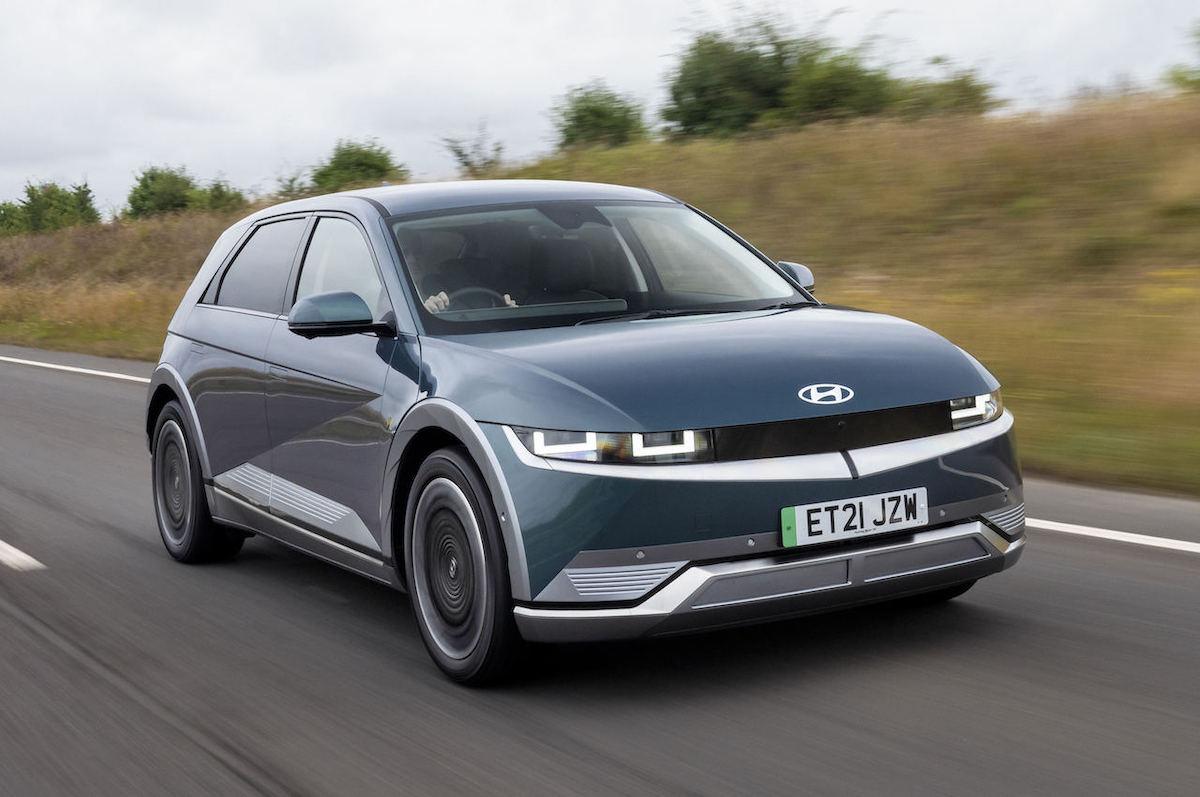
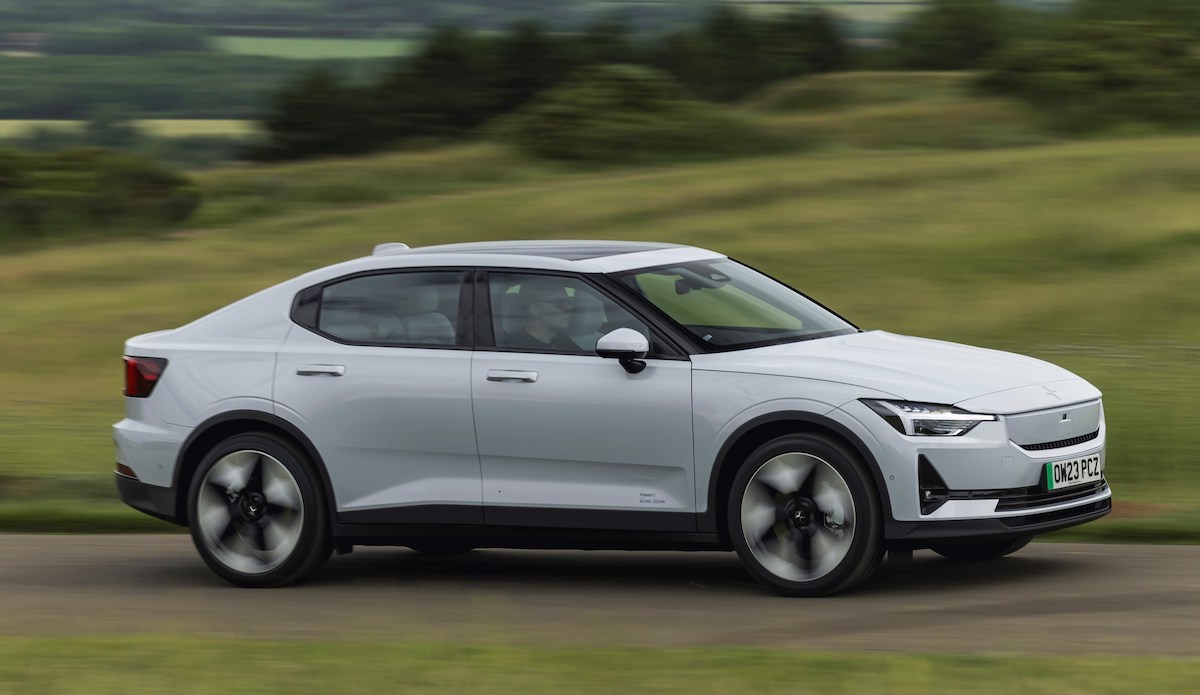
The Ioniq 5 is a masterclass in packaging, offering the space of a large SUV within a striking, retro-futuristic hatchback design. The Polestar 2, born from Volvo's performance division, is a sleek fastback that focuses on minimalist design, a high-quality cabin, and an engaging driving experience. Both offer long ranges and fast charging, so which one is the right fit for you?
Hyundai Ioniq 5 vs Polestar 2
Practicality
Hyundai Ioniq 5 practicality score: 5/5
Polestar 2 practicality score: 3/5
This is where the Hyundai Ioniq 5 establishes a clear lead. Thanks to its long wheelbase and flat floor, the cabin is enormous, offering limousine-like legroom for rear passengers. Those back seats also slide and recline, making it easy to get comfortable. The boot is a substantial 527 litres, which is more than you'll find in many family SUVs.
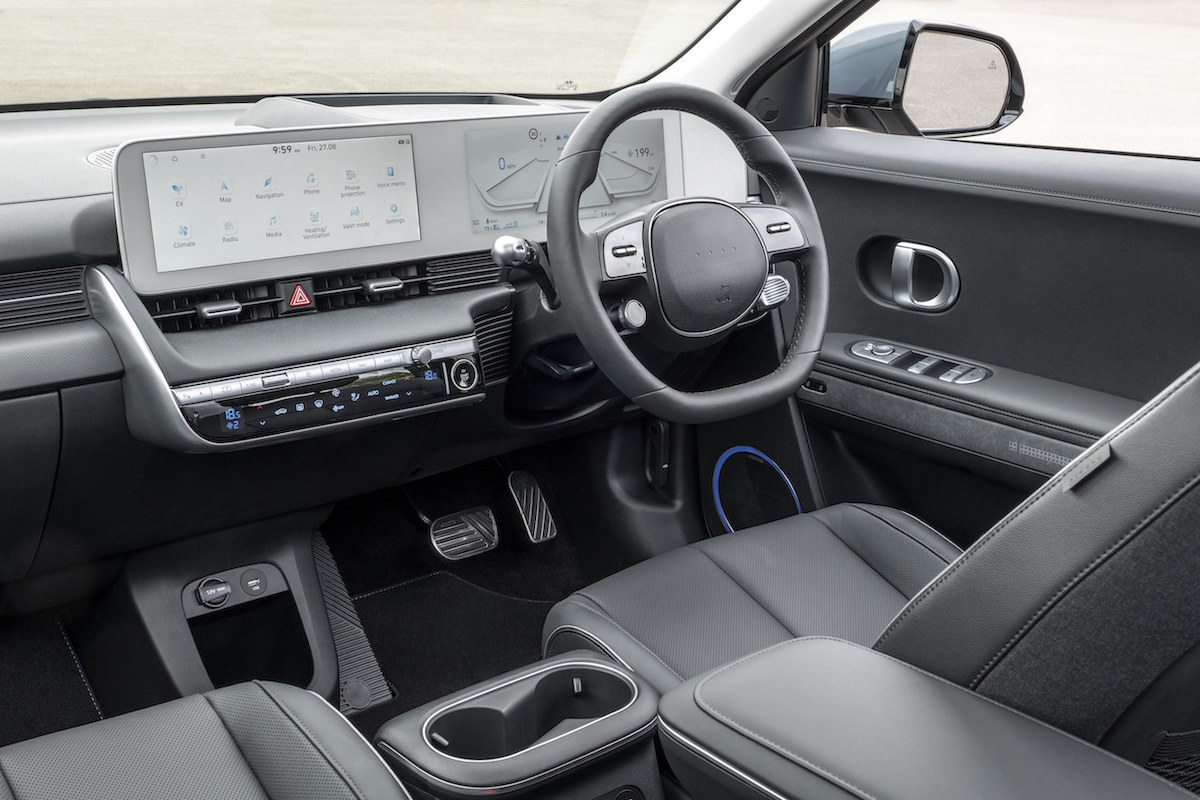
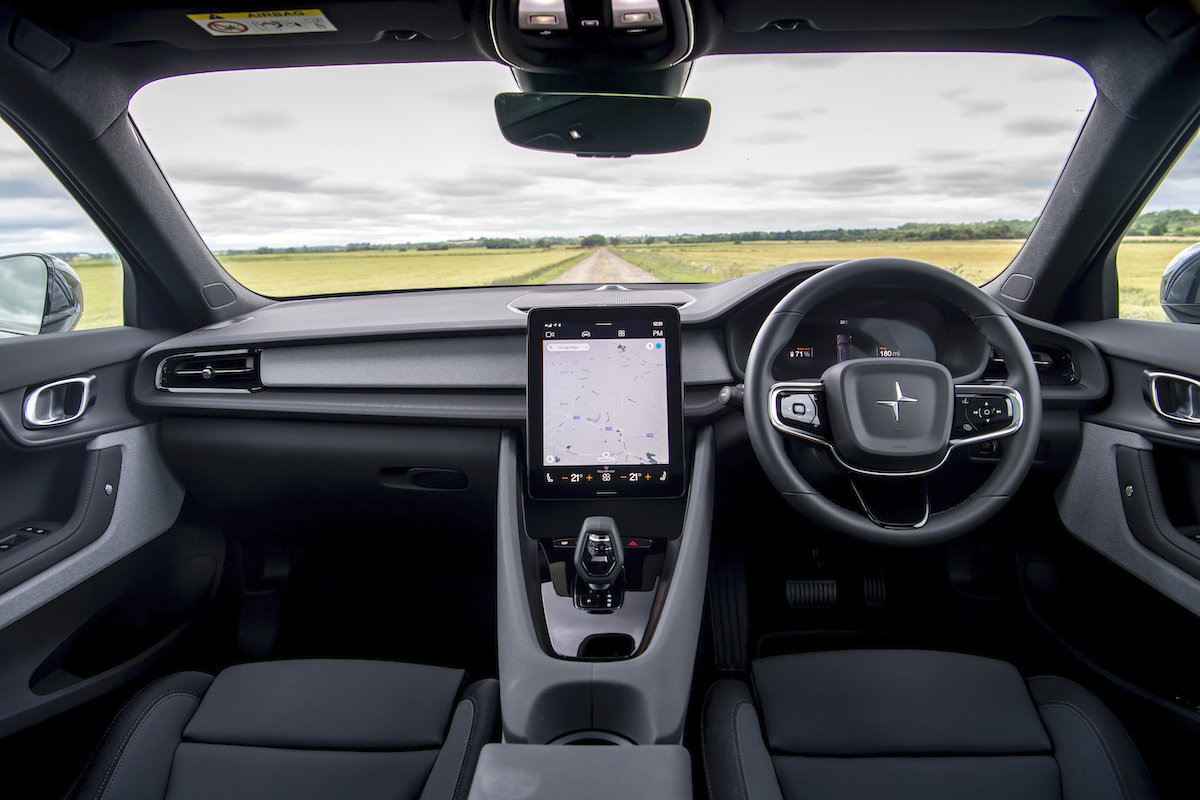
The Polestar 2 is more of a conventional fastback. Rear passenger space is adequate, but it can't compete with the Hyundai's airy feel, and the 405-litre boot is significantly smaller. Where the Polestar fights back is on cabin quality. The fit, finish, and materials feel more premium than in the Ioniq 5, with a sophisticated, minimalist design. For families who need maximum space, the Ioniq 5 is the obvious winner, but the Polestar offers enough practicality for most, wrapped in a higher-quality package.
Driving Impressions
Hyundai Ioniq 5 driving score: 4/5
Polestar 2 driving score: 4/5
The Ioniq 5 is engineered for comfort and relaxation. The steering is light, the ride is generally smooth, and it's a quiet and serene car for covering long distances. It doesn't encourage you to press on down a B-road, feeling a little soft when pushed, but as a comfortable cruiser, it's good. Performance is brisk, with even the entry-level models feeling plenty quick enough for daily driving.
The Polestar 2 offers a more engaging experience. The steering is sharper and the handling is more composed, making it feel more agile and responsive than the Hyundai. It combines this with a supple ride that soaks up bumps well, arguably better than the Ioniq 5. Performance is strong across the range, with the twin-motor version being genuinely rapid. If you prioritise a comfortable, easy-going drive, the Ioniq 5 is ideal. If you want a bit more driver involvement, the Polestar has the edge.
Technology and Equipment
Hyundai Ioniq 5 technology and equipment score: 5/5
Polestar 2 technology and equipment score: 4/5
Hyundai is known for its generous standard equipment, and the Ioniq 5 is no exception. Even the entry-level model comes with twin 12-inch screens, adaptive cruise control, a reversing camera, and a full suite of safety systems. Wireless Apple CarPlay and Android Auto are also included. Higher trims add more luxuries, but you never feel short-changed in the base model.
The Polestar 2's trump card is its infotainment system. It was one of the first cars to use Google's Android Automotive OS, and it remains one of the best systems on the market. The integration of Google Maps and Google Assistant is seamless and intuitive. The standard equipment list is solid, but many desirable features like a panoramic roof and advanced driver aids are bundled into optional packs, which can push the price up.
Running Costs
Hyundai Ioniq 5 running costs score: 5/5
Polestar 2 running costs score: 4/5
As with any electric car, if you can charge at home on an off-peak tariff, both the Ioniq 5 and Polestar 2 will be cheap to run. The Ioniq 5's real-world efficiency is decent, translating to a practical range of between 200 and 270 miles depending on the battery. Hyundai also provides a five-year, unlimited-mileage warranty, which is good for peace of mind.
The Polestar 2 offers a longer potential range, with some models capable of up to 406 miles on a single charge. This reduces the reliance on the public charging network, which can be expensive. Polestar's warranty is a more conventional three years and 60,000 miles, which is less generous than Hyundai's. Both cars offer significant savings over petrol or diesel equivalents, but the Ioniq 5's longer warranty and strong value proposition give it a slight advantage.
CarGurus Buyer Insights
|
Hyundai Ioniq 5 |
Polestar 2 |
| CarGurus expert rating |
5 out of 5 |
4 out of 5 |
| CarGurus user rating |
5.0 out of 5 |
0.0 out of 5 |
| Percentage of good/great deals available on CarGurus* |
24.4% |
33.9% |
| Overall CarGurus rating |
4.4 out of 5 |
3.9 out of 5 |
The Verdict
Hyundai Ioniq 5 Overall CarGurus rating: 4.4/5
Polestar 2 Overall CarGurus rating: 3.9/5
While both cars are strong contenders in the premium EV space, the Hyundai Ioniq 5 takes the win in this comparison. Our CarGurus Buyer Insights show it has a higher overall rating, backed up by perfect scores from both our experts and users.
Its combination of standout design, incredible interior space, and generous standard equipment is hard to argue with. It's a practical and comfortable family car that also happens to be one of the most stylish EVs on the road. The five-year warranty is another significant bonus.
That's not to say the Polestar 2 isn't a desirable car. If you value a premium-feeling cabin, a more engaging driving experience, and class-leading infotainment, it's a good choice. Its longer potential range is also a major draw. However, as an all-round package that balances style, space, and value, the Hyundai Ioniq 5 is the clear winner.
Hyundai Ioniq 5 Pros and Cons
| Pros |
Cons |
| Huge and versatile interior space |
Driving experience prioritises comfort over fun |
| Striking retro-futuristic design |
Some interior plastics feel a bit cheap |
| Generous standard equipment levels |
Ride can be unsettled on rough roads |
Polestar 2 Pros and Cons
| Pros |
Cons |
| High-quality, minimalist interior |
Less practical than the Ioniq 5 |
| Excellent Google-based infotainment |
Rear visibility is limited |
| Engaging and composed handling |
Desirable features are in pricey option packs |
*The Overall CarGurus rating that informs these recommendations is based on CarGurus' proprietary market data from June 2026, CarGurus expert reviews, and CarGurus user reviews.
Read Our Full Reviews: