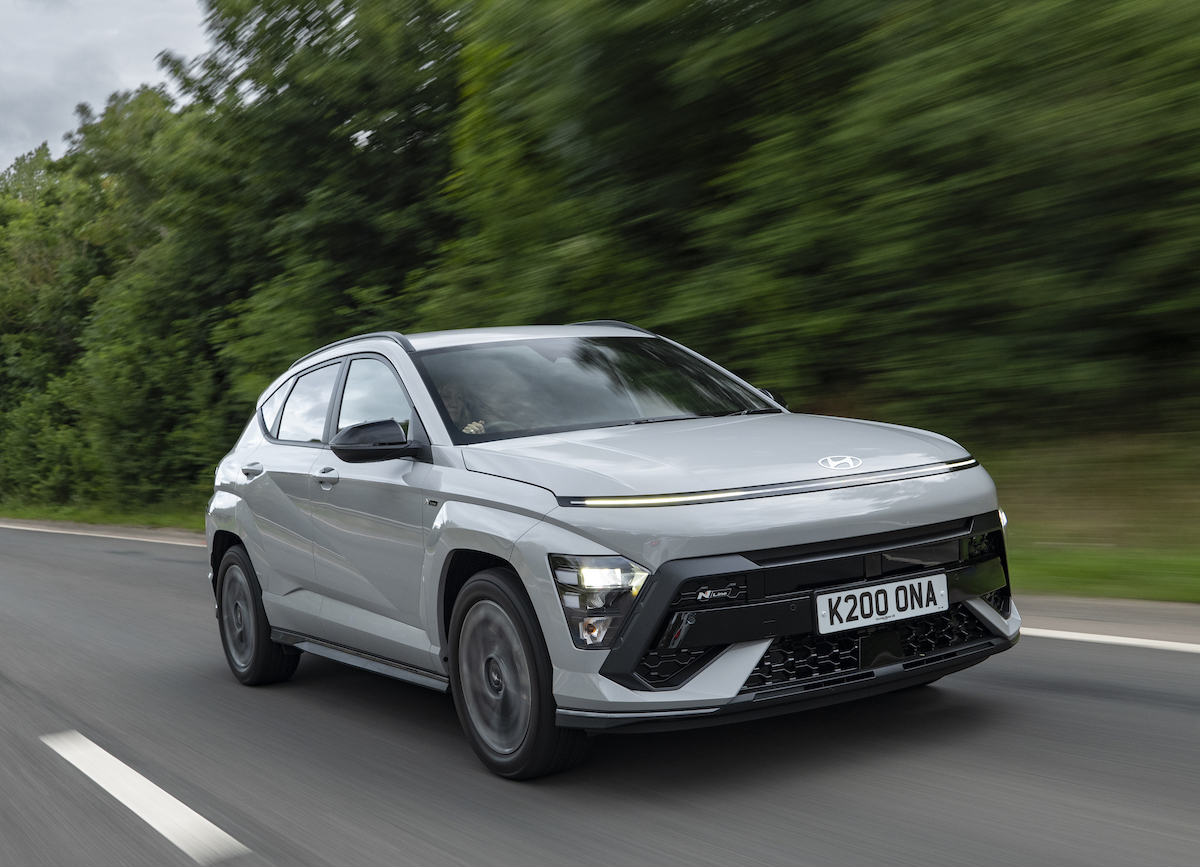
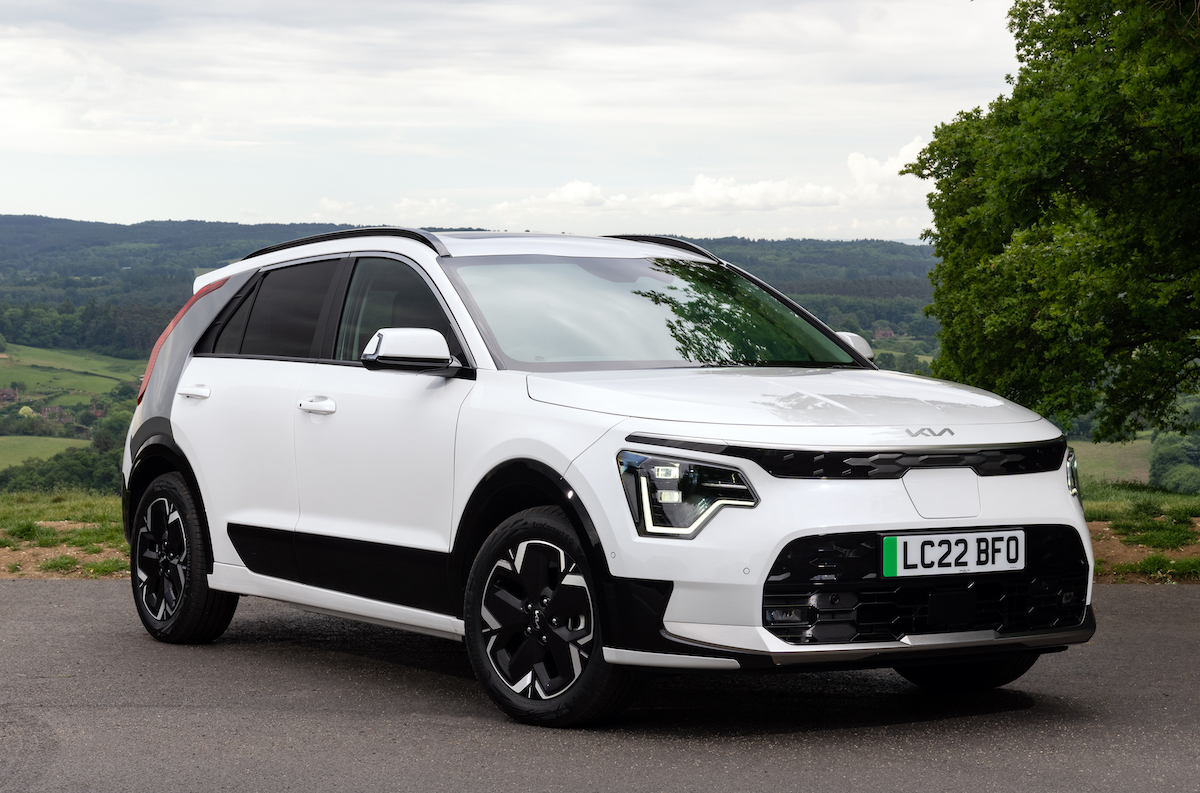
If you're in the market for a compact crossover with electrified power, the Hyundai Kona and Kia Niro are two strong contenders from the same family. While they share underpinnings and technology, they've been designed to appeal to different buyers.
The Kona offers bold, distinctive styling and a more SUV-like stance, while the Niro takes a sleeker, more aerodynamic approach with its crossover design. Both come with efficient hybrid powertrains, so which of these Korean siblings is the better choice for your needs?
Hyundai Kona vs Kia Niro
Practicality
Hyundai Kona practicality score: 3/5
Kia Niro practicality score: 4/5
Both of these crossovers are designed with everyday usability in mind, but they approach practicality differently. The Hyundai Kona has grown with its latest generation, offering a more spacious cabin than before. Front seat passengers will find plenty of room, and the rear seats are adequate for adults on shorter journeys. Boot space is reasonable, though the higher floor on hybrid models does eat into luggage capacity somewhat.
The Kia Niro has the edge when it comes to outright practicality. Its slightly longer wheelbase translates to better rear legroom, making it more comfortable for back-seat passengers on longer trips. The boot is also more generous, with a flatter load floor that makes loading and unloading easier. For families or those who regularly carry passengers and luggage, the Niro's more practical layout gives it a clear advantage in this category.
Driving Impressions
Hyundai Kona driving score: 4/5
Kia Niro driving score: 3/5
Neither of these cars is designed to set pulses racing, but they both offer competent and comfortable driving experiences. The Hyundai Kona feels the more engaging of the two behind the wheel. Its steering is well-weighted and responsive, and the chassis offers a good balance between comfort and control. The hybrid powertrain delivers smooth, adequate performance for everyday driving, and the car feels nimble around town.
The Kia Niro prioritises comfort over sportiness. Its ride is composed and settled, making it a relaxing motorway cruiser. The steering is light and easy, which suits urban driving but can feel a little disconnected on faster roads. The hybrid system works seamlessly, though acceleration is leisurely rather than brisk. For those who value a calm, stress-free driving experience, the Niro delivers, but the Kona offers a slightly more rewarding drive for those who enjoy being behind the wheel.
Technology and Equipment
Hyundai Kona technology and equipment score: 4/5
Kia Niro technology and equipment score: 4/5
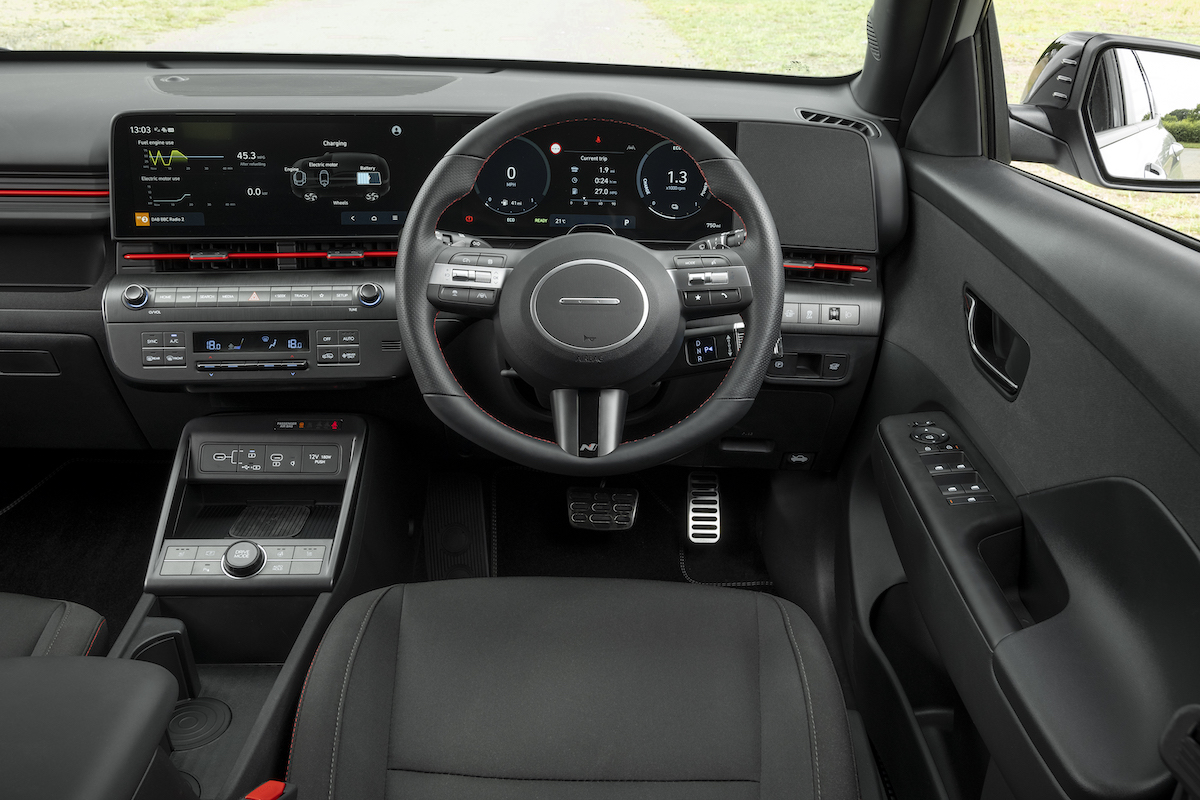
Hyundai and Kia have built strong reputations for generous standard equipment, and both the Kona and Niro continue that tradition. The Hyundai Kona comes well-equipped with a digital driver's display, a large touchscreen infotainment system, and a comprehensive suite of safety features. Apple CarPlay and Android Auto are standard, and higher trim levels add luxuries like a head-up display and premium audio.
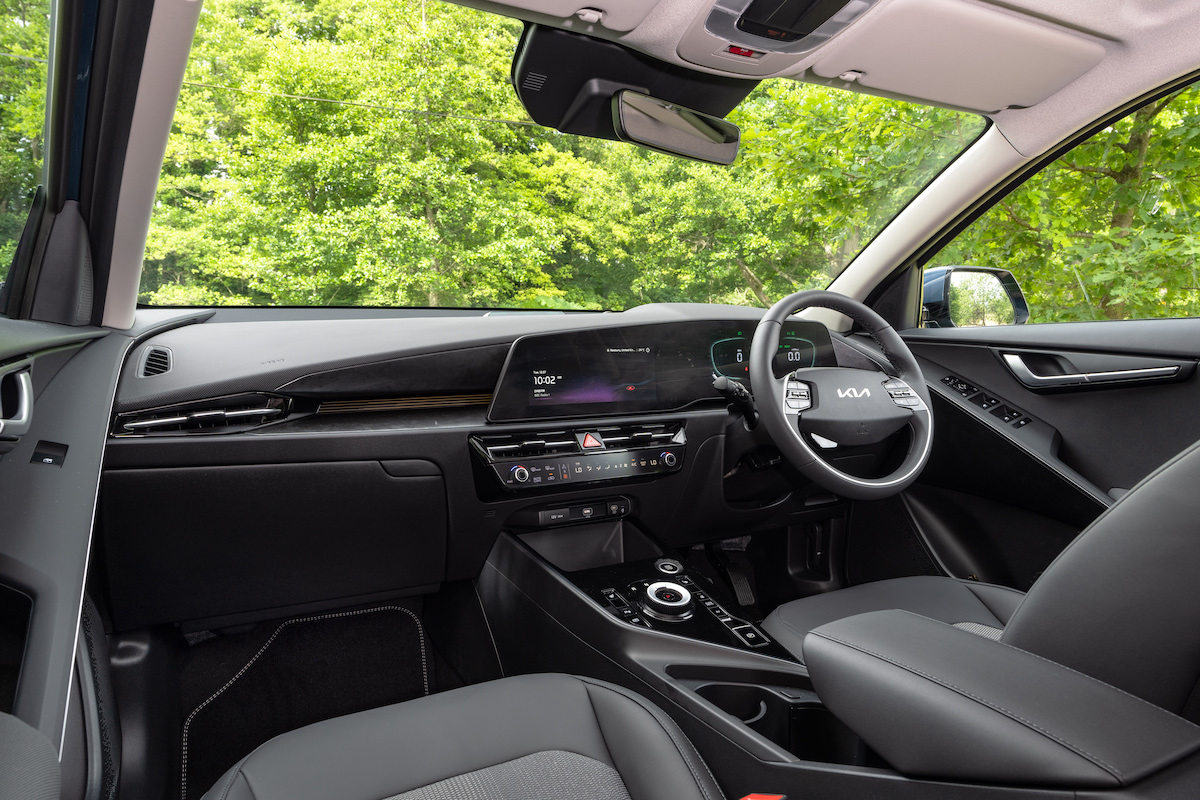
The Kia Niro matches the Kona's generosity. Its interior features a similar dual-screen layout, with intuitive software and good connectivity options. The Niro also benefits from Kia's thoughtful approach to sustainability, with recycled materials used throughout the cabin. Both cars offer excellent technology for their class, making this category a draw. Your choice may come down to which brand's interface you prefer.
Running Costs
Hyundai Kona running costs score: 4/5
Kia Niro running costs score: 5/5
As hybrid vehicles, both the Kona and Niro offer the potential for low fuel bills. Real-world economy figures are strong for both, with careful drivers able to achieve good mpg numbers, particularly in urban driving where the hybrid systems work most effectively. Insurance and servicing costs are competitive for both models.
The key differentiator in running costs is the warranty. Hyundai offers a five-year, unlimited-mileage warranty, which is generous by industry standards. However, Kia trumps this with its famous seven-year, 100,000-mile warranty. This extra two years of coverage provides significant peace of mind, particularly for used car buyers who may still have several years of warranty remaining. This long-term protection gives the Niro a notable advantage in the running costs category.
CarGurus Buyer Insights
|
Hyundai Kona |
Kia Niro |
| CarGurus expert rating |
3 out of 5 |
4 out of 5 |
| CarGurus user rating |
4.8 out of 5 |
5.0 out of 5 |
| Percentage of good/great deals available on CarGurus* |
35.7% |
35.8% |
| Overall CarGurus rating |
4.3 out of 5 |
4.4 out of 5 |
The Verdict
Hyundai Kona Overall CarGurus rating: 4.3/5
Kia Niro Overall CarGurus rating: 4.4/5
Choosing between the Hyundai Kona and Kia Niro is a close call, as both are well-rounded compact crossovers with efficient hybrid powertrains. They share much of their underlying technology and offer similar levels of equipment and refinement.
However, based on our CarGurus Buyer Insights, the Kia Niro takes the win. It scores higher with our experts, has a perfect user rating, and offers a slightly better percentage of good deals on CarGurus. The Niro's superior practicality, with its more spacious rear seats and larger boot, makes it the better choice for families. Add in Kia's industry-leading seven-year warranty, and the Niro presents a package that's hard to beat.
That said, the Hyundai Kona remains a strong alternative. If you prefer its bolder styling and slightly more engaging driving experience, it's still a solid choice. But as an overall proposition, the Kia Niro's blend of practicality, quality, value, and long-term peace of mind give it the edge in this closely fought comparison.
Hyundai Kona Pros and Cons
| Pros |
Cons |
| Distinctive, bold styling |
Less spacious than the Niro |
| Engaging driving experience |
Shorter warranty than Kia |
| Well-equipped interior |
Rear seat space is tight for adults |
Kia Niro Pros and Cons
| Pros |
Cons |
| Industry-leading seven-year warranty |
Less engaging to drive |
| Spacious and practical interior |
Styling is less distinctive |
| Excellent user ratings |
Acceleration is leisurely |
*The Overall CarGurus rating that informs these recommendations is based on CarGurus' proprietary market data from June 2026, CarGurus expert reviews, and CarGurus user reviews.
Read Our Full Reviews: