When Mitsubishi left the UK market in 2021, how many of us thought it would return? How many of us even noticed it had gone? Well, after a five-year sabbatical it’s back. This is good news, I think. Variety is the spice of life and all that, and there are surely plenty of Mitsubishi owners and fans out there that are pleased – if somewhat surprised – by it.
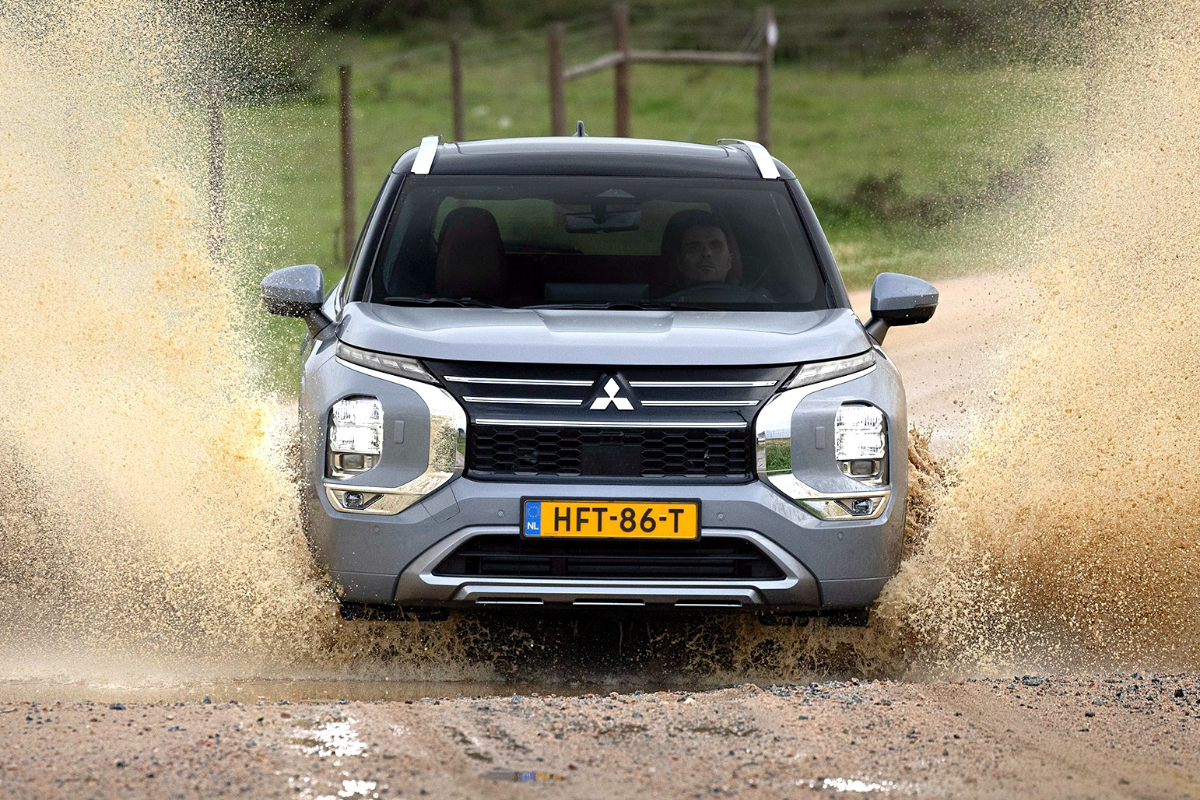
The relaunch is a ‘soft launch’, with just two models initially available – the Outlander PHEV and L200 pickup. Both are all-new versions of what were two of Mitsubishi’s biggest-selling models here. You might think that’s damning them with faint praise, but the Outlander PHEV was the UK’s top-selling plug-in hybrid for a number of years and the L200 hovered near the top of the pickup sales charts for a couple of decades. Mitsubishi’s overall UK sales, though, dropped steadily after peaking in the late nineties and early noughties.
So what went wrong? Well, by the late 2010s Mitsubishi’s line-up didn’t do it any favours. The Mirage, ASX and Outlander were long in the tooth, while the L200 faced more – and better – rivals than ever. The SUV based on it, the Shogun Sport, was never really suited to UK buyers. Only the Eclipse Cross – a compact-ish crossover – was truly in tune with the times, but it was hampered by poor fuel economy and high prices.
The bigger picture was that, globally, Mitsubishi had been struggling financially for years. The vultures were circling, and in 2016 Nissan acquired a controlling 34% stake in the company, making it part of the existing Renault-Nissan Alliance. Internal restructuring followed, as did the Covid pandemic and increasingly strict emissions regulations. All of which resulted in Mitsubishi pulling out of European countries to focus on more profitable markets in Asia and Australia. When UK sales stopped in 2021, the Colt Car Company (official importer of Mitsubishi cars since 1974) sold the aftersales business to International Motors, long-time importer of Isuzu and Subaru cars to the UK, and more recently Chinese brands GWM and Xpeng.
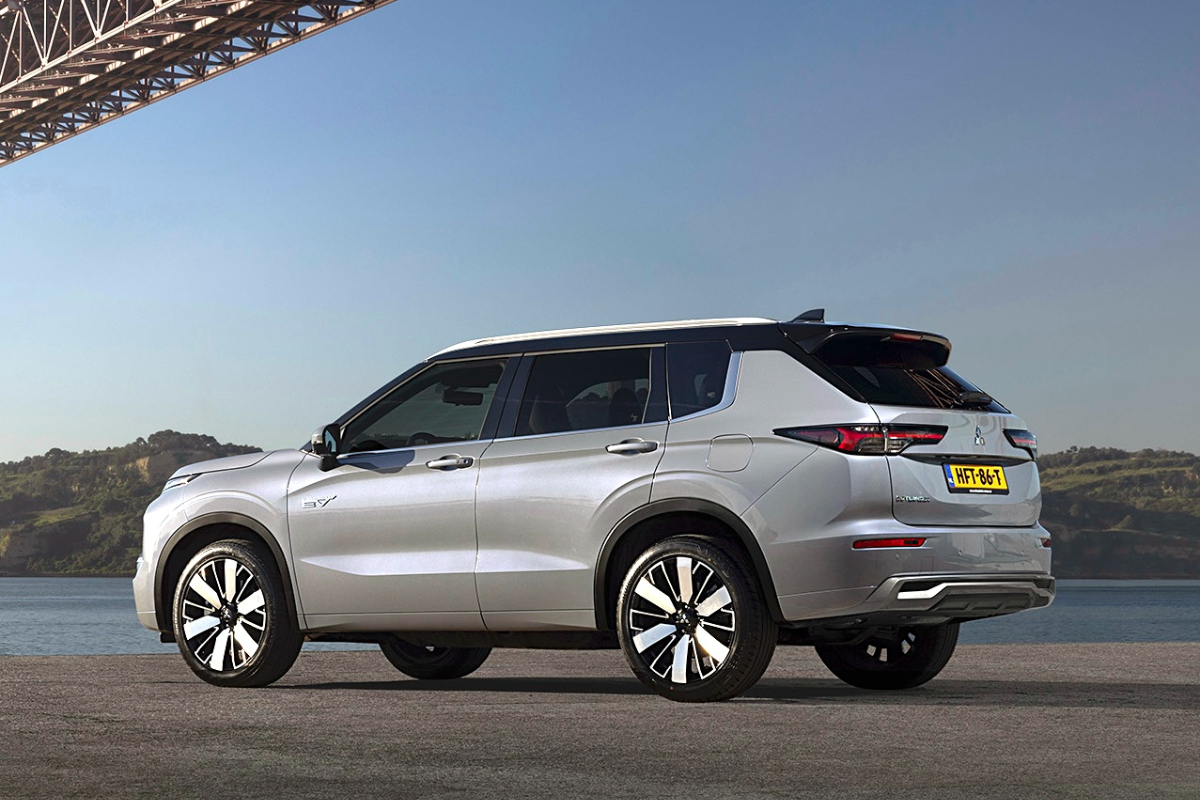
So why start selling new cars in the UK again? Well, since 2023 Mitsubishi has slowly returned to some European markets with a range of models that are essentially rebadged Renaults: the Colt (a rebadged Clio), ASX (a rebadged Captur), Eclipse Cross (a rebadged Symbioz) and Grandis (a rebadged Scenic). In early 2025, the latest Outlander PHEV (on sale in the US since 2022) was introduced to Europe. It’s a Mitsubishi creation, albeit one that shares its basic platform with the Nissan X-Trail. The latest L200, available in international markets since 2024, is reaching the UK at the same time as it hits showrooms across Europe.
Mitsubishi does have a committed following in the UK. Its cars have always had a good reputation for reliability, and in 2012 the Mitsubishi Lancer was named ‘most reliable car of the past 15 years’ by Warranty Direct. Mitsubishi is also a brand that’s never been particularly fashionable, and therefore never particularly unfashionable.
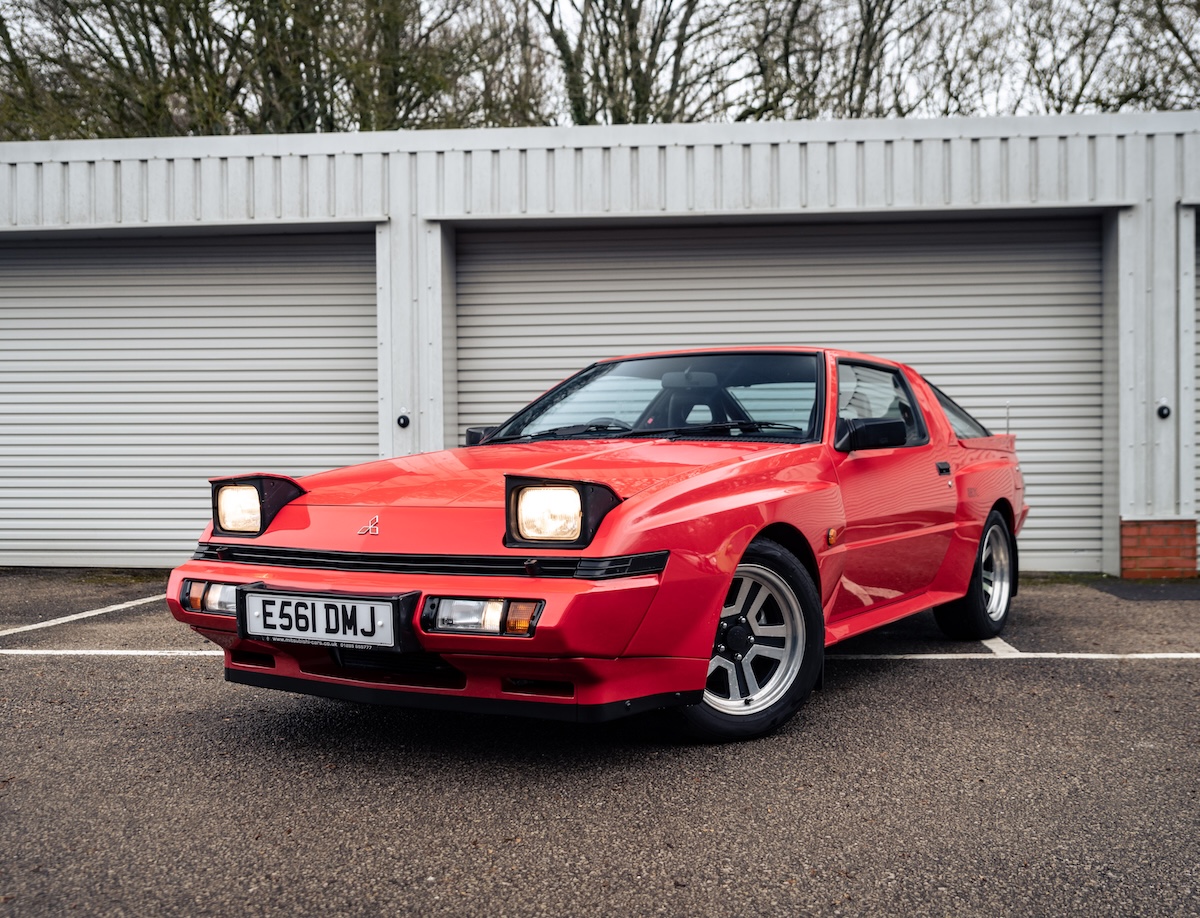
Admittedly, Mitsubishi's UK back catalogue contains a few duds (I’m thinking Carisma, Space Star, Mirage), but it also has some innovative and downright desirable entries. The Starion (pictured below) must rank as one of the coolest coupes of the 80s, while the 3000GT showed that Mitsubishi could do bonkers high-tech, high-performance cars just as well as fellow Japanese brands Honda, Mazda and Toyota.
And let’s not forget that, in some respects, Mitsubishi was ahead of the curve. For a long time, 4x4s represented a major part of its line-up, way before the whole SUV trend kicked off. The Shogun was legendary for its robustness and longevity, and some versions were a match for the Land Rovers and Land Cruisers of the time. Electric cars? Mitsubishi introduced the iMiEV in the UK at roughly the same time as the first Nissan Leaf arrived. Then there’s the Outlander PHEV – one of the first plug-in hybrids to be sold in the UK.
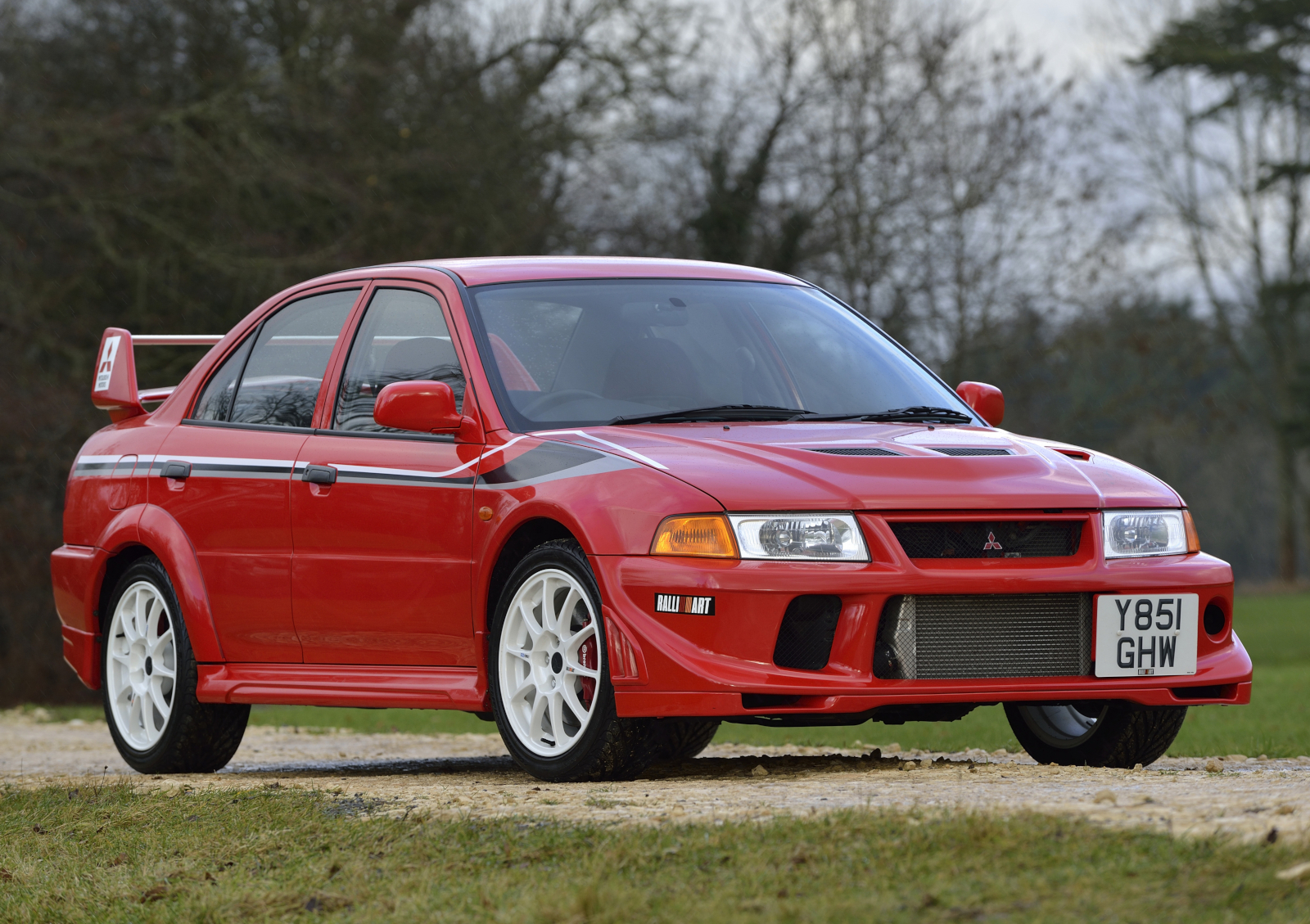
And, of course, there’s the Evo. Or Lancer Evolution, to give it its full name. Few rally-inspired road cars evoke such awe, or are so collectible these days. Even if the rest of its range became rather pedestrian as we moved into the 21st century, the Evo marked out Mitsubishi as a brand that still had a wild side.
So what can we expect from the second coming of Mitsubishi? Not an Evo, sadly. And the starting prices recently announced for the Outlander (almost £47,000) and L200 (just over £36,000) suggest that undercutting the opposition won’t be part of the strategy. The Outlander’s bold looks and genuine off-road ability might help it stand out in a crowded category, however, while the L200 has a similarly bullish presence, as well as enviable heritage in the pickup sector.
As for the Renault-based models that Mitsubishi could bring here, the starting points are some of the best models in their classes, which can only be a good thing. On the flip side, why would you go for the version wearing Mitsubishi’s three-diamond emblem instead of the one with Renault’s single-diamond badge? The warranty, comparative pricing and dealer experience/location could be key, as well as good old brand loyalty.
Can this comeback work? The market Mitsubishi has returned to is very different to the one it left, so maybe it will need to do something to stand out. Or maybe not. Mitsubishi left the UK quietly and it has returned quietly. That low-key approach is part of the brand’s charm and perhaps enough people will appreciate it for this unexpected return to stand a chance of success.
Our top 4 Mitsubishi models
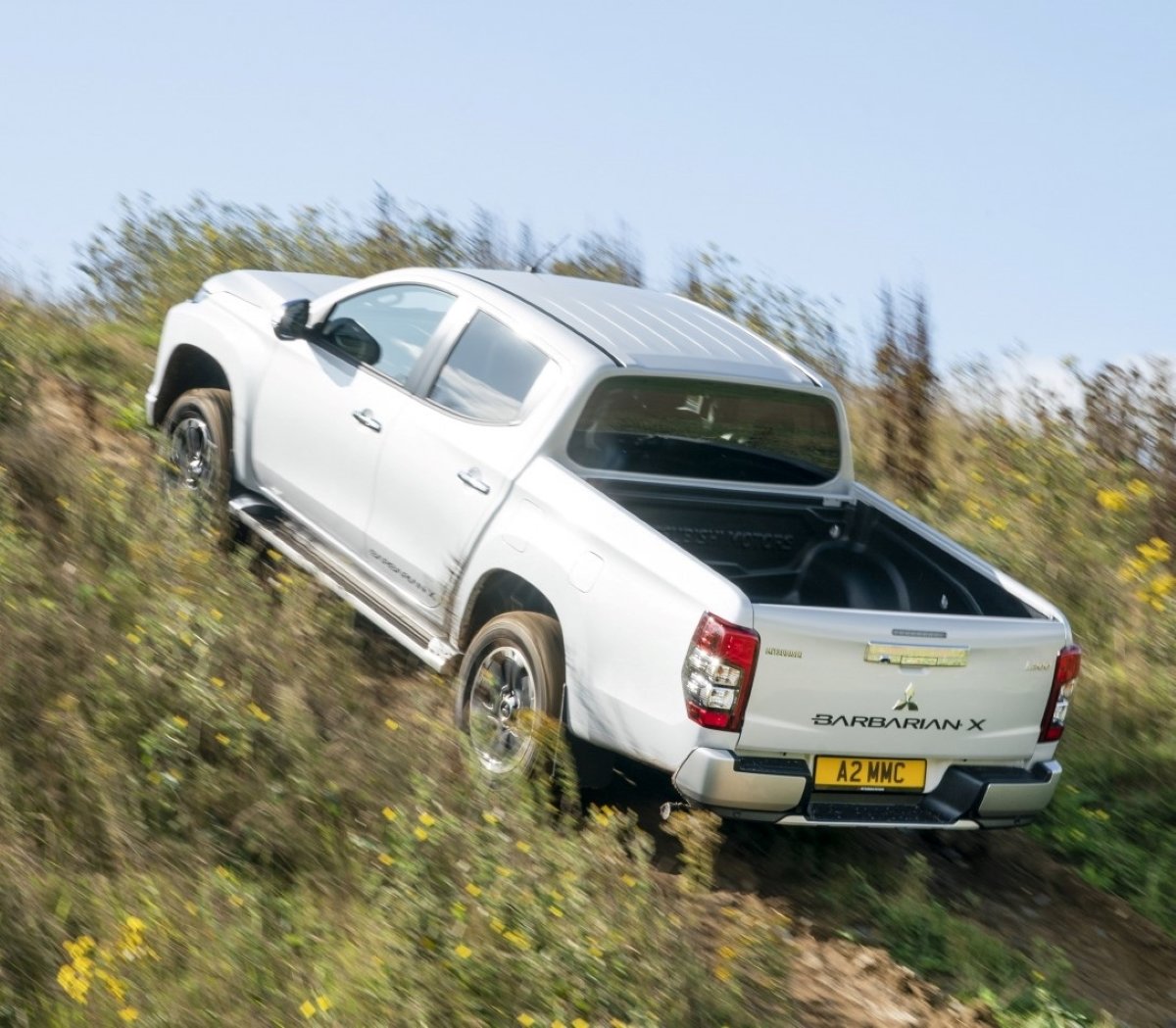
Mitsubishi L200
Believe it or not, the L200 has been around in one form or another since 1978. It wasn’t until the third-generation model arrived in 1996 that it really took off in the UK, however. The launch of the double-cab version in 1998 was a turning point, while a change in company car tax regulation in 2002 was another one. Mitsubishi’s stroke of genius was to turn the L200 into a kind of lifestyle accessory, adding features and colour options that appealed to non-commercial buyers. Rivals caught up quickly, but the L200 name still has real credibility in the sector, and that bodes well for the all-new version that’s just gone on sale here.

Mitsubishi Outlander PHEV
We’re not for one second going to claim that the Outlander PHEV was a great car, but it was quite an important one. At the time of its introduction in 2013, plug-in hybrid technology was in its infancy and didn’t look as if it would catch on. Thanks to a combination of favourable tax policies, the SUV boom and sheer lack of competition, however, the Outlander became a sales hit – a real favourite with those looking for something family-friendly yet with environmentally friendly creds.
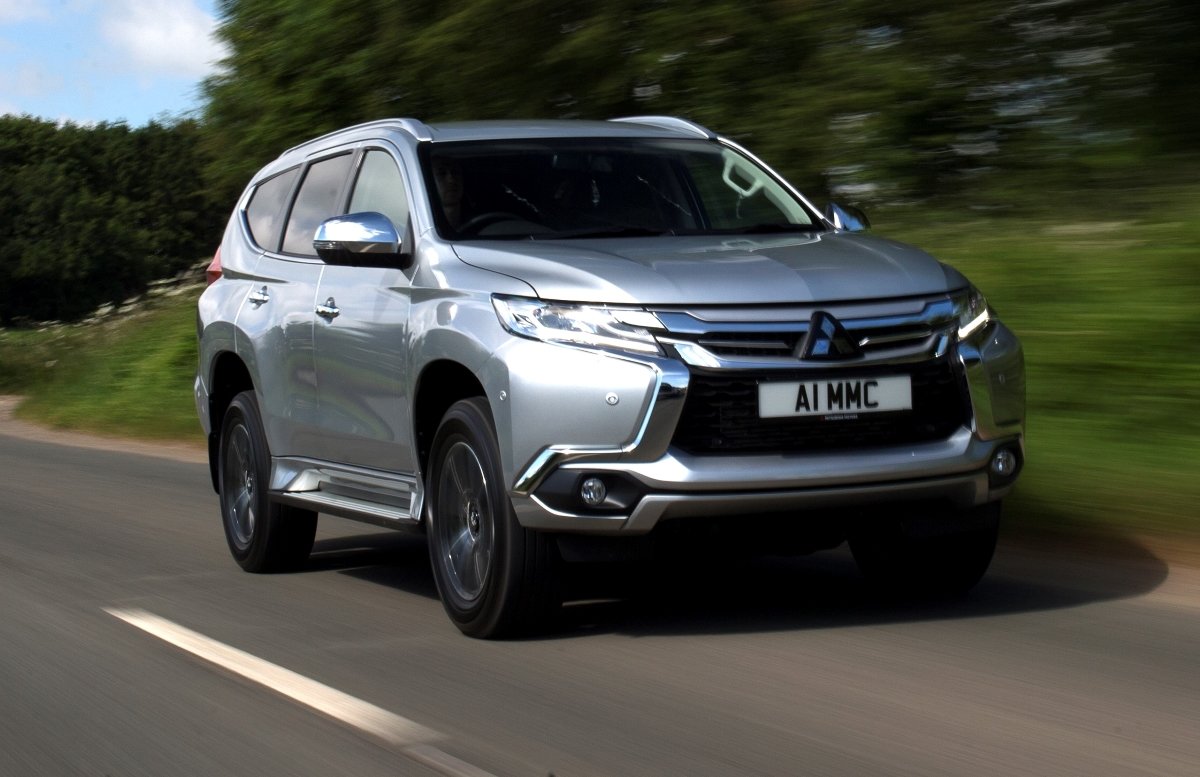
Mitsubishi Shogun
The Shogun isn’t quite up there with the Toyota Land Cruiser or Land Rover Defender/Range Rover in terms of heritage and authenticity, but it’s not too far off. Introduced in 1981, the Shogun (known as the Pajero or Montero in some markets) is an icon among modern 4x4s, blending off-road nous with butch styling and lots of mod cons. The most recent version was sold new between 2006 and 2019, and even though it was dated by then it still had plenty of fans. An all-new version is expected to go on sale in late 2026, combining a traditional ladder-frame chassis with plug-in hybrid power.
Mitsubishi Evo
Talk about a halo car. Alongside its range of sensible, low-cost cars and rugged 4x4s, Mitsubishi also sold a succession of increasingly unhinged Evo models. Based on the humble Lancer saloon (and officially known as the Lancer Evolution), these were wild, rally-bred machines with outrageous performance and even more outrageous cornering ability thanks to their sophisticated four-wheel-drive systems. Over the course of 10 generations, the Evo was honed into an extremely fast and highly collectable performance car before emissions regulations and Mitsubishi’s general malaise saw it discontinued in 2016. Rumours of a reboot have been rumbling for years, but there appears to be no replacement in sight.
Related Topics: