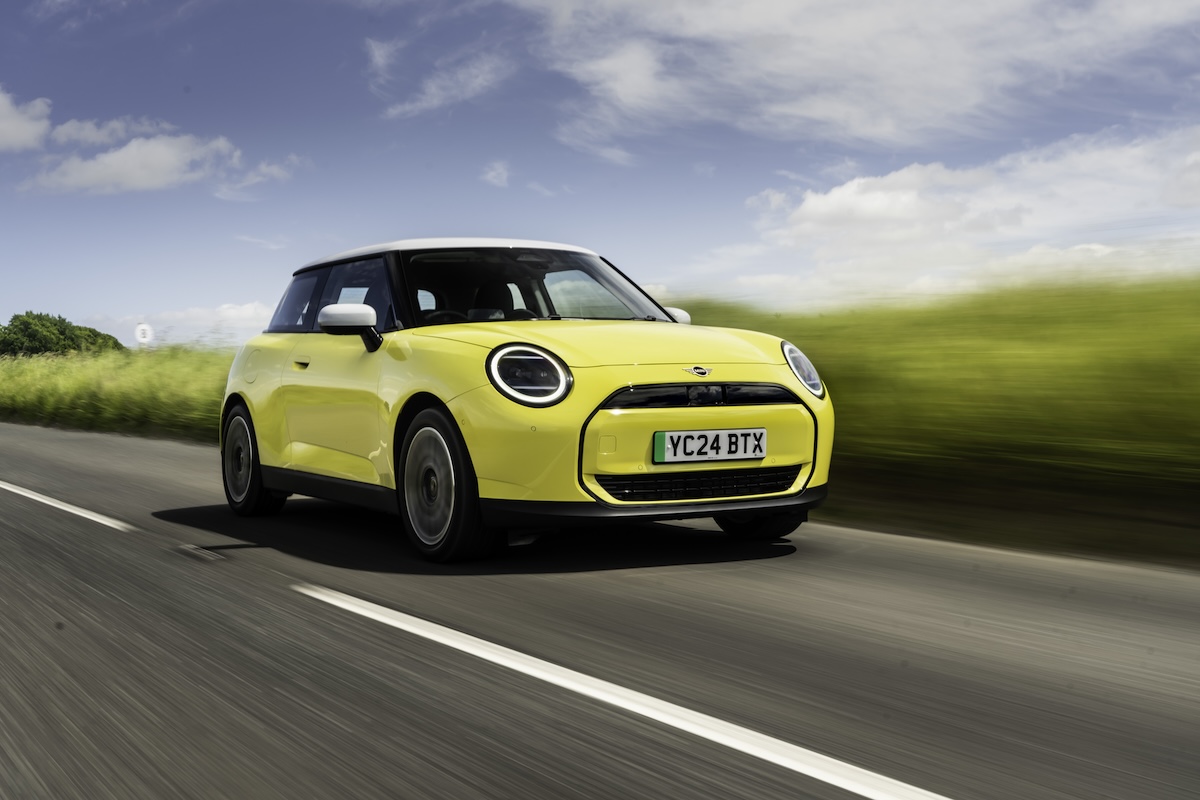
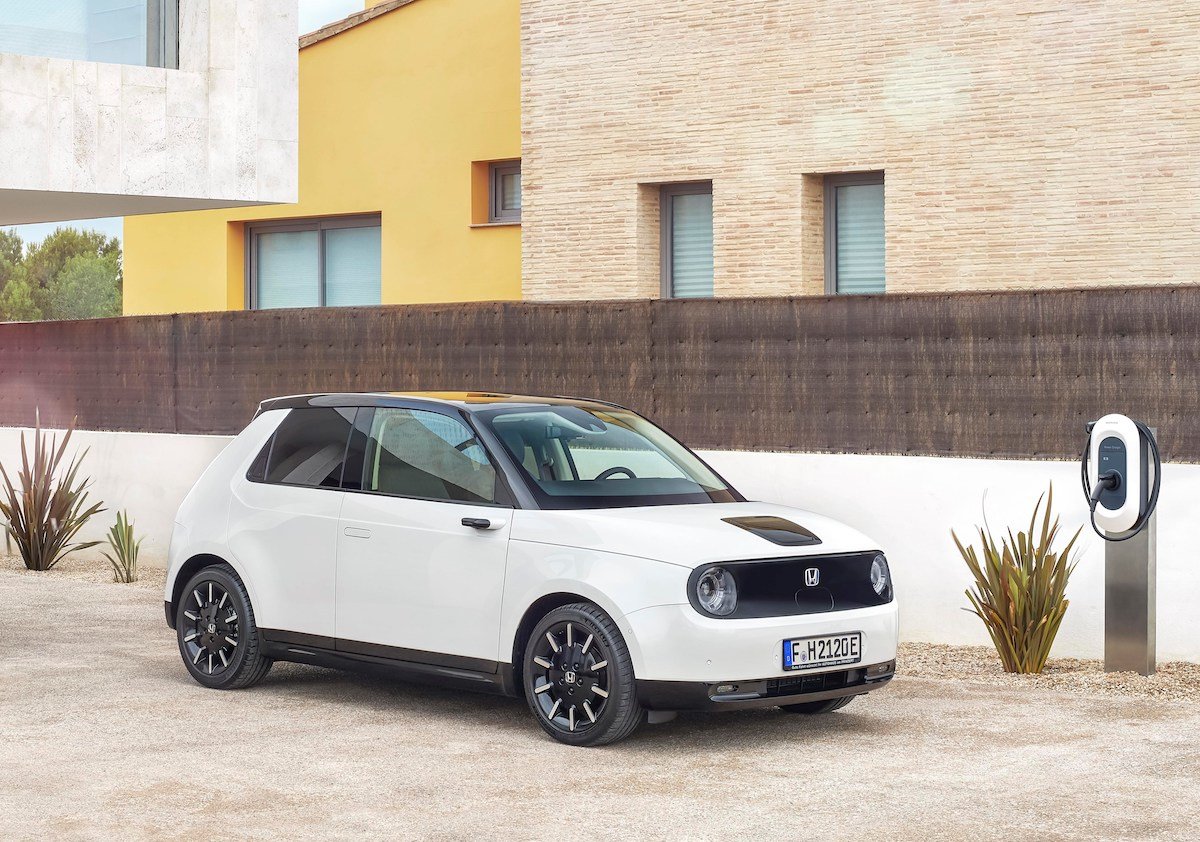
If you're looking for a small electric car with a big personality, two of the most stylish options are the MINI Cooper Electric and the Honda e. Both are designed to turn heads and be fun to drive, but they take different approaches to the premium city car formula.
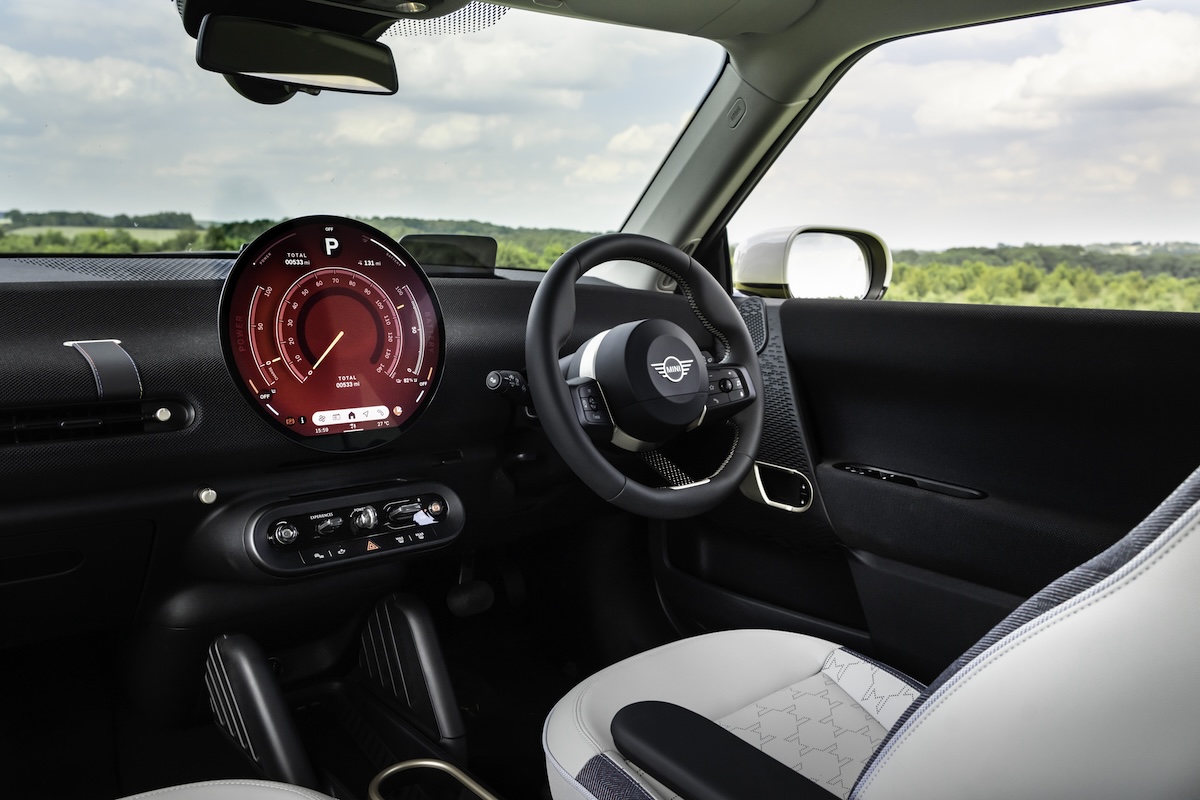
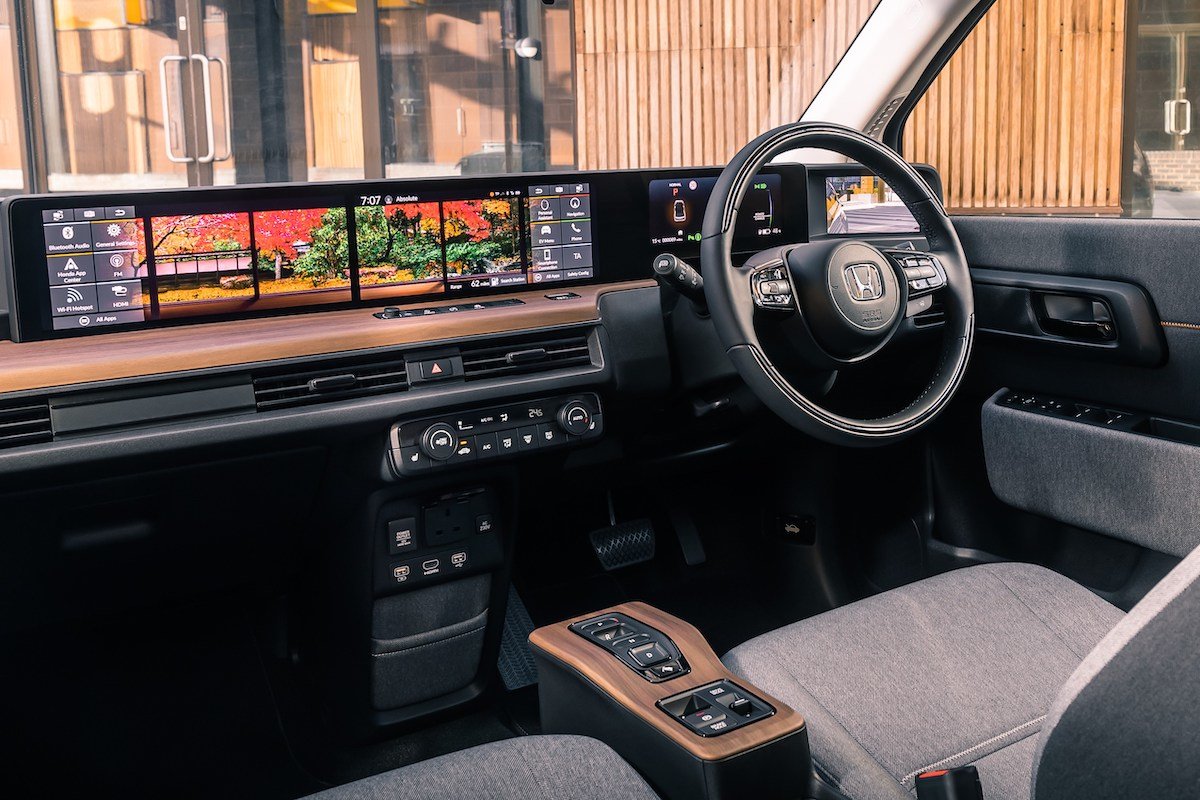
The MINI Cooper Electric builds on the brand's iconic design and "go-kart" handling, now with a much-improved battery and a futuristic circular infotainment screen. The Honda e, on the other hand, is a love letter to retro-futuristic design, packing a stunning, full-width digital dashboard into a compact, city-friendly package. Both promise zero-emission fun, but which one is the smarter choice?
MINI Cooper Electric vs Honda e
Practicality
MINI Cooper Electric practicality score: 3/5
Honda e practicality score: 2/5
Neither of these cars is designed to be a family workhorse. They are compact city cars, and their practicality is limited. The MINI Cooper Electric is a three-door hatchback, which means getting into the back seats requires some flexibility. Once there, space is tight for adults. However, its boot, at 211 litres, is just about big enough for a weekly shop or a couple of weekend bags.
The Honda e has the advantage of five doors, making it easier to access the rear seats. The problem is that once you're in, there's even less space than in the MINI. The boot is the Honda's real weak point. At just 171 litres, it's one of the smallest on the market and struggles to cope with anything more than a few shopping bags. For day-to-day usability, the MINI has the edge.
Driving Impressions
MINI Cooper Electric driving score: 4/5
Honda e driving score: 3/5
Fun is the name of the game for both cars. The MINI Cooper Electric lives up to its "go-kart" reputation with sharp steering, nimble handling, and instant acceleration that makes it a joy to zip through city traffic. The latest model is a significant step forward in terms of range, with the Cooper SE version officially capable of up to 250 miles on a charge. This transforms the MINI from a city-only toy into a car you could genuinely use for longer journeys.
The Honda e is also fun, but in a different way. Being rear-wheel drive, it has an incredibly tight turning circle that makes it unbeatable for navigating tight urban streets and car parks. It feels light and agile, and the ride is comfortable. The major drawback, however, is its battery. With an official range of around 137 miles, which can drop below 100 miles in the real world, it is strictly confined to the city limits. This severely limits its appeal compared to the more versatile MINI.
Technology and Equipment
MINI Cooper Electric technology and equipment score: 4/5
Honda e technology and equipment score: 5/5
This is where the Honda e truly shines. Stepping inside is like entering a futuristic lounge. The dashboard is dominated by a wall of screens that stretch the full width of the car, displaying everything from driving information to media. It also features digital cameras instead of traditional wing mirrors, feeding a live view to screens on either side of the dash. It's a bold and impressive setup that still feels special.
The new MINI Cooper Electric has seriously upped its game, too. The cabin is centred around a stunning, circular OLED display that acts as both the instrument cluster and infotainment hub. It's a clever blend of retro design and modern tech, running a slick new operating system with all the connectivity you'd expect. While the MINI's system is excellent, the Honda's sheer wow-factor and unique features give it the win in the tech department.
Running Costs
MINI Cooper Electric running costs score: 4/5
Honda e running costs score: 4/5
As pure electric cars, both the MINI and the Honda offer the promise of low running costs. Charging at home is significantly cheaper than filling up with petrol, and both cars are exempt from road tax and city congestion charges like the London ULEZ.
The Honda e was quite expensive when new, but its high depreciation means it can now be found for attractive prices on the used market. However, its poor range has hurt its long-term desirability. The MINI holds its value better, but its far superior range makes it a much more usable and versatile proposition, which could save you from needing a second car for longer trips. Both cars come with a standard three-year warranty from the manufacturer, so there's little to separate them here.
CarGurus Buyer Insights
|
MINI Cooper Electric |
Honda e |
| CarGurus expert rating |
4 out of 5 |
3 out of 5 |
| CarGurus user rating |
4.6 out of 5 |
3.0 out of 5 |
| Percentage of good/great deals available on CarGurus* |
32.7% |
15.0% |
| Overall CarGurus rating |
4.4 out of 5 |
3.9 out of 5 |
The Verdict
MINI Cooper Electric Overall CarGurus rating: 4.4/5
Honda e Overall CarGurus rating: 3.9/5
While the Honda e is a hugely desirable object with a stunning interior and unique design, it's a car that's hard to recommend to most people. Its severely limited range makes it a niche choice, suitable only for those who will never venture beyond the city.
For this reason, the MINI Cooper Electric is the clear winner of this comparison, backed up by its higher Overall CarGurus rating. It delivers the fun-to-drive character and iconic style that buyers expect, but the latest model adds a crucial ingredient: a usable real-world range. This transforms it from a fun second car into a viable daily driver that can handle occasional long journeys. It's more practical, just as stylish, and a much better all-rounder. The Honda e is a wonderful piece of design, but the MINI is the better car.
MINI Cooper Electric Pros and Cons
| Pros |
Cons |
| Fun "go-kart" handling |
Three-door access is awkward |
| Much-improved battery range |
Small boot |
| Stylish and high-quality interior |
Ride can be firm |
Honda e Pros and Cons
| Pros |
Cons |
| Stunning futuristic interior |
Very limited real-world range |
| Incredibly tight turning circle |
Tiny boot space |
| Unique design |
No longer sold new in the UK |
*The Overall CarGurus rating that informs these recommendations is based on CarGurus' proprietary market data from June 2026, CarGurus expert reviews, and CarGurus user reviews.
Read Our Full Reviews: