If you're in the market for a premium SUV that blends style with performance, two of the strongest options come from the same British stable: the Range Rover Velar and the Jaguar F-Pace. Both cars share a platform and engines, but they are tailored to appeal to different tastes.
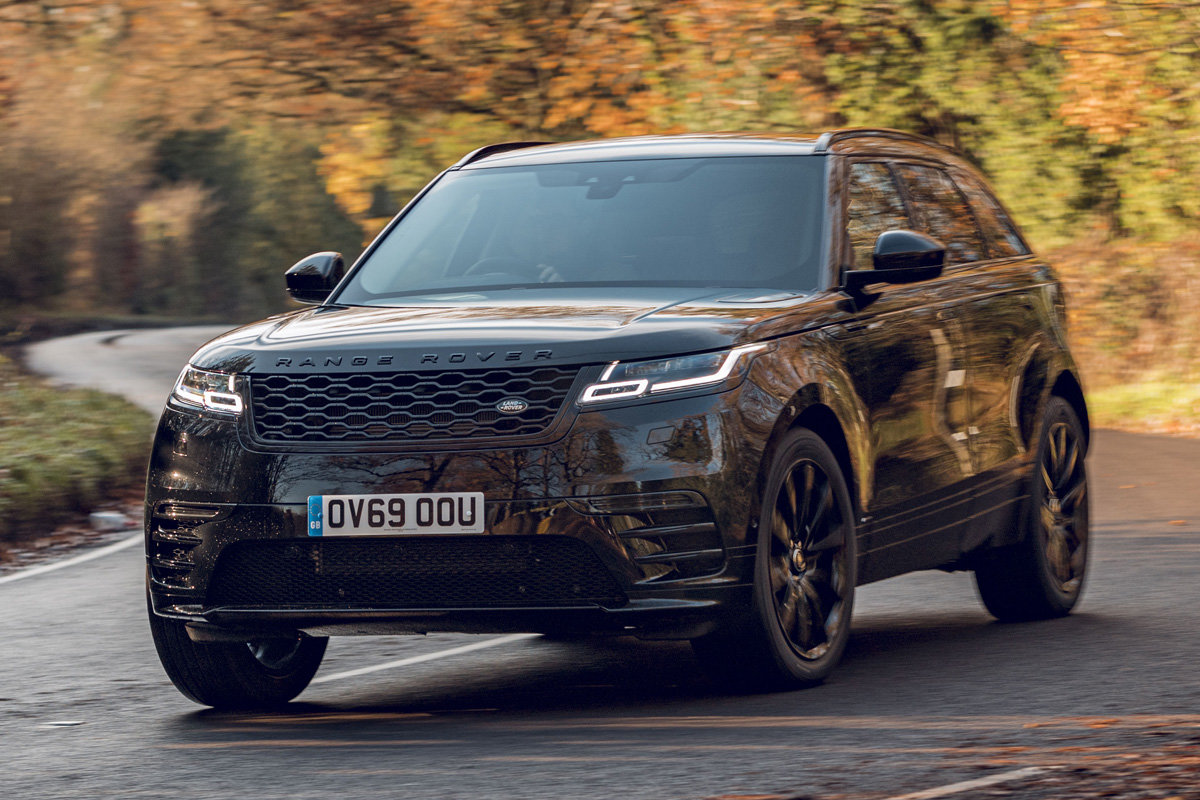
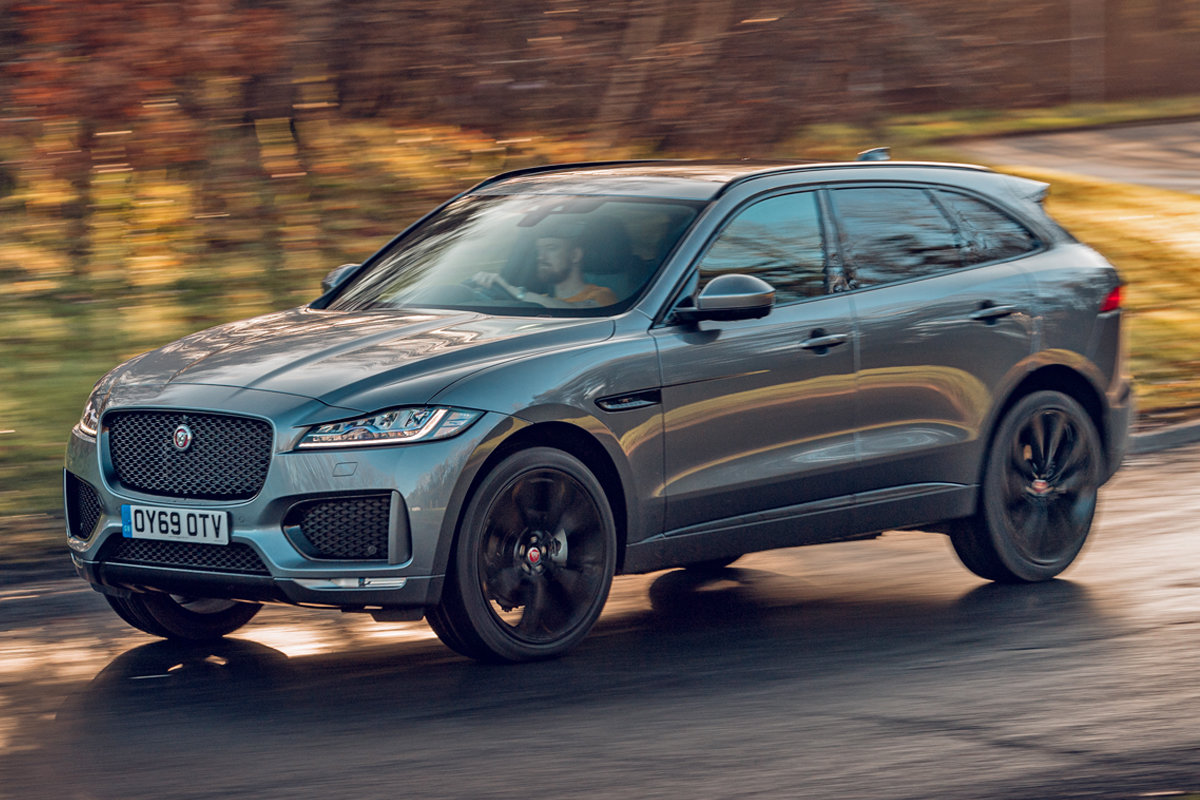
The Velar is arguably one of the most stylish SUVs on the road, with a minimalist design and a cabin that prioritises high-tech luxury. It carries the prestigious Range Rover badge, promising comfort and off-road prowess. The F-Pace, on the other hand, is Jaguar's take on a performance SUV, focusing on sharp handling and a thrilling driving experience, wrapped in a muscular, sporty body. So, which of these British cousins is the right fit for you?
Range Rover Velar vs Jaguar F-Pace
Practicality
Range Rover Velar practicality score: 3/5
Jaguar F-Pace practicality score: 4/5
While both are large SUVs, there's a clear winner when it comes to practicality. The Velar's sleek, coupe-like roofline, a key part of its design appeal, does compromise interior space. Rear headroom is tighter than in the F-Pace, and while the 558-litre boot is a decent size, it's smaller than what you'll find in its Jaguar sibling. The Velar is practical enough for many, but it prioritises form over function.
The Jaguar F-Pace is the more family-friendly of the two. It offers more generous space for rear-seat passengers and a larger, more usefully shaped boot, measuring an impressive 650 litres. This makes it a better choice for those who regularly need to carry bulky items or ferry adults in the back. If outright space and usability are high on your list, the F-Pace has a clear advantage.
Driving Impressions
Range Rover Velar driving score: 4/5
Jaguar F-Pace driving score: 4/5
This is where the two cars really show their different characters. The Range Rover Velar is all about serene progress. It's tuned for comfort, especially when fitted with the optional air suspension, which allows it to glide over road imperfections. It's a quiet and relaxing long-distance cruiser, and being a Land Rover, it has genuine off-road ability that the F-Pace can't match.
The F-Pace lives up to the Jaguar name with a driving experience that's far more engaging. The steering is sharper, the body control is tighter, and it feels more agile and responsive on a winding road. While the ride is firmer than the Velar's, it's still comfortable and well-judged for a sporty SUV. If you enjoy driving and want your SUV to handle like a smaller, sportier car, the F-Pace is the one to have.
Technology and Equipment
Range Rover Velar technology and equipment score: 4/5
Jaguar F-Pace technology and equipment score: 4/5
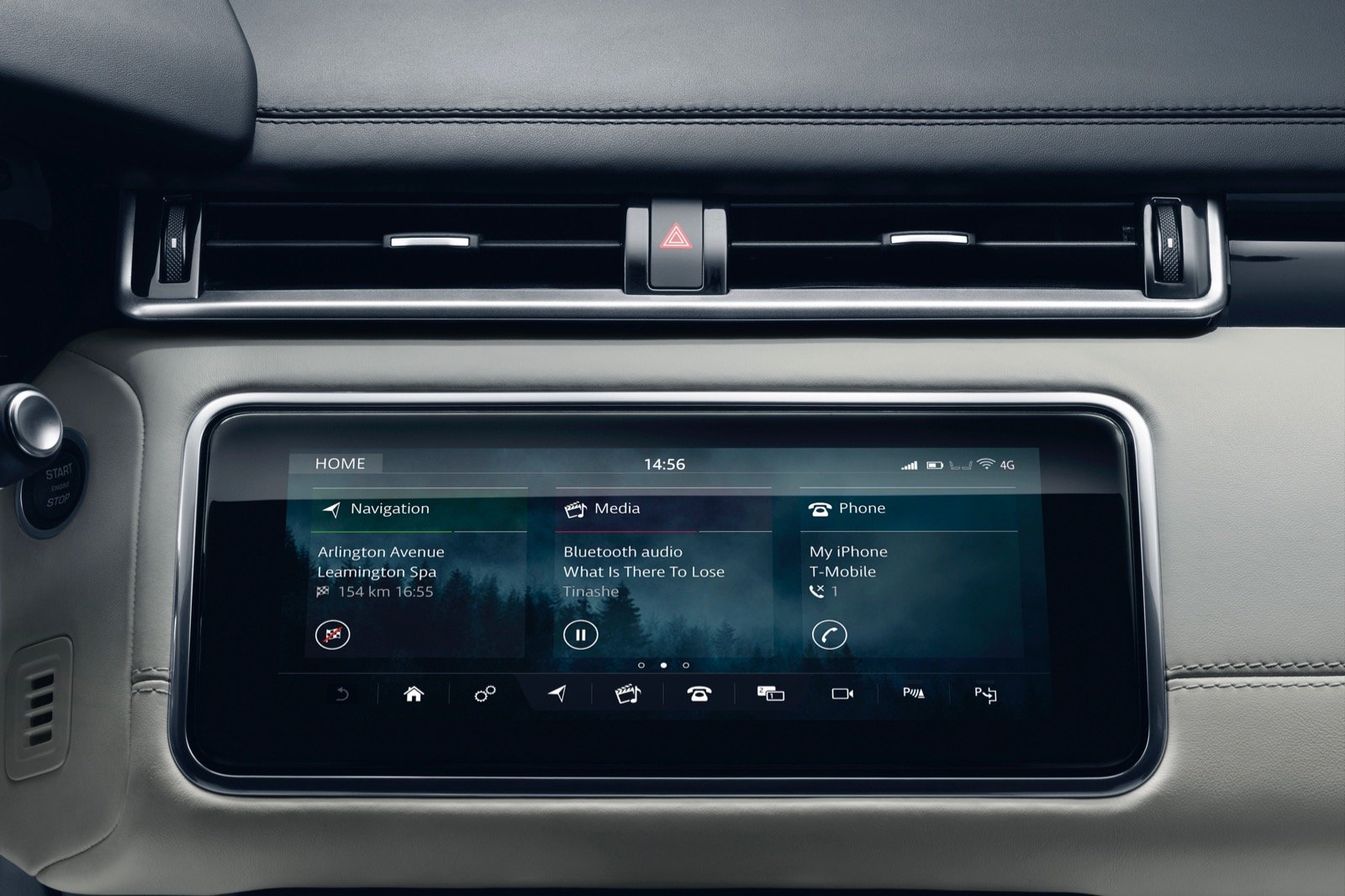
Both SUVs are packed with modern technology. The Velar made headlines at its launch with its slick Touch Pro Duo infotainment system, featuring two large central touchscreens. While visually impressive, it could be a little slow to respond. Newer models feature the much-improved Pivi Pro system, which is faster and more intuitive. The Velar's cabin is a masterclass in minimalist design, with digital displays replacing most physical buttons.
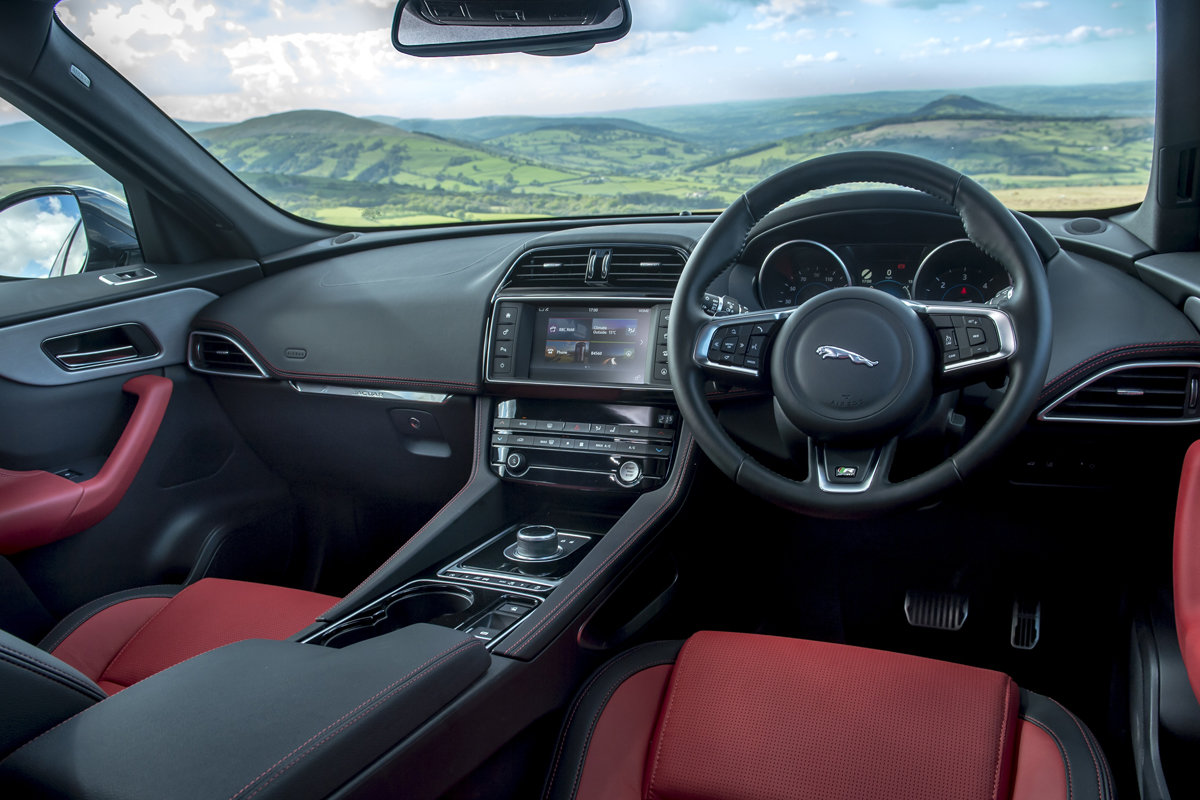
The F-Pace also benefits from the excellent Pivi Pro infotainment system on post-2021 models, which is a huge step up from the car's original system. It's presented on a single, large curved touchscreen that's clear and easy to use. Both cars come well-equipped as standard, with features like satellite navigation, a digital driver's display, and a host of driver assistance systems. In terms of tech, it's a dead heat.
Running Costs
Range Rover Velar running costs score: 3/5
Jaguar F-Pace running costs score: 3/5
As premium SUVs from prestigious brands, neither the Velar nor the F-Pace will be cheap to run. Purchase prices, insurance groups, and servicing costs are all at the higher end of the scale. Fuel economy from the petrol and diesel engines is respectable for cars of this size, but not outstanding.
For lower day-to-day running costs, the plug-in hybrid (PHEV) P400e model, available on both cars, is the one to look for. It offers a useful electric-only range, which could cover the average daily commute and significantly reduce fuel bills if you can charge it at home. However, it's worth noting that both Jaguar and Land Rover have had historically average reliability records, though this has been improving in recent years.
CarGurus Buyer Insights
|
Range Rover Velar |
Jaguar F-Pace |
| CarGurus expert rating |
3 out of 5 |
4 out of 5 |
| CarGurus user rating |
5.0 out of 5 |
4.8 out of 5 |
| Percentage of good/great deals available on CarGurus* |
35.5% |
38.1% |
| Overall CarGurus rating |
4.3 out of 5 |
4.4 out of 5 |
The Verdict
Range Rover Velar Overall CarGurus rating: 4.3/5
Jaguar F-Pace Overall CarGurus rating: 4.4/5
This is a tough choice between two desirable and closely related SUVs. The Range Rover Velar is a triumph of design, offering a comfortable ride and an interior that feels special. For buyers who prioritise style and luxury above all else, it's a strong choice.
However, in this head-to-head, the Jaguar F-Pace takes the win. According to our CarGurus Buyer Insights, it scores higher with our experts and offers a better blend of talents. It's more practical for a family, more engaging to drive, and represents a slightly better value proposition. While the Velar wins on pure kerb appeal and comfort, the F-Pace is the more accomplished all-rounder, making it our recommended choice in this comparison.
Range Rover Velar Pros and Cons
| Pros |
Cons |
| Stunning exterior and interior design |
Less practical than the F-Pace |
| Comfortable and quiet ride |
Older infotainment can be laggy |
| Genuine off-road capability |
Not as sharp to drive as its sibling |
Jaguar F-Pace Pros and Cons
| Pros |
Cons |
| Engaging and sporty driving experience |
Ride is firmer than in the Velar |
| Spacious cabin and large boot |
Interior isn't as stylish as the Velar's |
| Excellent Pivi Pro infotainment (on newer models) |
Lacks the Velar's off-road prowess |
*The Overall CarGurus rating that informs these recommendations is based on CarGurus' proprietary market data from June 2026, CarGurus expert reviews, and CarGurus user reviews.
Read Our Full Reviews: