So, the Renault Twingo is here. We’ve driven it, and it’s a delight. Simple, lightweight, and so cute that I don’t know whether I want to drive it or buy it a collar and take it for a walk.

First, shall we pause for a quick round of applause for Laurens van den Acker? Renault’s long-time design boss and his team have been a chief driving force in the brand’s rejuvenation over the last few years, with the masterful design of the Renault 5, Renault 4 and now the Twingo. I mean, just look at it! I want one of each. A Renault 5 in green, the Renault 4 in that powder blue (ideally with the fabric roof if that ever comes to the UK) and a Twingo in yellow.

It got me to wondering about the best mainstream car designs of the last decade or so. It’s all subjective, of course, but I’d put the 5, 4 and Twingo right up there. I’d also add the electric Fiat 500 and Honda e into that mix. I’m tempted to add in the Alpine A110, and possibly even the Porsche 911, which is a bit too big but to my eyes looks utterly gorgeous in any spec and colour. But if I start considering swoopy coupe sports things that I lust after, we’ll be here for a long time. And I think calling an Alpine and a Porsche ‘mainstream’ is probably stretching the truth...
In the scheme of big-selling, everyday cars, Renault is king of the modern-retro revolution. The French firm is properly nailing it.
It’s all in the details, too. It’s in the graphics that the company has invented - a whole alphabet inspired by recognisable modern era icons like Google and Playstation. The carpet design that looks so retro it’s like stepping on the ‘90s: I instantly considered buying a shell suit to match.
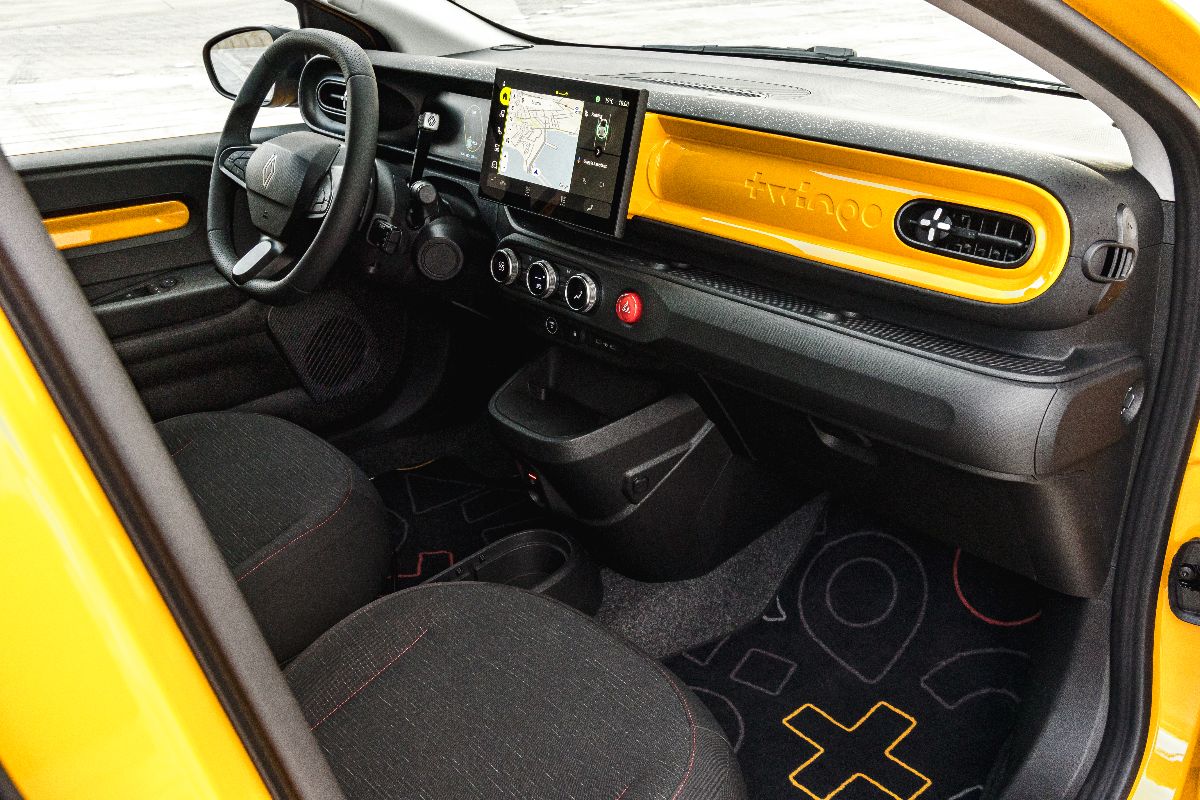
There’s even a big, red hazard light button that’s reminiscent of the original Twingo. And practical, right?! I’ve been noticing that hazard light buttons are often quite hidden, which isn’t what you want when you find yourself breaking down quite suddenly and are trying to signal to others that all is not well.
And the Twingo is just as brilliant as its siblings in terms of the sweetness of its drive. I adore the fact that it’s simple. This little EV only weighs 1,200kg, and it’s got (mostly) the same chassis as the Renault 5, so it swings gamely through corners, feeling natural and fun and uncomplicated and just… a joy.
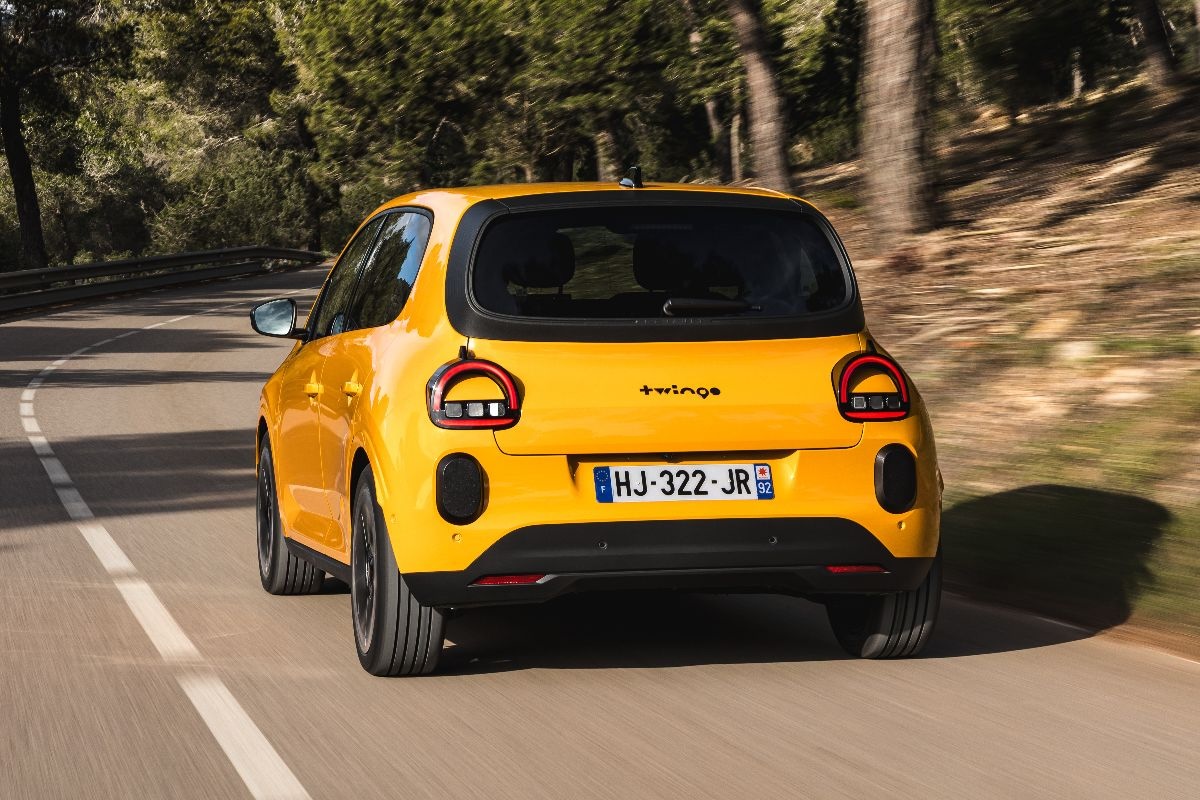
There are no drive modes, which I love. It’s just set up to drive nicely on its passive, mechanical suspension. No super brains and dampers that can read the road ahead. Just a light, fun, well set-up car. Joy of joys. Even the driver assistance systems can be tailored to your preference with the double-press of a physical button, in the fashion of all Renaults.
Add to that the sliding rear seats, and honestly, I got out of the Twingo wondering what on earth all the other manufacturers are doing right now? I mean, Hyundai’s Inster has something of the Renault’s lightweight genius, surprising practicality and design wonder – and has a longer range - but it’s much more expensive. I do really like the Citroen e-C3 for its uncomplicated nature and airy cabin, and the Fiat Grande Panda is really rather excellent (I’m particularly taken with its interior), but none of them have quite the Renault Twingo or Renault 5’s wow-factor. And let’s not get onto Ford and what on earth is going on there.

Renault’s magic is that it’s built ‘want one’ factor into its everyday cars with world class design and back-to-basics dynamic ability. It’s got a lot of competition, but it’s made cars that have a real emotional impact on somebody that’s stood there considering paying £300 per month for their next car. They’re sensible, but they’re also cars that you really, really want in your life because they make you happy.
I suppose that this struck me as significant because, in a finance-driven world where new cars feel more disposable than ever and many buyers seem less bothered about brand image, it’s good to know that everyday cars can still have real emotional value that will translate into big sales.
I was beginning to fear that the days of a car being popular because it’s just very cool were over. But no. Renault’s proven that even in the affordable city car category, making a car that you just want, is still important. And that, I believe, is good news for the buyer and for the car industry.


