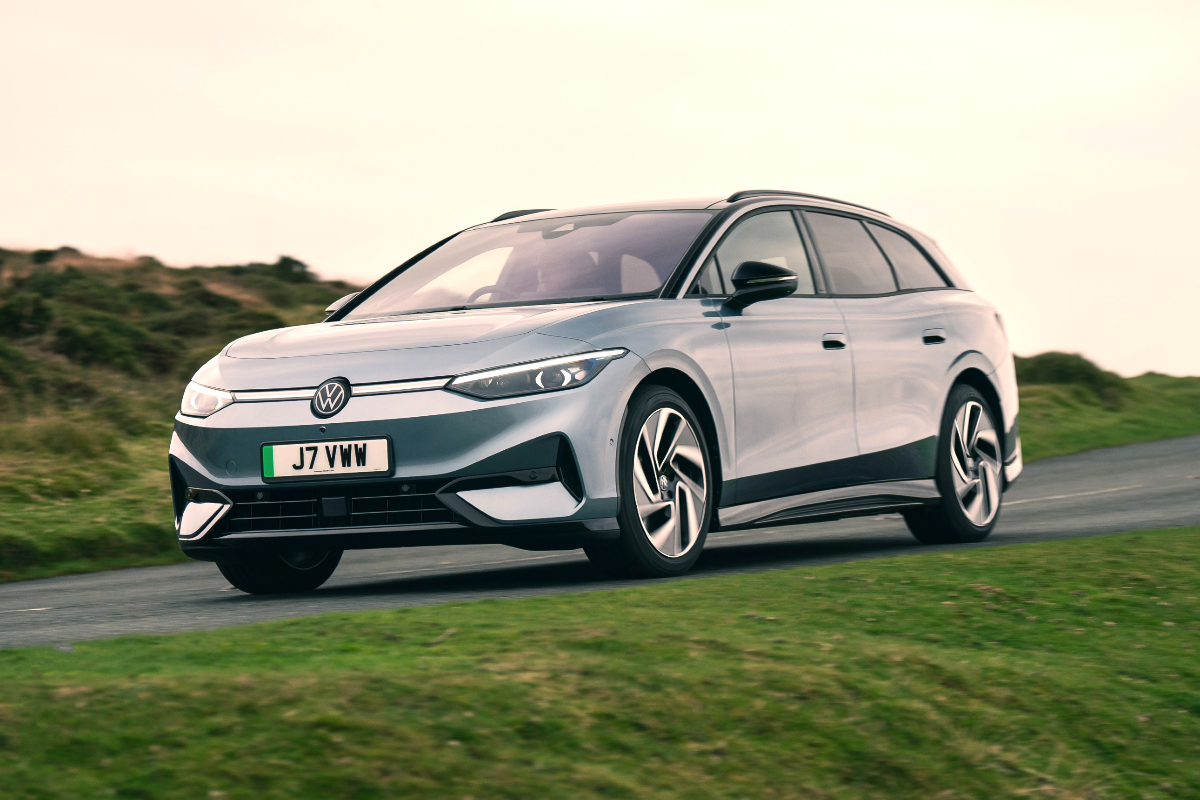
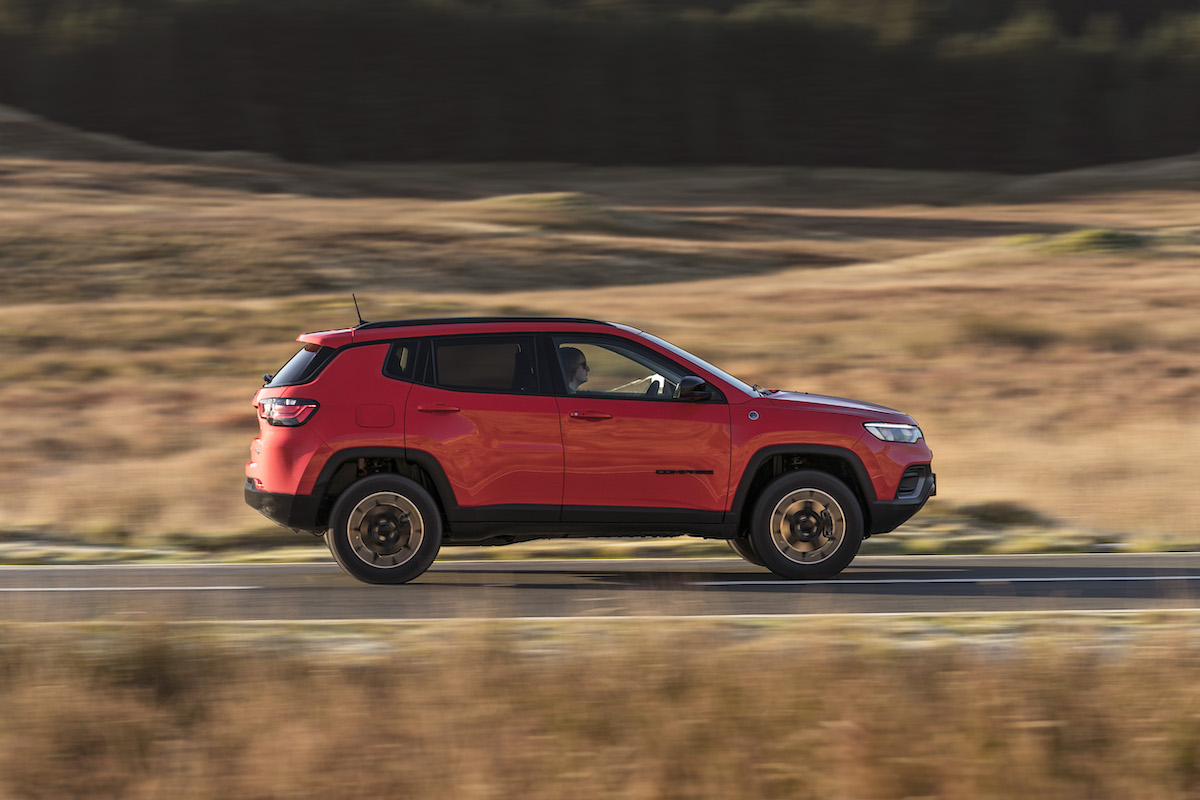
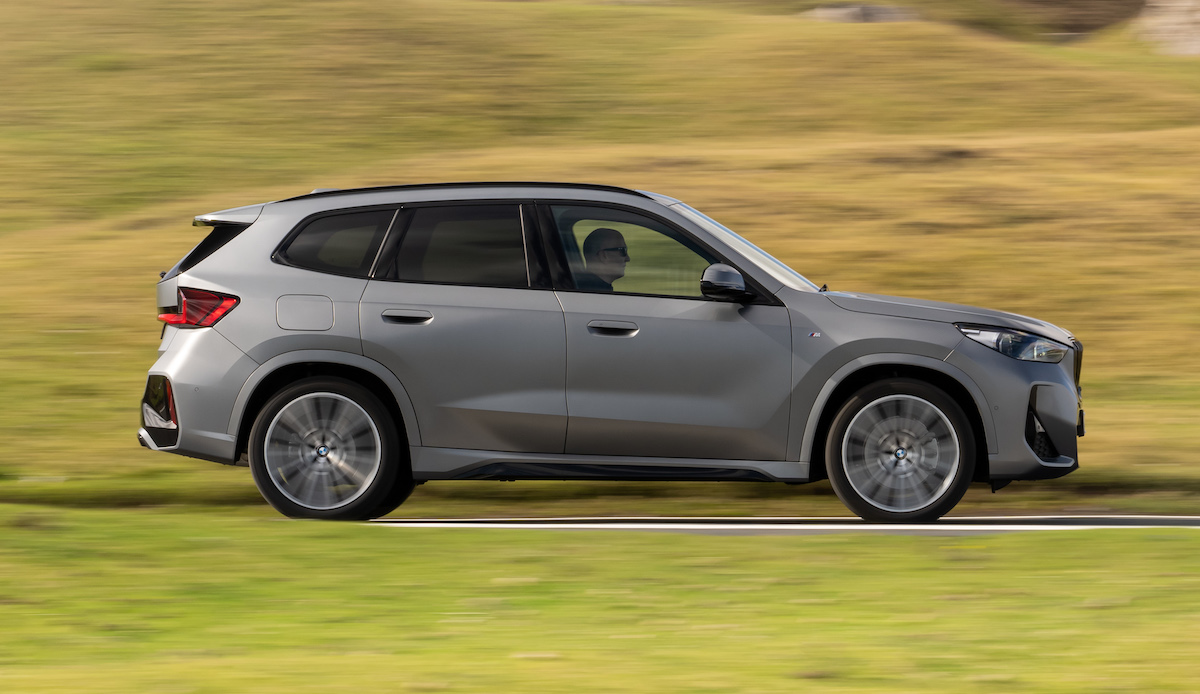
Cars, like most things we buy, have a lifespan or ‘product cycle’. They get launched, sold for a number of years and then replaced with a new version when they become outdated. Each successive version is usually referred to as a ‘model generation’, or the Mk1, Mk2 and so on. Traditionally, that lifespan has been six or seven years for mainstream models, with a mid-life update (or ‘facelift’) halfway through that. But that cycle seems to be getting longer. A lot longer.
The current BMW X5 and Range Rover Evoque went on sale in 2018, for example, while the Kia Picanto and Volkswagen Polo arrived in 2017. The Audi Q2 and Seat Ateca have been around since 2016, but the prize for longevity goes to the Audi Q7, Volkswagen Touran and Volvo XC90, which were all introduced in 2015. Yep, that’s more than a decade of service. All of these cars have been updated over the years, but if you order a brand-new one today you’ll be getting fundamentally the same product as the first one off the factory floor.
So what’s going on? Are we buying cars that are past their sell-by date or should we be thankful that they have proven tech and have been finely honed over time?
Why Car Model Generations are Lasting Longer

Protecting the bottom line
Unsurprisingly, these longer lifecycles are mostly about the bottom line. A perfect storm of issues have pushed many brands to the limits of profitability in recent years, with inflation, supply shortages and increasingly tight safety and environmental regulations all playing their part.
Most of all, though, established brands have been forced – either by market demand or political pressure – to pour a huge percentage of their resources into developing electric cars. In most cases this has meant creating new models from scratch, bringing a far higher cost than simply adapting existing platforms and models. And, more recently, European and Japanese car brands have faced fierce competition from Chinese cars that undercut them significantly on price.
In short, profits are being squeezed and the case for pouring money into developing all-new petrol or hybrid models doesn’t stack up. Extending the life of models that have already paid for their development costs makes a lot more financial sense.
As part of this sea-change, it’s becoming increasingly common that new models perhaps aren’t as new as you might think. The latest BMW 1 Series, for example, was introduced in 2024 as an all-new model, yet it shares its basic structure, doors, windows and roof with the version that was launched in 2019. It’s a similar story with the petrol-powered MINI Hatch. It arrived in 2024 with new front and rear styling, a fresh interior and a new name (MINI Cooper), yet its underlying architecture and remaining bodywork were carried over from the version that went on sale in 2014. In years gone by, the extent of the changes would in each case arguably be referred to as a facelift.
Advantages of longer lifecycles
Should we, as customers, welcome this type of automotive recycling? There’s certainly an argument that it’s a more environmentally friendly approach, minimising the inevitable extra resources used to create an all-new model from the ground up. Also – in theory at least – the longer a product is produced, the more chances there are to iron out any initial problems and fix any bugs. Look at long-term car reliability trends and it’s often the case that the first couple of years of a new car model are the most troublesome. And it’s worth bearing in mind that because today’s cars are more reliant on software than older models they can be more easily – and usefully – updated.
If you’re buying used rather than new, there’s another upside to these long-lived models in that it’s possible to buy a car that has essentially the same design and functionality as a brand-new one for a fraction of the price. A brand-new Seat Ateca will set you back at least £29,000, for example, but used versions with the same engine and tech, and almost identical looks, are available for less than a third of that.
| Advantages of longer lifecycles |
| Environmental benefits – Longer production runs minimise the extra resources and energy required to design and manufacture completely new models from scratch. |
| Improved reliability over time – Extended lifecycles give manufacturers more opportunities to identify and fix initial bugs and problems. |
| Better used car value – Buyers can purchase nearly identical cars to brand-new models (same design, engine, and technology) for a fraction of the cost. |
Disadvantages of longer lifecycles
On the downside, although most long-running models get upgraded numerous times they sometimes can’t match the latest models in areas such as safety tech or connectivity features. Older models are also less likely to offer hybrid or electric power, simply because they were never designed for it from the outset. And no matter how skillful any mid-life cosmetic surgery might be, some long-lived models simply end up looking a bit… old.
| Disadvantages of longer lifecycles |
| Outdated safety and technology – Despite mid-life updates, long-running models often can't match the latest safety features and connectivity options available in newer designs. |
| Limited electrification options – Older platform designs might not have been engineered to accommodate hybrid or electric powertrains, limiting eco-friendly choices. |
| Dated appearance – No matter how well executed the cosmetic updates are, long-lived models eventually look visibly older compared to contemporary designs. |
What could the future hold?
So is this shift a fad, or has there been a permanent adjustment to how long we expect a car model to last? In the immediate future, it seems as though we should get used to cars with a longer shelf life as the transition to electric power continues. Updated versions of two popular crossovers – the Kia Stonic and Seat Arona – have just gone on sale, fresh from second facelifts that will take them into their tenth year of production in 2027.
Porsche has also confirmed that the existing petrol/hybrid-powered Cayenne (on sale since 2018) will be updated and kept on sale ‘well into the next decade’ alongside the all-new Cayenne Electric. So, unless you go for an EV, it may well be that the new car you’ve set your heart on isn’t actually that new. But in this age of "Reduce, Reuse, Recycle" maybe that’s not a bad thing after all.
Our top three long-running models
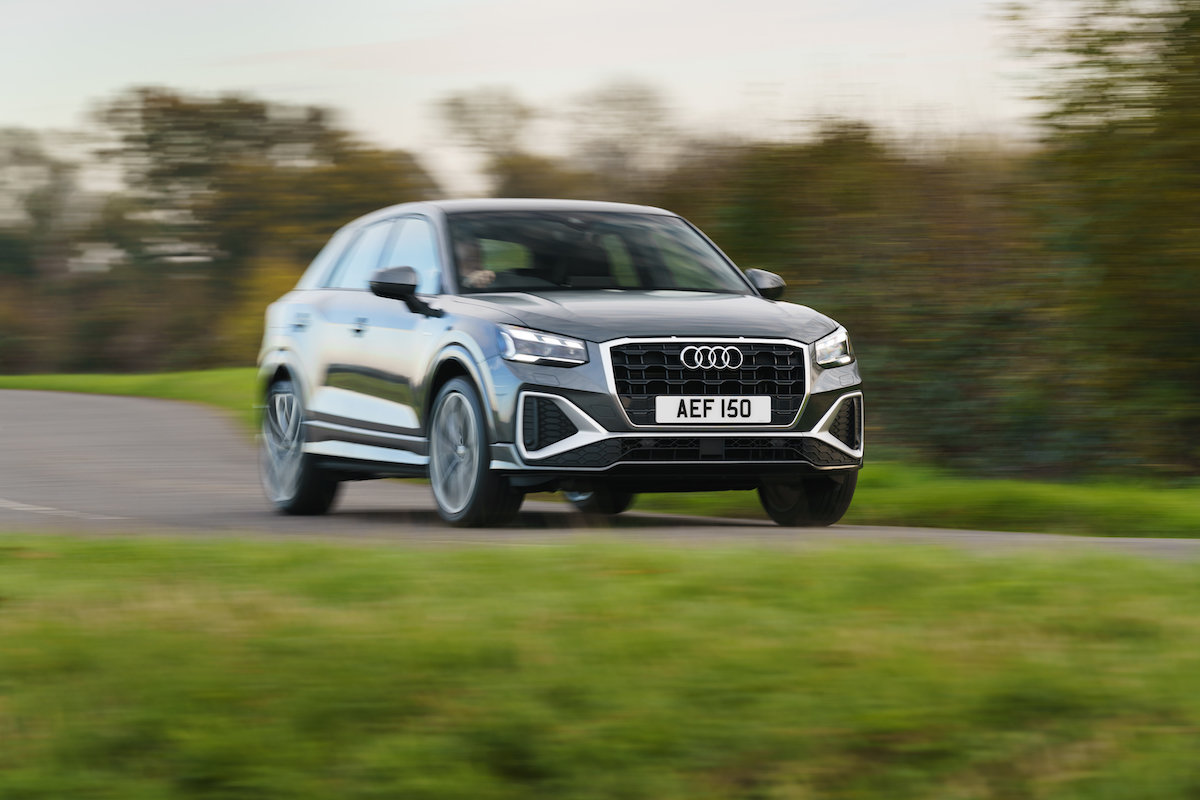 Audi Q2
It says a lot about the Audi Q2 that the version you can order brand-new today looks all but identical to the one that went on sale in 2016. Its sharp edges, angular bodywork creases and bold colour options have aged remarkably well. The interior feels very much like an Audi of an earlier era but in this case that’s fine because it’s wonderfully easy to use and the quality is top-notch.
 BMW X5
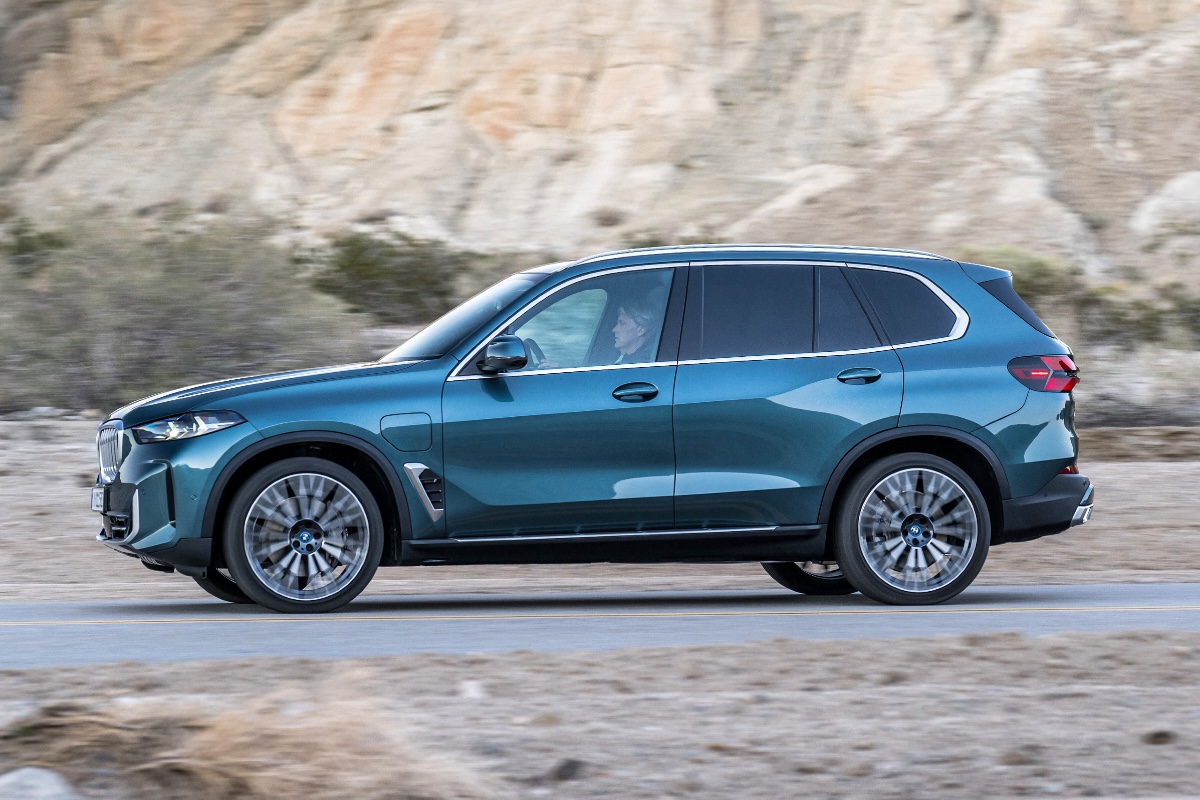
The fourth-generation BMW X5 has been around since 2018 but some clever tweaks have kept it looking and feeling current. A major update in 2023 sharpened the looks and introduced ‘BMW Curved Display’, an infotainment system that still looks bang up to date. All versions are powerful and good to drive and the latest plug-in hybrid version has a mightily impressive (for a big SUV) all-electric range of 64 miles.
 Kia Picanto
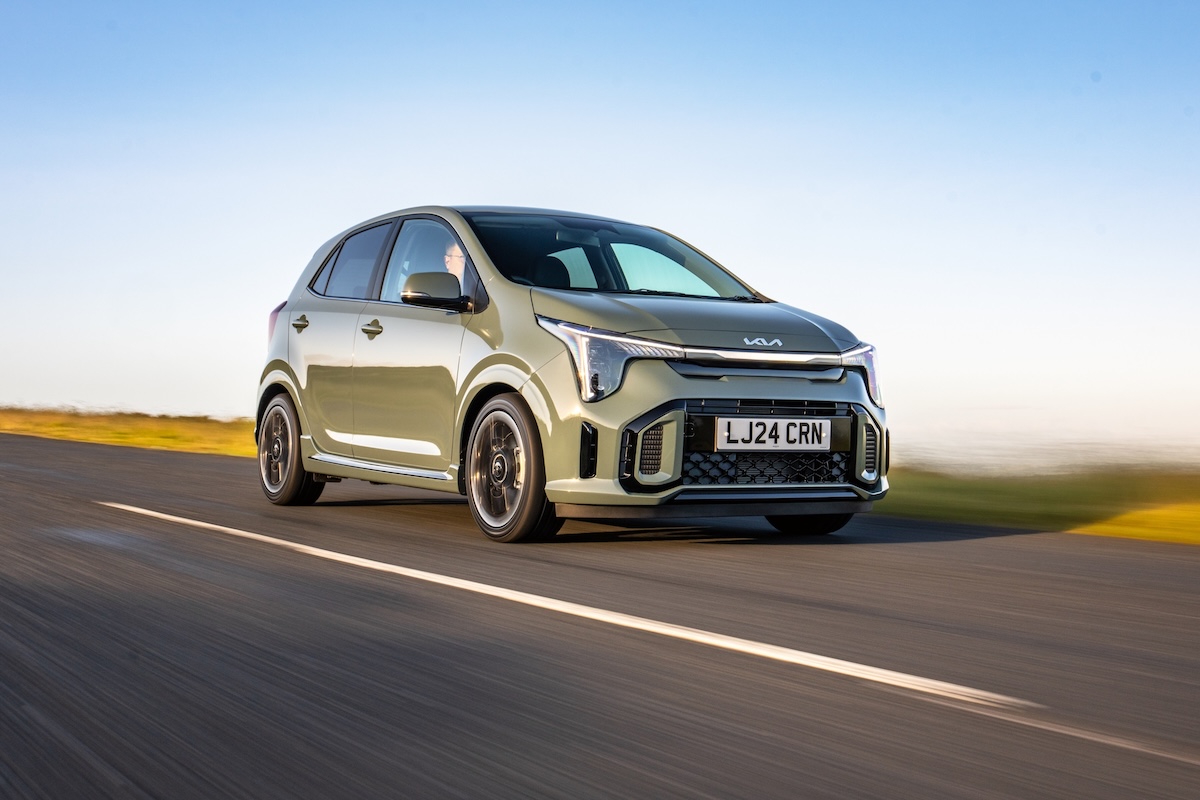
A good facelift can give a long-running car a new lease of life and that’s certainly the case with the Kia Picanto. Introduced in 2017 and mildly updated in 2020, it got a bold new look in 2023 that successfully translated Kia’s latest design language to an existing model. Looks apart, it’s always been one of the best city cars, offering a level of sophistication – and equipment – that you don’t expect of something so affordable.